Caring for Alpine sea holly
Complete guide — Eryngium alpinum
alpine sea holly needs low maintenance, a position in full sun or partial shade on loam / sandy soil / chalky soil and moderate.
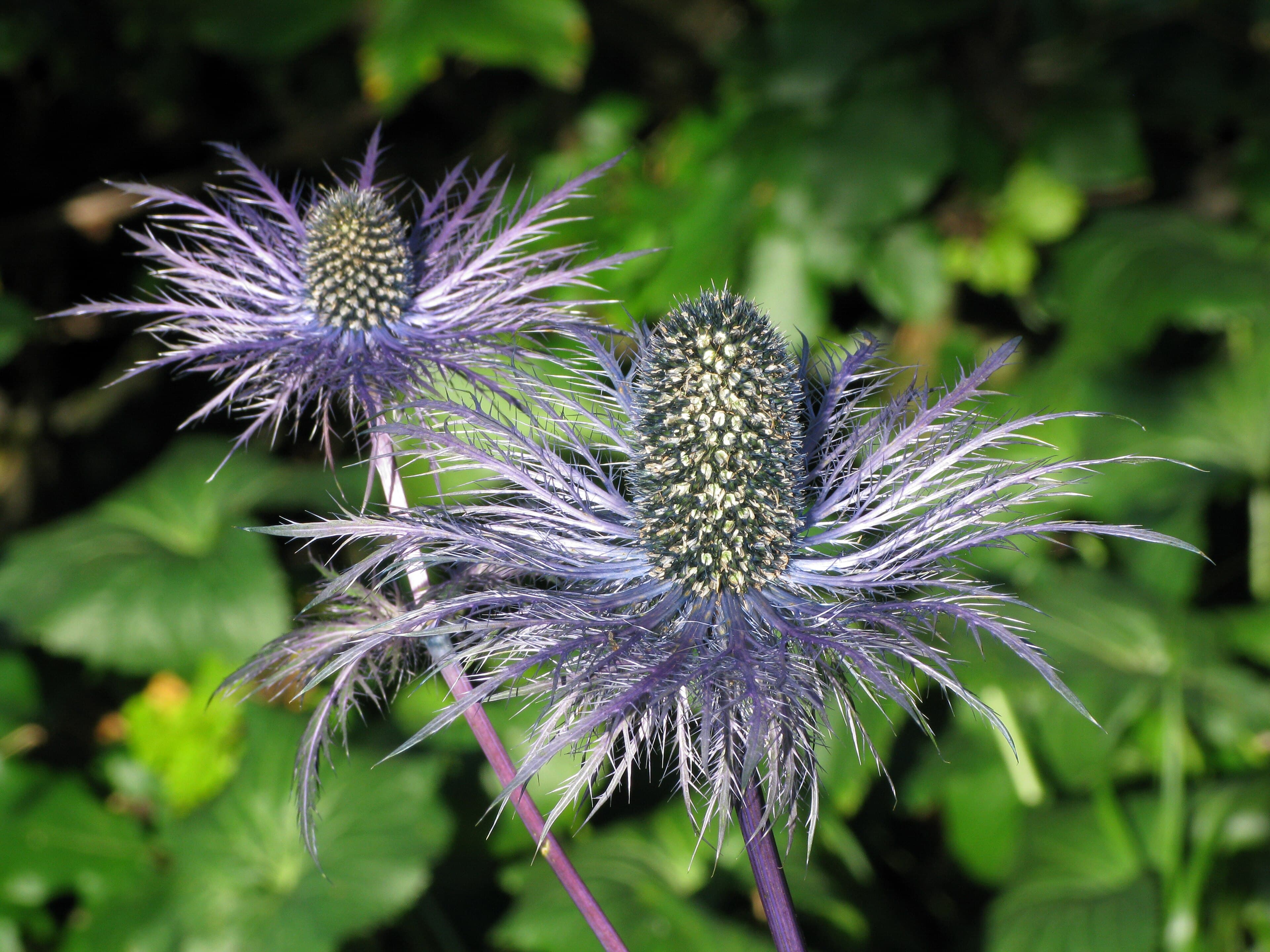
Position
full sun, partial shade
loam, sandy soil, chalky soil
moderate
Feeding
Feed in April and May.
Year-round care
Eryngium alpinum is genuinely low-maintenance once established. Water regularly during the first season to help roots settle, but thereafter this perennial is moderately drought-tolerant. In average summers, established plants need watering only during prolonged dry spells. Avoid overhead watering, which can encourage mildew; water at the base instead. In wet autumns and winters, good drainage is more important than irrigation—waterlogged soil can rot the crown. Feed lightly in April or May with a general-purpose granular fertiliser (such as blood, fish and bone) scattered around the base at the manufacturer's recommended rate. Eryngium alpinum grows naturally in lean alpine soils, so over-feeding produces lush foliage at the expense of flowers and can make plants floppy. A single spring feed is sufficient; avoid high-nitrogen fertilisers that promote soft growth. This perennial is fully hardy in zones 4–8 and needs no winter protection in temperate Europe. The crown is dormant and frost-resistant. Mulching is generally unnecessary, but if you garden on heavy soil, a gravel mulch year-round improves drainage and prevents crown rot. Pests are rarely a problem. Slugs and snails may nibble emerging shoots in spring; inspect regularly and remove by hand or use organic pellets if damage is severe. Eryngium alpinum is largely disease-free, though powdery mildew can appear on foliage in very dry conditions or overcrowded plantings—ensure adequate spacing and water during droughts. Root rot is the main risk in poorly drained soil, so prevention through site selection is key. Divide clumps only if absolutely necessary, as Eryngium resents root disturbance.


