Harvesting Apricot
When and how — Prunus armeniaca
Harvest apricot in July and August — the main harvest usually falls in August.
The next harvest is July next year.
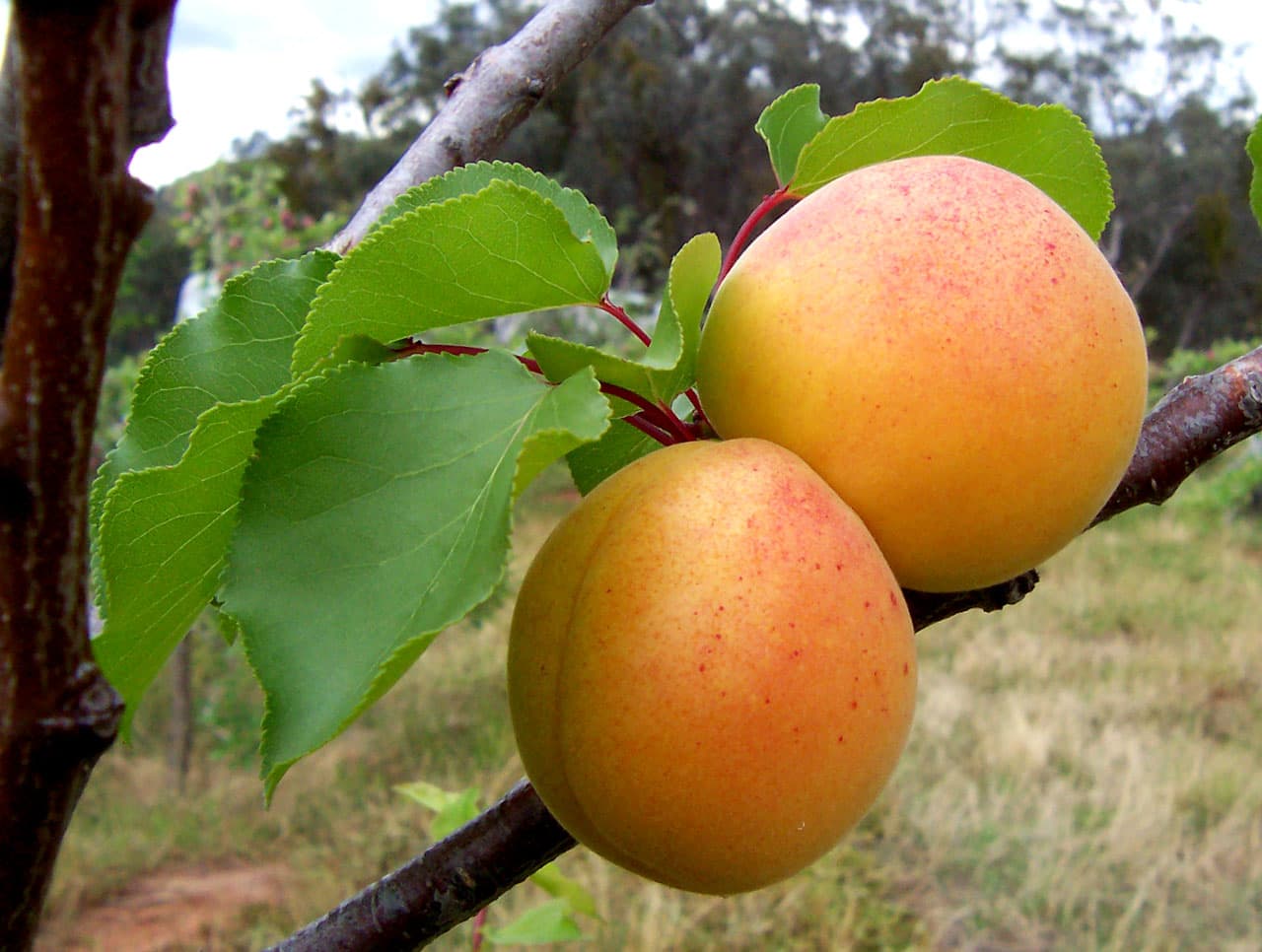
How to harvest apricot
Apricots have moderate water needs but require consistent moisture during fruit development from late spring through July and August. Water deeply once a week during dry spells, giving 15–20 litres per tree, and increase frequency if the weather is hot. Reduce watering after harvest to help the tree harden off before winter. Avoid overhead watering, which encourages fungal diseases; use a soaker hose or water at the base. Feed in March with a balanced general-purpose fertiliser (such as Growmore) scattered around the root zone at roughly 100 g per square metre, then lightly fork it in. In June, apply a high-potash feed (tomato fertiliser works well) to support fruit ripening and next year's bud development. Refresh the mulch layer each spring with well-rotted manure or compost, keeping it clear of the trunk. Apricots are hardy to zone 5 but their early blossom is vulnerable to frost. Drape horticultural fleece over the canopy on cold nights in March and early April if frost is forecast, removing it during the day to allow pollinating insects access. Hand-pollination with a soft brush can improve fruit set in cool springs when few insects are active. Common problems include aphids on new growth in spring—spray with an insecticidal soap if necessary—and brown rot, which causes fruit to rot and mummify on the branch. Remove and destroy infected fruit immediately. Bacterial canker causes oozing lesions on branches; prune out affected wood in summer and improve drainage and air circulation to reduce risk. Apricots are high-maintenance and demand vigilance, but the reward is exceptional homegrown fruit.


