Aubergine in June: monthly care
Month-by-month care — Solanum melongena
In June your aubergine needs attention: plant / sow, fertilise and watch the bloom.
- Plant / sow
- Fertilise
- Blooms
What to do this June
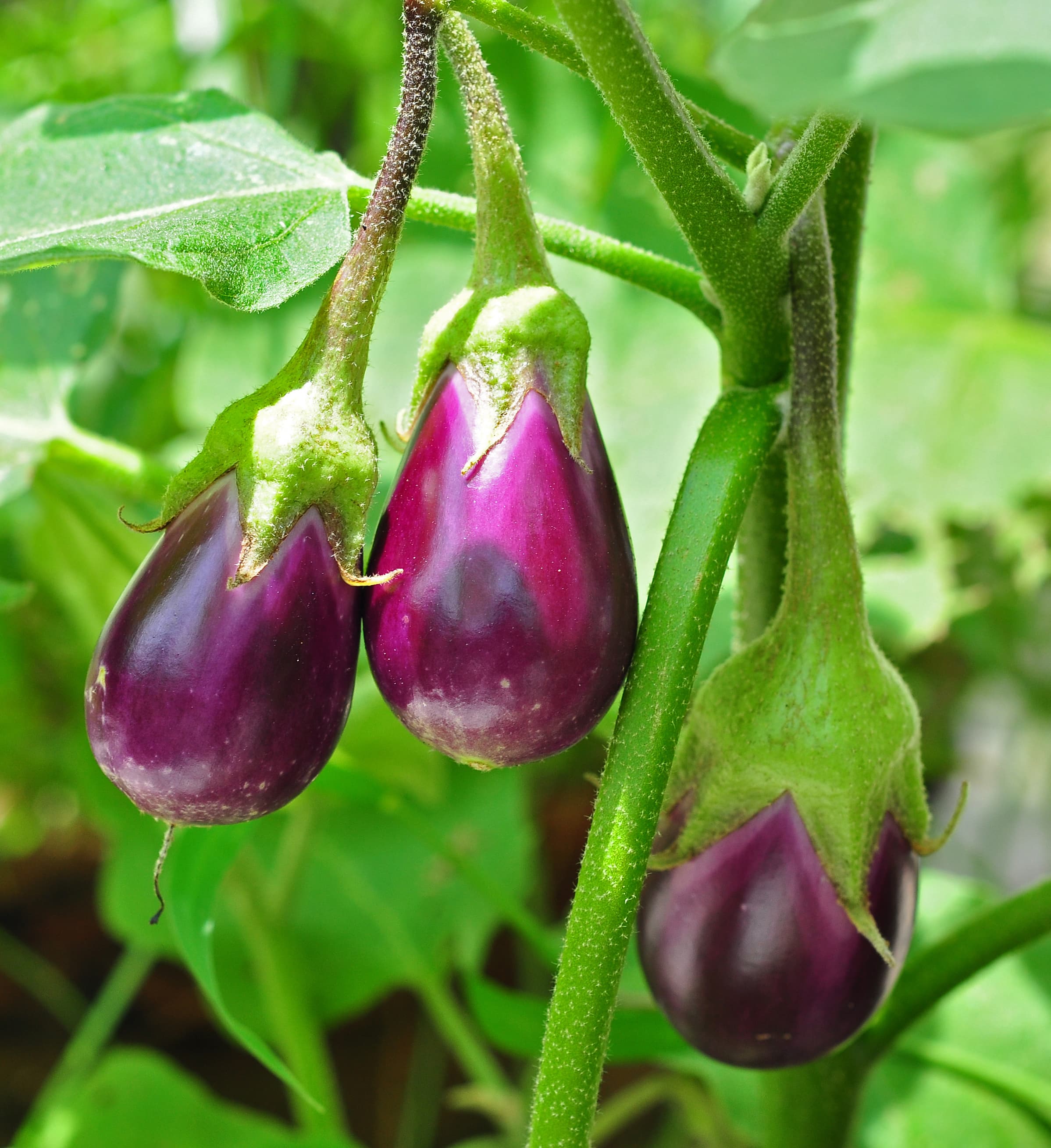
Aubergines are heat-loving tender vegetables that demand full sun and warm, sheltered conditions to crop successfully in temperate Europe. They are not frost-hardy (zones 9–11) and must be planted outdoors only after all risk of frost has passed, typically in May or June when soil temperatures have warmed reliably above 15°C. Choose the sunniest, most protected spot in your garden—against a south-facing wall is ideal—or grow them in a greenhouse or polytunnel for more reliable results. Prepare the soil by digging in plenty of well-rotted compost or manure several weeks before planting; aubergines thrive in fertile, moisture-retentive loam with good drainage. Raised beds warm up faster and are worth considering if your soil is heavy. If growing in containers, use large pots (at least 30 cm diameter) filled with a high-quality peat-free compost mixed with extra organic matter. Plant young aubergine plants (started indoors from seed in March or April, or bought as plugs) at a spacing of 60 cm to allow good air circulation and room for the mature spread of 50–70 cm. Set them at the same depth they were growing in their pots. Water thoroughly after planting to settle the roots, then apply a 5 cm layer of organic mulch around the base to conserve moisture and suppress weeds—keeping the mulch clear of the stem itself. Stake each plant with a sturdy cane at planting time, as the stems can become top-heavy once fruits develop. Tie in loosely as the plant grows.
Aubergines have high water needs and consistent moisture is critical from planting through to harvest. Water deeply two to three times per week during dry spells, increasing to daily watering in hot weather, particularly for container-grown plants. The soil should remain evenly moist but never waterlogged; erratic watering causes blossom-end rot and bitter, misshapen fruits. Mulching helps enormously with moisture retention. Feed generously throughout the growing season. Once the first fruits begin to swell in June, apply a high-potash liquid tomato fertiliser every week or ten days, continuing through July and August until harvesting winds down. This supports flower and fruit development. Avoid high-nitrogen feeds, which promote leafy growth at the expense of fruiting. Aubergines cannot overwinter outdoors in temperate Europe—they are killed by the first frost. Treat them as annuals and clear plants away in October or early November once cropping finishes. If growing under cover, you may extend the season slightly, but even then they will not survive winter cold. Watch for glasshouse red spider mite and whitefly, especially under cover; both thrive in warm, dry conditions. Increase humidity and consider biological controls if infestations develop. Aphids can cluster on shoot tips in early summer—squash by hand or spray with soapy water. Outdoors, flea beetles may pepper young leaves with holes; cover plants with fleece immediately after planting if this is a known problem. Botrytis (grey mould) can occur in damp, poorly ventilated conditions, so ensure good spacing and remove any rotting leaves or fruits promptly.
Aubergines have high water needs and consistent moisture is critical from planting through to harvest. Water deeply two to three times per week during dry spells, increasing to daily watering in hot weather, particularly for container-grown plants. The soil should remain evenly moist but never waterlogged; erratic watering causes blossom-end rot and bitter, misshapen fruits. Mulching helps enormously with moisture retention. Feed generously throughout the growing season. Once the first fruits begin to swell in June, apply a high-potash liquid tomato fertiliser every week or ten days, continuing through July and August until harvesting winds down. This supports flower and fruit development. Avoid high-nitrogen feeds, which promote leafy growth at the expense of fruiting. Aubergines cannot overwinter outdoors in temperate Europe—they are killed by the first frost. Treat them as annuals and clear plants away in October or early November once cropping finishes. If growing under cover, you may extend the season slightly, but even then they will not survive winter cold. Watch for glasshouse red spider mite and whitefly, especially under cover; both thrive in warm, dry conditions. Increase humidity and consider biological controls if infestations develop. Aphids can cluster on shoot tips in early summer—squash by hand or spray with soapy water. Outdoors, flea beetles may pepper young leaves with holes; cover plants with fleece immediately after planting if this is a known problem. Botrytis (grey mould) can occur in damp, poorly ventilated conditions, so ensure good spacing and remove any rotting leaves or fruits promptly.