Baby's breath in March: monthly care
Month-by-month care — Gypsophila paniculata
In March your baby's breath needs attention: plant / sow and prune.
- Plant / sow
- Prune
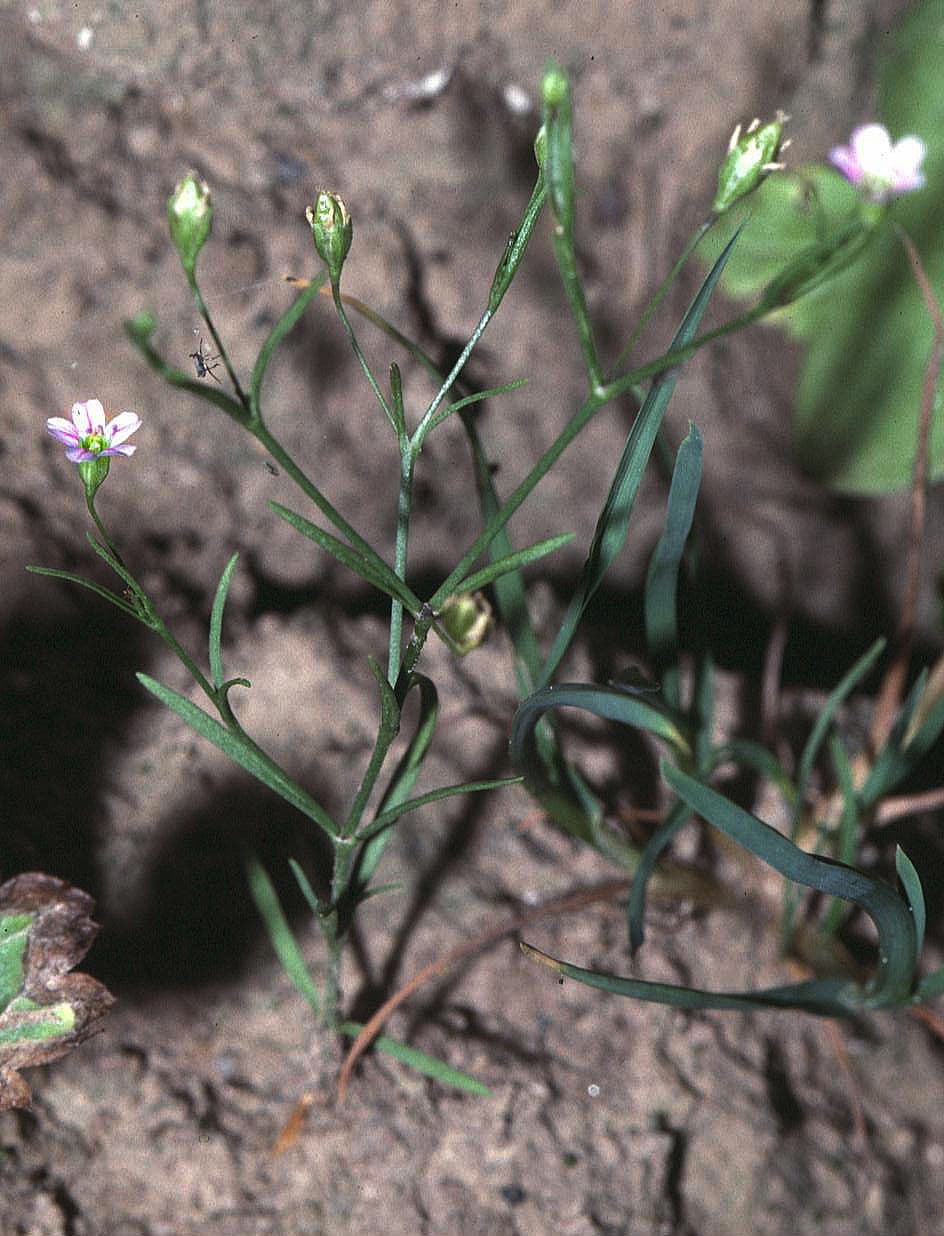
What to do this March
Gypsophila paniculata thrives in full sun and demands excellent drainage, making it ideal for sandy, loamy, or chalky soils. It tolerates—and even prefers—alkaline conditions, so avoid acid soils. If your ground is heavy clay, dig in plenty of horticultural grit or sharp sand to open up the structure; waterlogged roots will quickly rot. Plant in March, April, or May for establishment before summer, or in September and October if your soil drains freely and winters are mild. Dig a hole slightly larger than the root ball, set the crown at soil level (never deeper), and backfill with the excavated soil mixed with a handful of garden compost. Space plants 60 cm apart to allow the airy, cloud-like habit to develop without crowding. Water thoroughly immediately after planting to settle the roots, then water sparingly. Gypsophila is drought-tolerant once established and resents sitting in moisture. A light mulch of gravel or grit around the base helps suppress weeds and improves surface drainage, but avoid organic mulches that retain water against the crown. Gypsophila develops a deep taproot and dislikes disturbance, so choose your planting spot carefully—it won't transplant well once settled. Staking is rarely necessary despite the height, but if your site is exposed or the soil very rich (which encourages lax growth), insert a few twiggy pea sticks early in spring to provide discreet support as the stems elongate. Avoid planting in shade or damp hollows; both invite mildew and poor flowering.
Gypsophila paniculata requires minimal pruning, but a light trim keeps plants tidy and can encourage a second flush of bloom. After the main flowering wave in summer and late summer, deadhead spent flower stems by cutting back to just above a pair of healthy leaves or side shoots. This prevents energy going into seed production and often prompts a modest repeat display in early autumn. In November, once flowering has finished and foliage begins to yellow, cut the entire plant back to around 10–15 cm above ground level. Remove all the wispy top growth to tidy the clump and reduce the risk of fungal diseases overwintering on dead stems. Use clean, sharp secateurs or garden shears for the job. In March, before new growth emerges, check for any remaining dead or damaged stems and snip them away at the base. This is also the moment to clear away winter debris and old mulch from around the crown. Avoid heavy pruning into old wood or cutting below the crown; gypsophila regenerates from the base each spring and won't reshoot from bare, woody stems. If your plant becomes congested or flowering declines after several years, resist the temptation to divide it—gypsophila's taproot makes division difficult and often fatal. Instead, take basal cuttings in spring or replace the plant altogether. Regular light pruning in November and March is all that's needed to maintain a healthy, floriferous specimen for many years.