Baby's breath in May: monthly care
Month-by-month care — Gypsophila paniculata
In May your baby's breath needs attention: plant / sow and fertilise.
- Plant / sow
- Fertilise
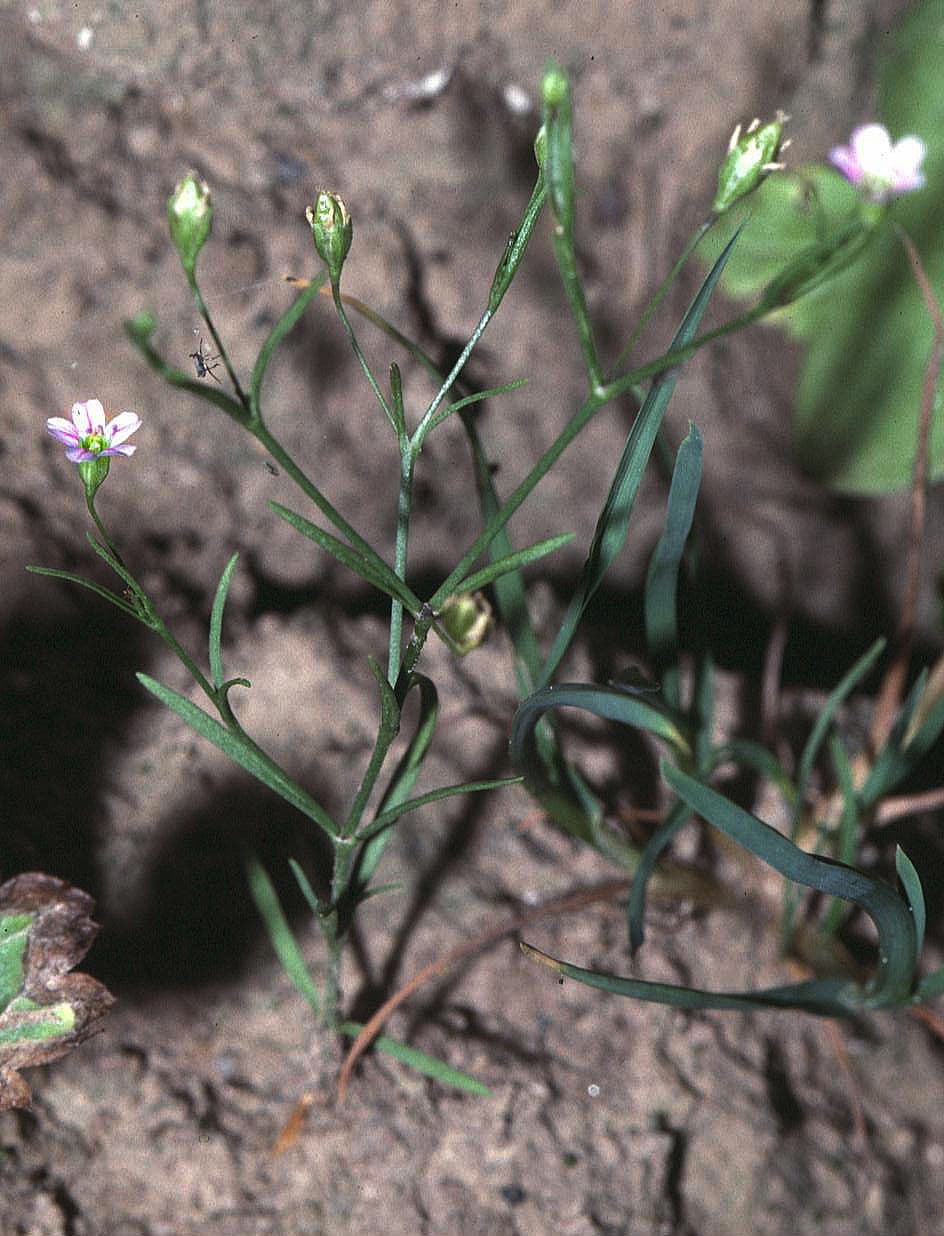
What to do this May
Gypsophila paniculata thrives in full sun and demands excellent drainage, making it ideal for sandy, loamy, or chalky soils. It tolerates—and even prefers—alkaline conditions, so avoid acid soils. If your ground is heavy clay, dig in plenty of horticultural grit or sharp sand to open up the structure; waterlogged roots will quickly rot. Plant in March, April, or May for establishment before summer, or in September and October if your soil drains freely and winters are mild. Dig a hole slightly larger than the root ball, set the crown at soil level (never deeper), and backfill with the excavated soil mixed with a handful of garden compost. Space plants 60 cm apart to allow the airy, cloud-like habit to develop without crowding. Water thoroughly immediately after planting to settle the roots, then water sparingly. Gypsophila is drought-tolerant once established and resents sitting in moisture. A light mulch of gravel or grit around the base helps suppress weeds and improves surface drainage, but avoid organic mulches that retain water against the crown. Gypsophila develops a deep taproot and dislikes disturbance, so choose your planting spot carefully—it won't transplant well once settled. Staking is rarely necessary despite the height, but if your site is exposed or the soil very rich (which encourages lax growth), insert a few twiggy pea sticks early in spring to provide discreet support as the stems elongate. Avoid planting in shade or damp hollows; both invite mildew and poor flowering.
Gypsophila paniculata is low-maintenance once established, demanding little water or fuss. Water sparingly through spring and summer; the plant is drought-tolerant and its deep taproot seeks moisture well below the surface. In prolonged dry spells, a thorough soak every two to three weeks is ample. Overwatering or poorly drained soil invites root rot and crown diseases, so err on the dry side. Feed lightly in April and May with a balanced granular fertiliser (such as blood, fish, and bone) or a general-purpose feed at half strength. Gypsophila grows naturally on poor, alkaline soils and too much nitrogen produces lush, floppy growth prone to mildew. A single spring feed is usually sufficient; avoid feeding after midsummer, which can reduce hardiness. Mulch with gravel or grit rather than organic matter. A 2–3 cm layer around the base suppresses weeds, aids drainage, and reflects light up into the lower stems. Keep mulch clear of the crown itself to prevent rot. Gypsophila is hardy to zone 3 and needs no winter protection in temperate Europe. In autumn, cut back as described and leave the crown exposed; wet winter conditions are more dangerous than cold. Common problems include powdery mildew in humid, still air—ensure good spacing and avoid overhead watering. Aphids occasionally cluster on young shoots in spring; a strong jet of water or insecticidal soap usually resolves this. Slugs rarely bother the wiry stems. Root rot is the main threat, almost always caused by poor drainage or overwatering, so site selection is your best prevention.