Baby's breath in November: monthly care
Month-by-month care — Gypsophila paniculata
In November your baby's breath needs attention: prune.
- Prune
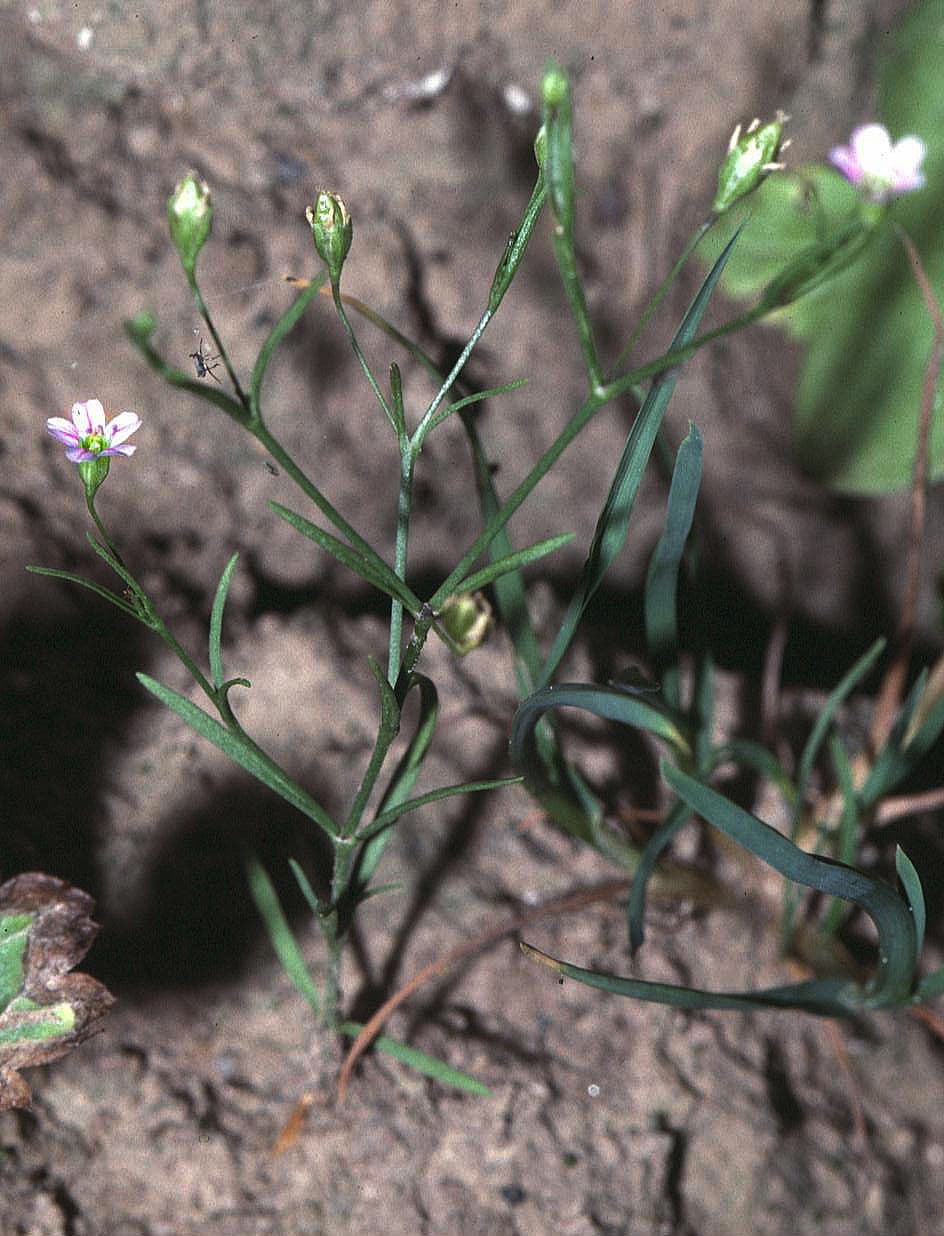
What to do this November
Gypsophila paniculata requires minimal pruning, but a light trim keeps plants tidy and can encourage a second flush of bloom. After the main flowering wave in summer and late summer, deadhead spent flower stems by cutting back to just above a pair of healthy leaves or side shoots. This prevents energy going into seed production and often prompts a modest repeat display in early autumn. In November, once flowering has finished and foliage begins to yellow, cut the entire plant back to around 10–15 cm above ground level. Remove all the wispy top growth to tidy the clump and reduce the risk of fungal diseases overwintering on dead stems. Use clean, sharp secateurs or garden shears for the job. In March, before new growth emerges, check for any remaining dead or damaged stems and snip them away at the base. This is also the moment to clear away winter debris and old mulch from around the crown. Avoid heavy pruning into old wood or cutting below the crown; gypsophila regenerates from the base each spring and won't reshoot from bare, woody stems. If your plant becomes congested or flowering declines after several years, resist the temptation to divide it—gypsophila's taproot makes division difficult and often fatal. Instead, take basal cuttings in spring or replace the plant altogether. Regular light pruning in November and March is all that's needed to maintain a healthy, floriferous specimen for many years.