Caring for Baby's breath
Complete guide — Gypsophila paniculata
baby's breath needs low maintenance, a position in full sun on sandy soil / loam / chalky soil and low water needs.
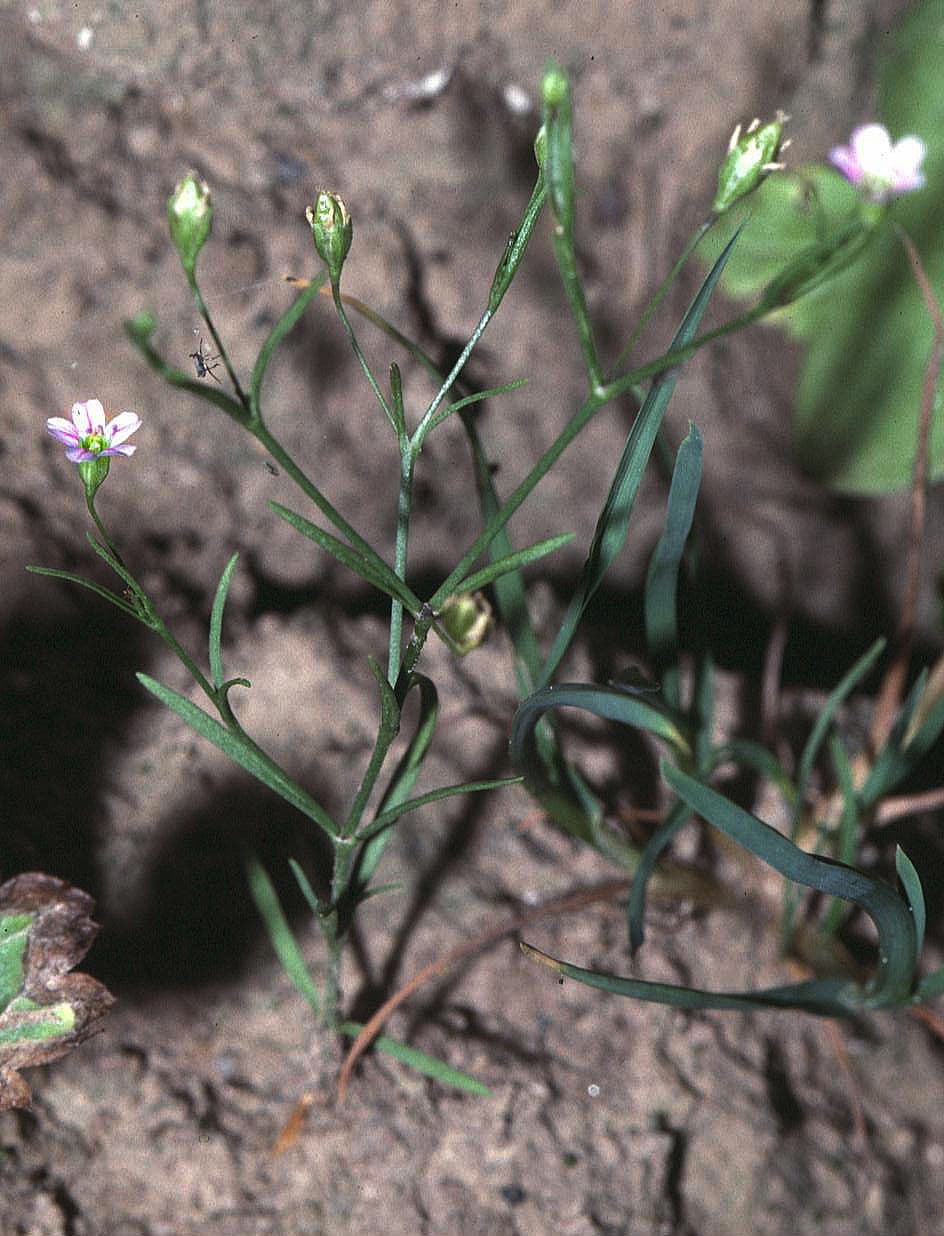
Position
full sun
sandy soil, loam, chalky soil
low water needs
Feeding
Feed in April and May.
Year-round care
Gypsophila paniculata is low-maintenance once established, demanding little water or fuss. Water sparingly through spring and summer; the plant is drought-tolerant and its deep taproot seeks moisture well below the surface. In prolonged dry spells, a thorough soak every two to three weeks is ample. Overwatering or poorly drained soil invites root rot and crown diseases, so err on the dry side. Feed lightly in April and May with a balanced granular fertiliser (such as blood, fish, and bone) or a general-purpose feed at half strength. Gypsophila grows naturally on poor, alkaline soils and too much nitrogen produces lush, floppy growth prone to mildew. A single spring feed is usually sufficient; avoid feeding after midsummer, which can reduce hardiness. Mulch with gravel or grit rather than organic matter. A 2–3 cm layer around the base suppresses weeds, aids drainage, and reflects light up into the lower stems. Keep mulch clear of the crown itself to prevent rot. Gypsophila is hardy to zone 3 and needs no winter protection in temperate Europe. In autumn, cut back as described and leave the crown exposed; wet winter conditions are more dangerous than cold. Common problems include powdery mildew in humid, still air—ensure good spacing and avoid overhead watering. Aphids occasionally cluster on young shoots in spring; a strong jet of water or insecticidal soap usually resolves this. Slugs rarely bother the wiry stems. Root rot is the main threat, almost always caused by poor drainage or overwatering, so site selection is your best prevention.


