Harvesting Bee balm 'Cambridge Scarlet'
When and how — Monarda 'Cambridge Scarlet'
Harvest bee balm 'Cambridge Scarlet' in July, August and September — the main harvest usually falls in August.
The next harvest is July next year.
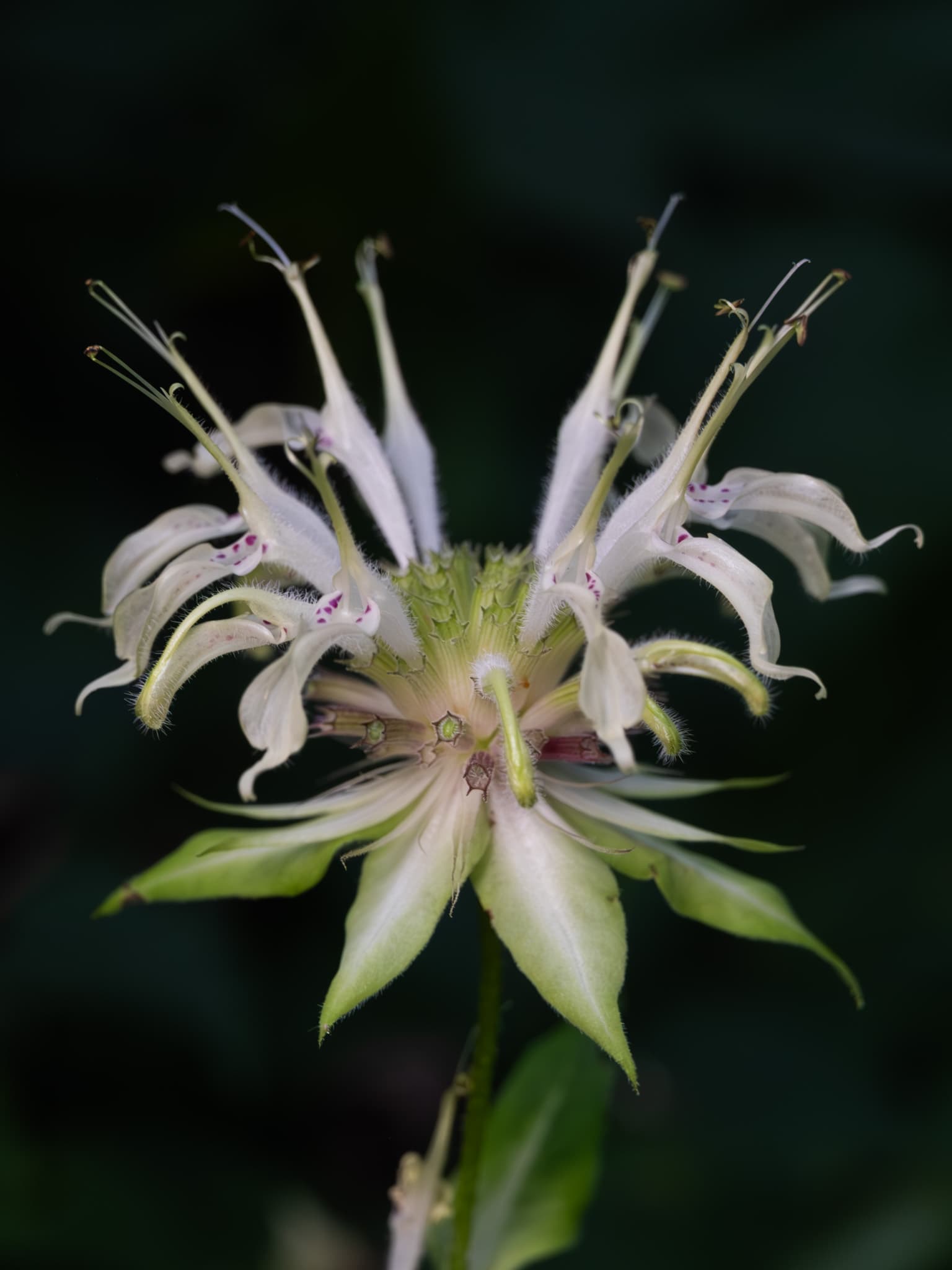
How to harvest bee balm 'Cambridge Scarlet'
Monarda 'Cambridge Scarlet' has moderate water needs and performs best with consistent moisture, especially during dry spells in summer when it's flowering. Water deeply once or twice a week rather than little and often, aiming to keep the soil evenly moist but not saturated. Clay and loam soils retain moisture well, but in prolonged dry periods the leaves may droop; water promptly to avoid stress. Reduce watering in autumn and winter when the plant is dormant. Feed in April and May as new growth appears. Apply a balanced general-purpose fertiliser (such as blood, fish and bone) or a slow-release granular feed around the base of the plant, following packet instructions. A second, lighter feed in early summer supports flowering, though avoid overfeeding, which encourages soft, mildew-prone growth. Powdery mildew is the most common problem, particularly in dry soil or crowded plantings. White, powdery patches appear on leaves from mid-summer onwards. Improve air circulation by thinning stems, water at the base rather than overhead, and remove affected foliage. Resistant varieties exist, but 'Cambridge Scarlet' is moderately susceptible. Aphids occasionally cluster on young shoots; squash by hand or spray with soapy water. Refresh the mulch layer each spring to suppress weeds and conserve moisture. Monarda is fully hardy in zones 4–9 and needs no winter protection in temperate Europe. The clumps spread steadily; divide every three to four years in early spring to prevent overcrowding and maintain vigour.


