Pruning Blue fescue
When and how — Festuca glauca
Prune your blue fescue in March — the optimal month is usually March.
The next pruning window is March next year.
When to prune?
The ornamental grass blue fescue is pruned in March.
Cut ornamental grasses once a year, at exactly the right moment.
Ornamental grasses split into two groups with very different needs. Warm-season grasses (Miscanthus, Panicum, Pennisetum) die back above ground over winter and are cut down to about a fist's height in February or March. Those dry stems provide winter interest and protect the crown from frost and rain. Cool-season grasses (Stipa, Carex, Festuca, Deschampsia) stay green or semi-evergreen and must NOT be cut back hard — a spring tidy where you comb out the old dead blades with gloved hands is enough. Hard-prune a Stipa and whole tufts can rot out and die.
How to prune blue fescue
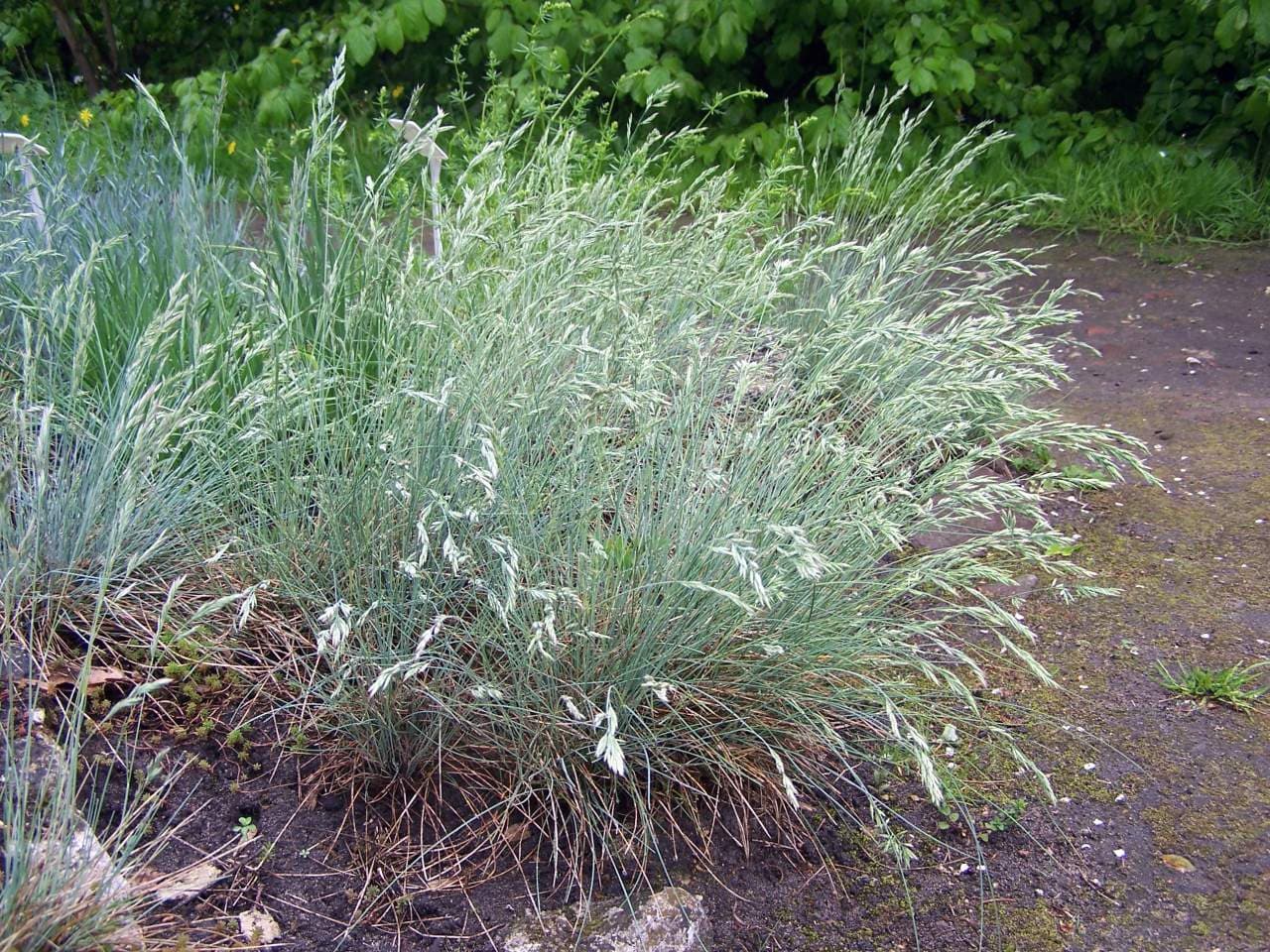
Blue fescue is evergreen, so it doesn't die back completely in winter, but it does benefit from an annual tidy-up in March. This is the single most important maintenance task for keeping the plant looking fresh and compact. In early to mid-March, before new growth begins in earnest, use your hands or a pair of garden shears to comb through the clump and remove dead, brown, or tatty foliage from the previous year. You can be quite firm—grasp handfuls of the old leaves and pull them away, or trim the whole clump back by about one-third to one-half its height. The aim is to clear out the old growth without damaging the crown or the fresh blue-green shoots emerging at the base. Some gardeners prefer to cut the entire plant back hard to about 5–8 cm above ground level in March. This works well if the clump has become messy or sparse in the centre, and it encourages a flush of tidy new growth. Use sharp hand shears or secateurs and cut just above the crown, taking care not to slice into the woody base. If your blue fescue sends up beige flower spikes in early summer, you can leave them for their subtle ornamental effect or cut them off once they fade if you prefer a neater look. Removing spent flowers won't harm the plant, but it's not essential. Avoid autumn or winter pruning. The old foliage provides some protection to the crown during cold, wet weather, and cutting back too early can leave the plant vulnerable to rot.
Common mistakes
✗ Cutting warm-season grasses down in October
You lose the winter silhouette AND the crown drowns without the protective dry stems. Wait until late February or early March, just before new growth starts.
✗ Hard-cutting cool-season grasses
Species like Stipa tenuissima and Festuca tolerate it poorly and may rot out. Combing with gloves is the right approach.
Too late this year? Here's what to do
Better to wait than prune at the wrong moment. The next optimal window is March next year. Until then: leave the plant alone — only remove dead or diseased wood (which you can do year-round).


