Caring for Blue fescue
Complete guide — Festuca glauca
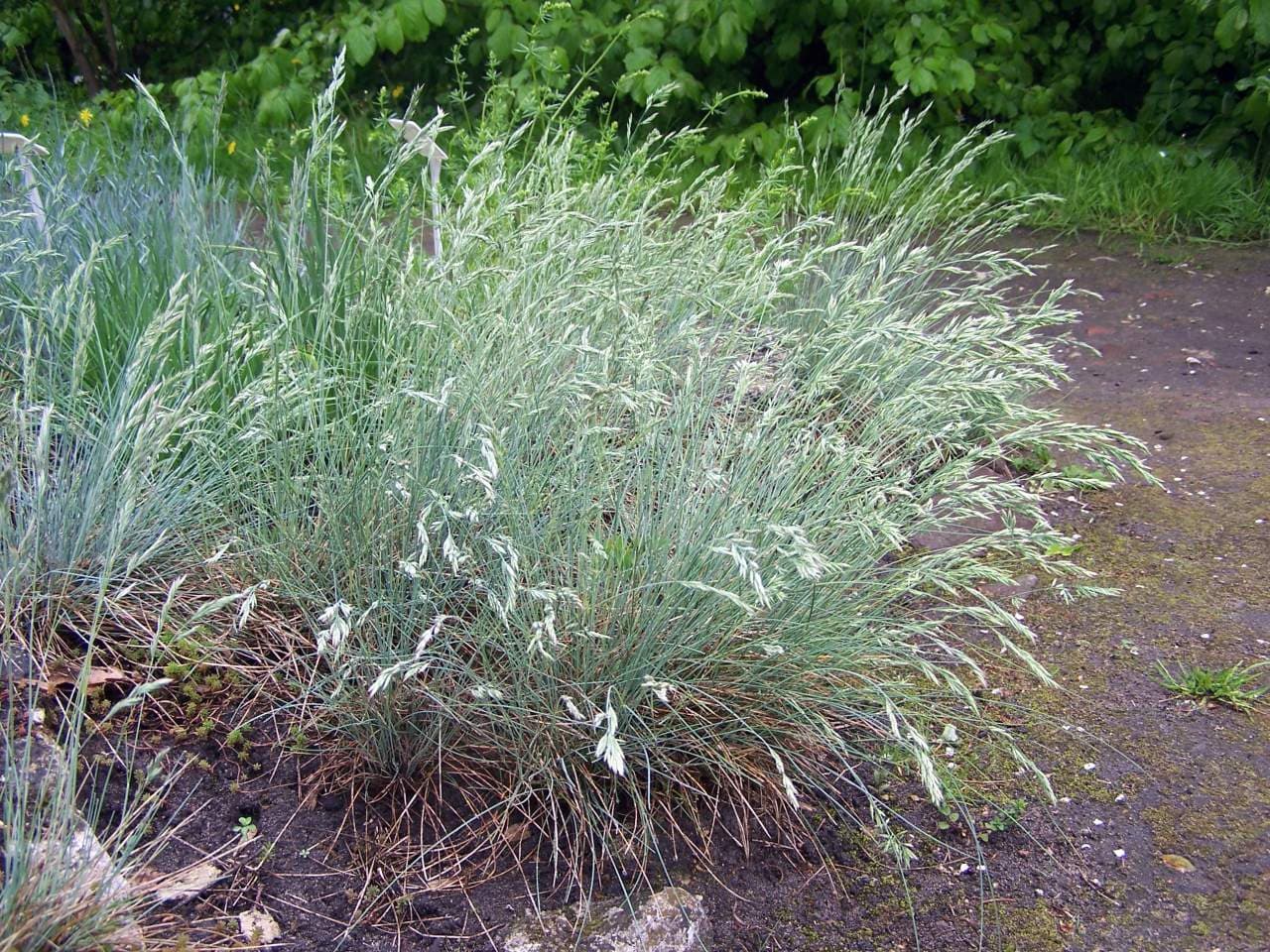
blue fescue needs low maintenance, a position in full sun on sandy soil / loam and low water needs.
Position
full sun
sandy soil, loam
low water needs
Year-round care
Blue fescue is a low-maintenance grass once established, and its main requirement is to be left relatively dry. Water newly planted specimens regularly for the first few weeks until roots take hold, but after that, water only during prolonged dry spells in summer. Overwatering or planting in poorly drained soil is the most common cause of failure—this grass evolved on dry, rocky hillsides and copes far better with drought than with wet feet. Feeding is not necessary. Blue fescue grows naturally in poor, lean soils, and adding fertiliser encourages lush, floppy growth that loses the plant's characteristic steely-blue colour and compact shape. If your soil is very poor, a light sprinkle of general-purpose granular fertiliser in early spring won't harm, but it's rarely needed and best avoided. Blue fescue is fully hardy in zones 4–8 and requires no winter protection in temperate Europe. It remains evergreen through winter, though the foliage may look a little tired by late February. Good drainage is more important than cold protection—wet winter soil is far more damaging than frost. Pests and diseases are uncommon. Occasionally, the centre of an old clump may die out, leaving a bare patch surrounded by a ring of growth. This is a sign the plant is aging. Lift and divide it in March or September, replanting only the healthy outer sections and discarding the woody centre. Mulch with gravel or grit rather than organic matter. This keeps moisture away from the crown, suppresses weeds, and complements the plant's drought-tolerant nature.