Bugbane 'Brunette' in October: monthly care
Month-by-month care — Actaea simplex 'Brunette'
In October your bugbane 'Brunette' needs attention: plant / sow and watch the bloom.
- Plant / sow
- Blooms
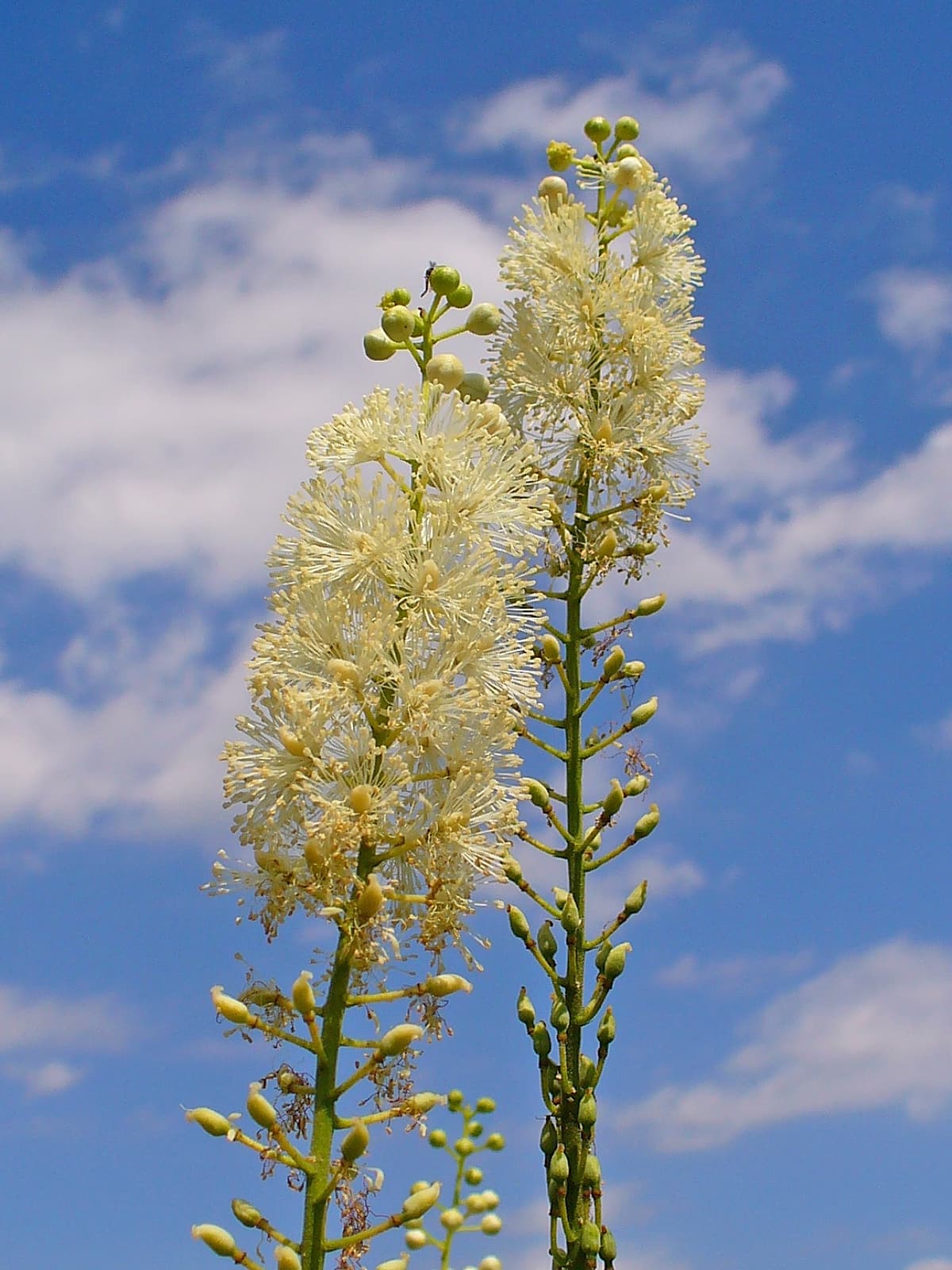
What to do this October
Actaea simplex 'Brunette' thrives in partial shade or full sun, though in hotter, sunnier spots it benefits from afternoon shade to prevent leaf scorch. Choose a position with loam or clay soil that retains moisture without becoming waterlogged. Before planting, dig in plenty of organic matter—well-rotted compost or manure—to improve soil structure and moisture retention, especially if your soil is on the lighter side. Plant between March and May or in September and October, avoiding periods of frost or drought. Dig a hole roughly twice the width of the root ball and deep enough so the crown sits at the same level it was in the pot. Space plants 60 cm apart to allow for their mature spread of 50–60 cm and to ensure good air circulation. Actaea simplex 'Brunette' forms a substantial clump over time, so give it room to develop. After planting, firm the soil gently around the roots and water thoroughly to settle the plant in and eliminate air pockets. Apply a 5–7 cm layer of organic mulch—leaf mould, composted bark, or garden compost—around the base, keeping it clear of the crown itself. This mulch conserves moisture, suppresses weeds, and gradually enriches the soil as it breaks down. Water regularly during the first growing season to help the roots establish, especially in dry spells. Actaea simplex 'Brunette' is fully hardy (zone 3–8) and will tolerate cold winters once settled, but young plants appreciate consistent moisture in their first year.
Actaea simplex 'Brunette' has moderate water needs and performs best in soil that stays consistently moist, particularly during spring and summer when it's putting on foliage and flower growth. Water regularly during dry spells, aiming to keep the root zone damp but not saturated. In clay or loam soils with good organic content, you may only need to water during prolonged dry periods. Mulching helps retain moisture and reduces the frequency of watering. In autumn and winter, once the plant has died back, rainfall is usually sufficient. Feed in March or April as new growth emerges. Apply a balanced granular fertiliser such as blood, fish and bone or a general-purpose slow-release feed, scattering it around the base of the plant and lightly working it into the soil surface. Alternatively, top-dress with a 3–5 cm layer of well-rotted compost or manure, which feeds the soil and improves structure. Avoid high-nitrogen feeds later in the season, as these promote soft growth at the expense of flowers. Actaea simplex 'Brunette' is fully hardy and needs no winter protection. The top growth dies back naturally after the first frosts; leave the dead stems standing until spring if you wish, or cut them back in late autumn if you prefer a tidier border. Pests are rarely a problem, though slugs and snails may nibble emerging shoots in spring—use organic slug pellets, barriers, or hand-pick in the evening if damage is severe. The plant is generally disease-free, but in very wet, poorly drained soil it can occasionally suffer from root rot, so ensure good drainage at planting time.