Pruning California Lilac
When and how — Ceanothus × delileanus 'Gloire de Versailles'
Prune your california Lilac in March and April — the optimal month is usually April.
The next pruning window is March next year.
When to prune?
The shrub california Lilac is pruned in March and April.
Pruning time depends on when the shrub flowers.
The rule of thumb for ornamental shrubs: spring-flowering shrubs (forsythia, lilac, flowering currant) are pruned immediately after flowering, because they set their buds on last year's wood. Summer-flowering shrubs (buddleia, paniculata hydrangea, hardy hibiscus) are pruned in March, because they flower on wood produced this season. Get the timing wrong and you cut off this year's buds. Evergreen shrubs (yew, box) are best pruned around Midsummer (24 June): the first flush of growth is finished and the plant still has time to seal the wounds before winter.
How to prune california Lilac
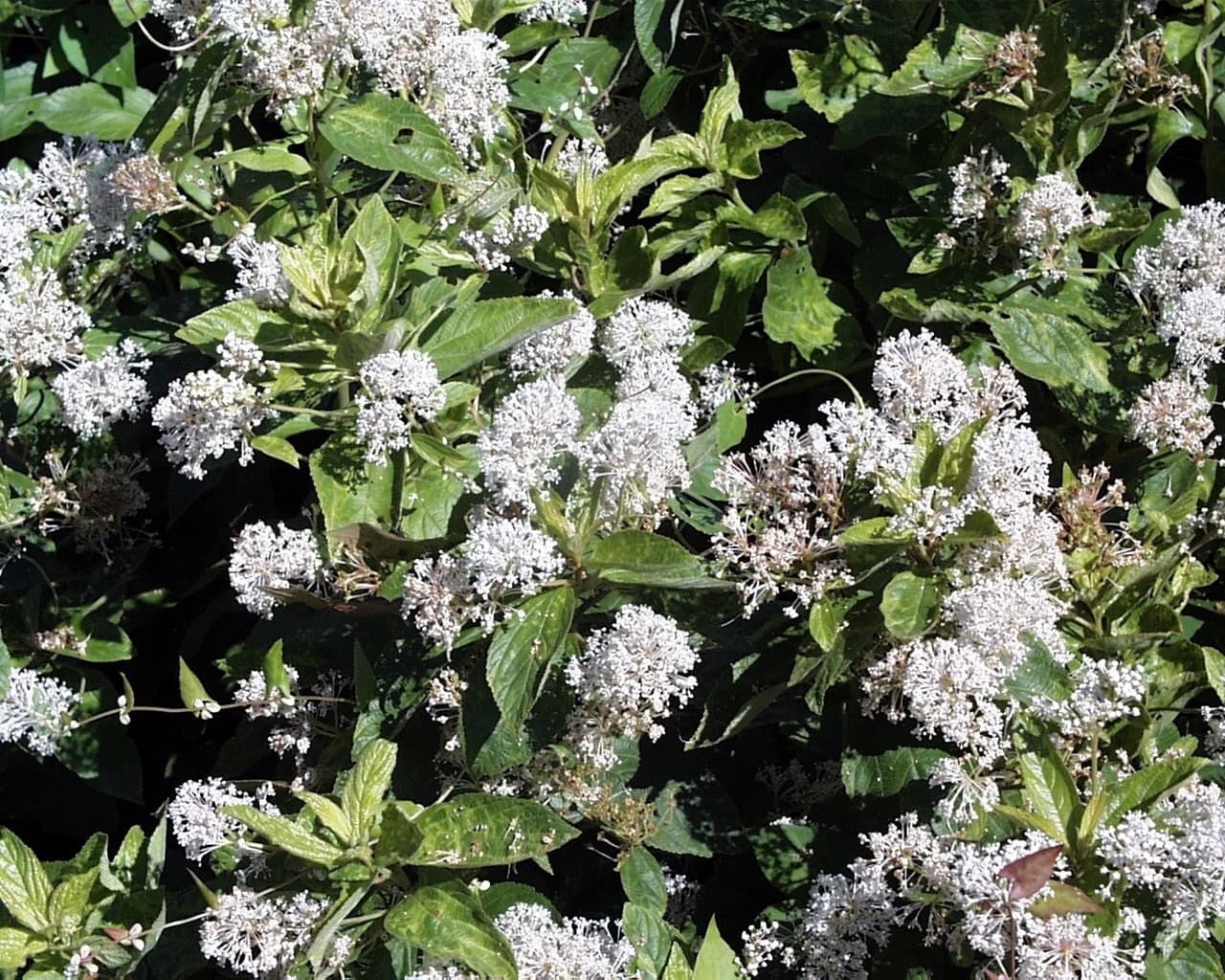
Ceanothus × delileanus 'Gloire de Versailles' flowers on the current season's growth, which makes it one of the easier California lilacs to prune. Prune in March or April, just as the buds begin to swell but before active growth starts. This timing allows the plant to produce plenty of new flowering shoots for summer and autumn blooms while avoiding frost damage to fresh cuts. Use clean, sharp secateurs or loppers for the job. The key is to cut back all the previous year's growth quite hard—reduce last season's stems to within 5–10 cm of the older framework, cutting just above an outward-facing bud. This encourages a compact, bushy shape and prevents the plant from becoming leggy and bare at the base, a common problem if left unpruned. Don't be timid: hard pruning in spring rejuvenates the plant and promotes vigorous flowering growth. Remove any dead, damaged, or crossing branches entirely, cutting back to healthy wood or the main framework. Also take out any weak or spindly shoots that won't flower well. If the plant has become overgrown or misshapen, you can renovate it by cutting the entire framework back to 30–50 cm from the ground in early April, though this will sacrifice one season's flowers. Avoid autumn or winter pruning, as fresh cuts are vulnerable to frost damage and the plant is less able to heal wounds in cold weather. Never prune after May, as you'll remove the developing flower buds. Deadheading spent flowers isn't necessary for repeat blooming, but you can tidy the plant lightly after the main flush if desired.
Common mistakes
✗ Hard-pruning all hydrangeas in early spring
Mophead hydrangea (Hydrangea macrophylla) flowers on old wood — cut it back in March and you get no flowers. Paniculata flowers on new wood and can be cut back hard. Check the species first.
✗ Trimming everything to the same length
Looks 'chopped' and weakens the shrub. Instead, remove one in three of the oldest stems each year right down to the base (renewal pruning). This keeps the shrub vigorous and natural in shape.
✗ Pruning in summer heat
Fresh cuts dry out quickly in full sun and become an entry point for fungal disease. Wait for an overcast day or postpone until autumn.
Combine with feeding
In April you can combine pruning with feeding — efficient, and you only disturb the plant once. Read the full care guide for california Lilac →
Too late this year? Here's what to do
Better to wait than prune at the wrong moment. The next optimal window is March next year. Until then: leave the plant alone — only remove dead or diseased wood (which you can do year-round).


