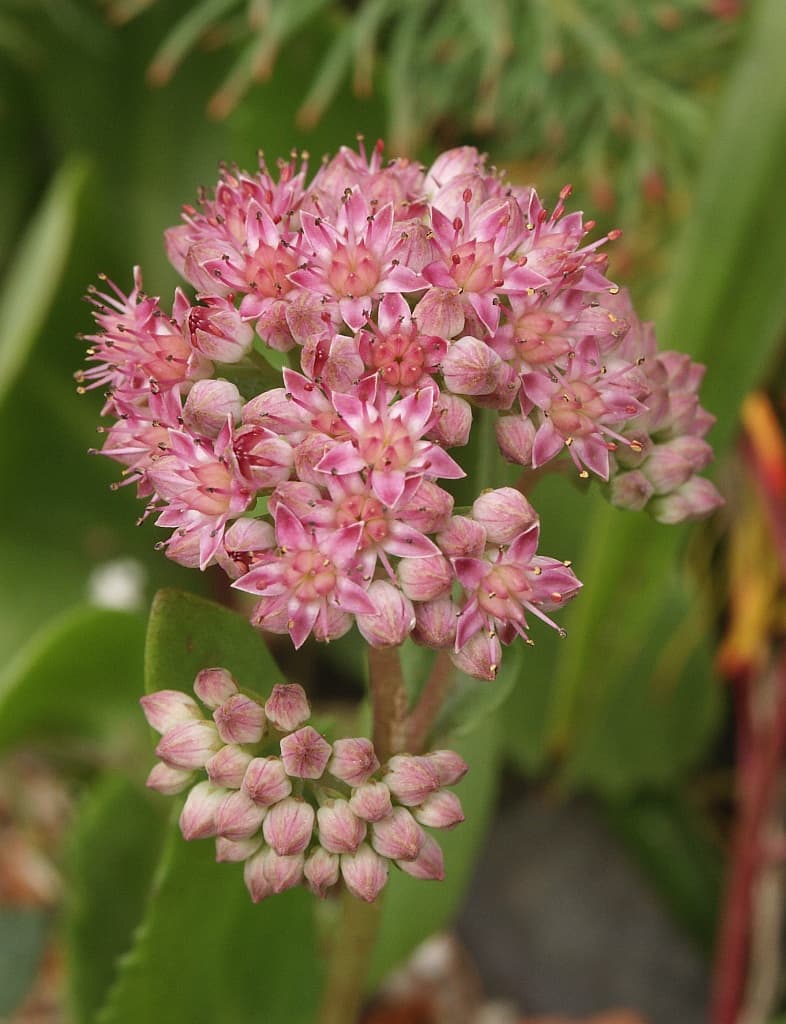
Common primrose
Primula vulgaris
Dutch: Stengelloze sleutelbloem
Stengelloze sleutelbloem (Primula vulgaris) is a native to the Netherlands perennial from the Primulaceae family that grows up to 15cm tall. This plant thrives in partial shade to shade and requires low maintenance. Blooms in early spring and spring with yellow flowers and attracts bees and butterflies.
10–15 cm
20–30 cm
partial shade, full shade
moderate
loam, clay soil
low maintenance
early spring, spring
yellow
Ecologische waarde
Verzorgingskalender
| Taak | Jan | Feb | Mrt | Apr | Mei | Jun | Jul | Aug | Sep | Okt | Nov | Dec |
|---|---|---|---|---|---|---|---|---|---|---|---|---|
| 🌱Planten | ||||||||||||
| ✂️Snoeien | ||||||||||||
| 💧Bemesten |
Care tips
Planting
Primula vulgaris thrives in partial to full shade, making it ideal for woodland edges, beneath deciduous trees, or on the shady side of borders. It tolerates loam and clay soils well, provided they retain moisture without becoming waterlogged. Before planting, work in plenty of organic matter—leaf mould or well-rotted compost—to improve soil structure and moisture retention, especially if your clay is heavy or prone to drying out in summer. Plant in March, April, September, or October. Autumn planting is often preferable because the cooler, damper conditions help plants establish without stress, and they'll flower reliably the following spring. Space plants 20 cm apart to allow for their eventual spread of 20–30 cm. Dig a hole slightly larger than the root ball, set the crown at soil level (not buried, not proud), and firm in gently. The low height of 10–15 cm means primroses sit close to the ground, so take care not to plant too deeply or the crown may rot. Water thoroughly after planting to settle the soil around the roots and eliminate air pockets. In dry spells during the first few weeks, keep the soil consistently moist but not saturated. A light mulch of leaf mould or fine bark around (but not over) the crowns helps retain moisture and suppresses weeds. Avoid planting in full sun or exposed, dry positions; primroses are woodland natives and will struggle without shade and moisture. If planting in spring, be prepared to water more frequently until the plants are established.
Pruning
Primula vulgaris does not require pruning in the traditional sense—there are no woody stems to cut back and no framework to shape. What it does need is regular deadheading and tidying to keep plants healthy and encourage further flowering. In May and June, once the main flush of spring blooms has faded, remove spent flower stems by pinching or snipping them off at the base. This prevents the plant from putting energy into seed production and often prompts a modest second flush of flowers, especially in a cool, damp season. Use your fingers or a pair of small secateurs or scissors. Work through the clump methodically, removing any yellowing or damaged leaves at the same time. Primrose foliage can look tattered by early summer, particularly after a dry spell or if slugs have been active. Cut back any browned or slug-damaged leaves to the base to tidy the plant and reduce hiding places for pests. Healthy green leaves should be left intact; they continue photosynthesising and building up the plant's reserves for next year. By midsummer the plant often goes semi-dormant, especially in dry weather, and the foliage may die back partially. Don't be tempted to cut everything to the ground—primroses are evergreen to semi-evergreen and a rosette of leaves usually persists through winter. In autumn, remove any remaining dead foliage but leave the fresh growth alone. This minimal intervention suits the primrose's low-maintenance nature perfectly.
Maintenance
Primula vulgaris has moderate water needs and dislikes drying out, especially during spring growth and flowering. In a typical year, rainfall and moisture-retentive soil should suffice, but in dry springs or summers water regularly to keep the soil evenly moist. Mulching with leaf mould in autumn or early spring helps retain moisture and mimics the plant's natural woodland-floor habitat. Avoid overhead watering in full flower, as this can mark the blooms. Feed in March and April as new growth emerges. A light dressing of general-purpose granular fertiliser or a mulch of well-rotted compost provides sufficient nutrients. Primroses are not heavy feeders, and over-fertilising—especially with high-nitrogen feeds—encourages lush foliage at the expense of flowers and can make plants more susceptible to rot. Hardiness is excellent (zone 4–8), and primroses need no winter protection in temperate Europe. They remain evergreen or semi-evergreen through mild winters, though foliage may look tired by late winter. Slugs and snails are the main pests, particularly on young leaves and flower buds in early spring. Use organic pellets, beer traps, or hand-pick in the evening. Primroses can also suffer from vine weevil; if plants suddenly wilt, check for grubs in the roots and treat with biological controls in late summer. Grey mould (botrytis) may appear in damp, crowded conditions—ensure good air circulation and remove any rotting leaves promptly. Maintenance overall is low, making this a reliable, undemanding perennial for shady spots.
More about this plant
Combines well with
Related guides
Common primrose in your garden design?
Make a free garden design with AI advice. Our AI knows Common primrose and 130+ other plants.
Start free design