Coneflower 'Cheyenne Spirit' in April: monthly care
Month-by-month care — Echinacea 'Cheyenne Spirit'
In April your coneflower 'Cheyenne Spirit' needs attention: plant / sow and fertilise.
- Plant / sow
- Fertilise
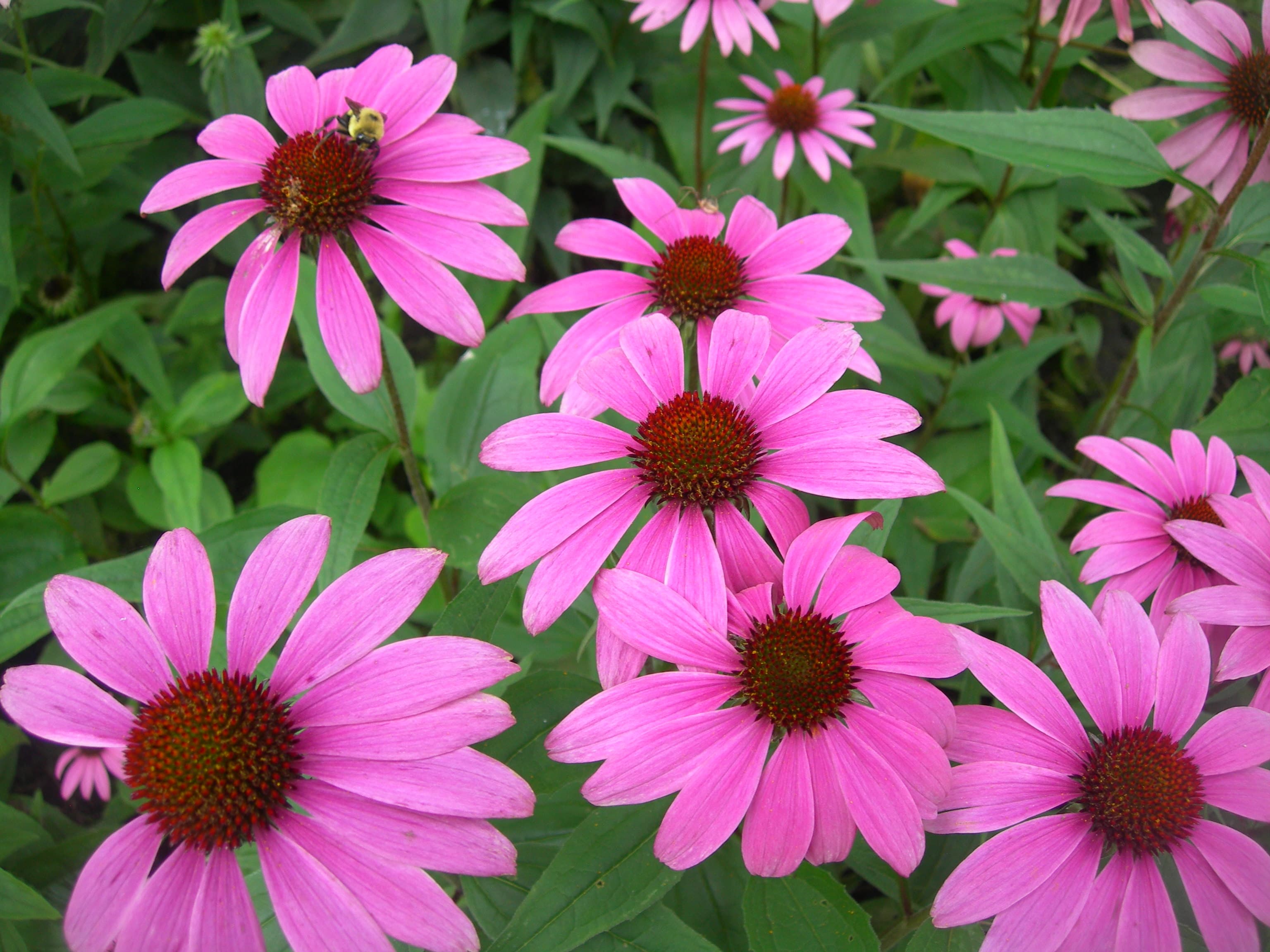
What to do this April
Echinacea 'Cheyenne Spirit' thrives in full sun but tolerates partial shade, though flowering may be less prolific in shadier spots. It adapts to a wide range of soil types—loam, sandy soil, and even clay—provided drainage is reasonable. Heavy clay benefits from the addition of grit or organic matter to prevent waterlogging, which can rot the crown over winter. Plant container-grown perennials in March, April, or May for establishment before summer, or in September and October to take advantage of warm soil and autumn rain. Space plants 40 cm apart to allow for their mature spread of 30–45 cm and good air circulation, which helps reduce mildew. Dig a hole slightly larger than the root ball and loosen the soil at the base to encourage roots to spread. Set the plant so the crown (where stems meet roots) sits level with the surrounding soil—planting too deep invites rot. Backfill with the excavated soil, firm gently with your hands, and water thoroughly to settle roots and eliminate air pockets. Apply a 5 cm layer of mulch around the base, keeping it clear of the crown itself, to suppress weeds and retain moisture during establishment. Water regularly for the first few months, especially if planting in spring or during dry spells, until the plant is visibly growing strongly. Autumn-planted echinaceas need less attention but should not be allowed to dry out completely before winter. Staking is rarely necessary given the compact 45–60 cm height, even in exposed gardens.
Once established, Echinacea 'Cheyenne Spirit' has moderate water needs and tolerates short dry spells, though prolonged drought will reduce flowering. Water deeply during extended dry periods in summer, aiming for the base of the plant rather than overhead to minimise mildew risk. In spring and autumn, rainfall is usually sufficient; avoid waterlogged conditions, especially over winter. Feed in April or May as growth resumes. A single application of a balanced general-purpose granular fertiliser (such as blood, fish and bone or a slow-release product) scratched lightly into the soil around the plant is enough. Avoid high-nitrogen feeds, which promote soft leafy growth at the expense of flowers. Echinacea is not a heavy feeder, and over-fertilising can make plants leggy. This cultivar is fully hardy in zones 4–9 and needs no special winter protection in temperate Europe. Mulch lightly in autumn with garden compost or well-rotted manure to insulate roots and improve soil structure, but keep mulch away from the crown to prevent rot. Common pests include aphids on young shoots in spring; a strong jet of water or an insecticidal soap usually resolves this. Powdery mildew can appear on foliage in late summer, especially in crowded or humid conditions—ensure good spacing and air flow, and remove affected leaves promptly. Slugs occasionally nibble emerging shoots in early spring; use your preferred control method if damage is severe. Otherwise, 'Cheyenne Spirit' is a robust, low-maintenance perennial that rewards minimal intervention with months of vibrant, pollinator-friendly colour.