Coneflower 'Cheyenne Spirit' in March: monthly care
Month-by-month care — Echinacea 'Cheyenne Spirit'
In March your coneflower 'Cheyenne Spirit' needs attention: plant / sow and prune.
- Plant / sow
- Prune
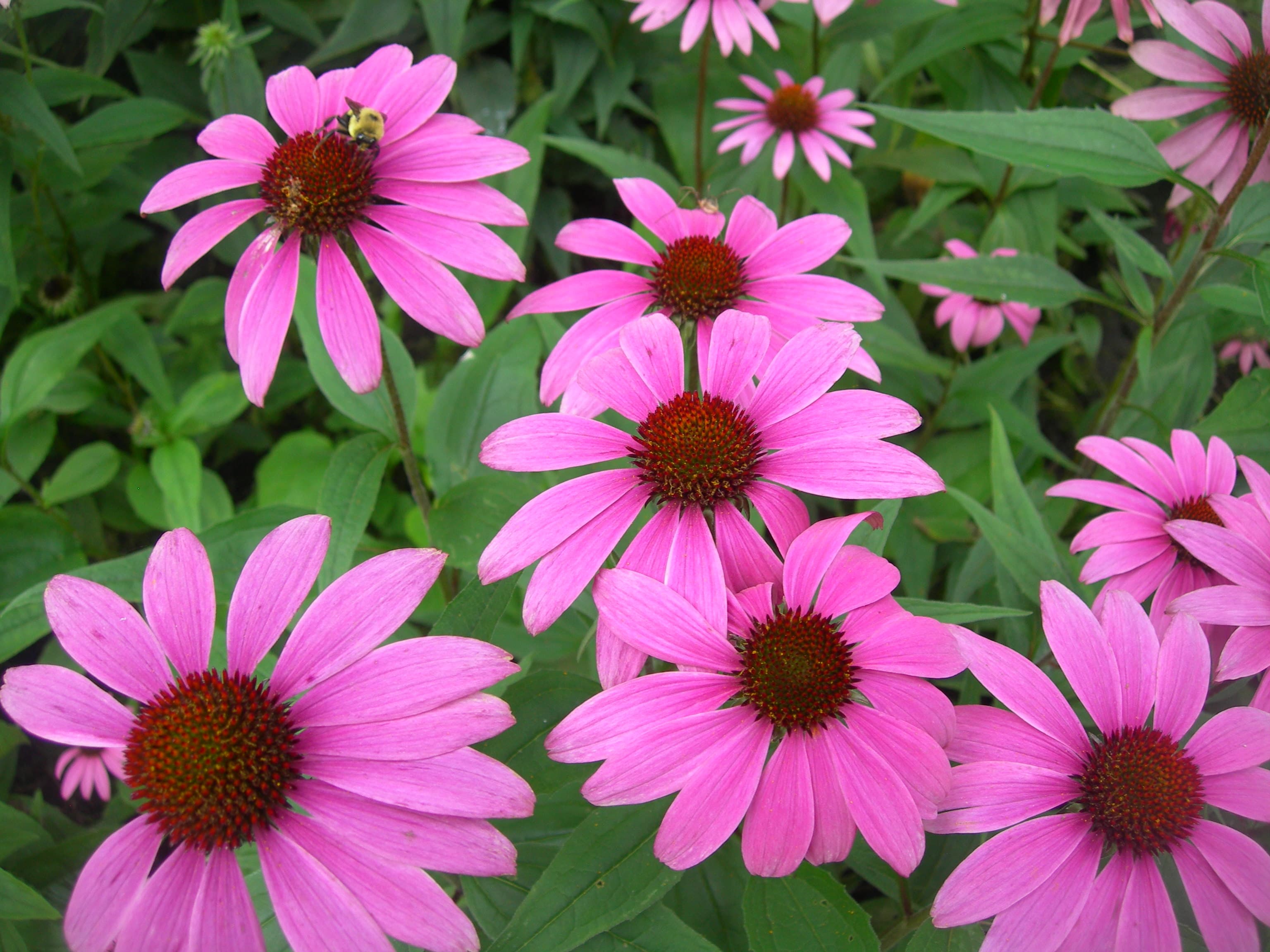
What to do this March
Echinacea 'Cheyenne Spirit' thrives in full sun but tolerates partial shade, though flowering may be less prolific in shadier spots. It adapts to a wide range of soil types—loam, sandy soil, and even clay—provided drainage is reasonable. Heavy clay benefits from the addition of grit or organic matter to prevent waterlogging, which can rot the crown over winter. Plant container-grown perennials in March, April, or May for establishment before summer, or in September and October to take advantage of warm soil and autumn rain. Space plants 40 cm apart to allow for their mature spread of 30–45 cm and good air circulation, which helps reduce mildew. Dig a hole slightly larger than the root ball and loosen the soil at the base to encourage roots to spread. Set the plant so the crown (where stems meet roots) sits level with the surrounding soil—planting too deep invites rot. Backfill with the excavated soil, firm gently with your hands, and water thoroughly to settle roots and eliminate air pockets. Apply a 5 cm layer of mulch around the base, keeping it clear of the crown itself, to suppress weeds and retain moisture during establishment. Water regularly for the first few months, especially if planting in spring or during dry spells, until the plant is visibly growing strongly. Autumn-planted echinaceas need less attention but should not be allowed to dry out completely before winter. Staking is rarely necessary given the compact 45–60 cm height, even in exposed gardens.
Echinacea 'Cheyenne Spirit' does not require traditional pruning in the way a shrub does, but thoughtful deadheading and seasonal tidying keep it flowering well and looking tidy. The main pruning months are March and November, each serving a different purpose. During the flowering season—early summer through to late summer—regularly remove spent blooms by cutting the stem back to the first set of healthy leaves or a side bud. This encourages further flushes of flower and prolongs the display. Use clean secateurs or simply pinch off faded heads if stems are soft. However, many gardeners leave some seedheads standing from late summer onward; they provide winter interest, structure in frost, and food for goldfinches and other seed-eating birds. In November, once flowering has completely finished and stems have begun to collapse or look untidy, you can cut the whole plant back to around 5–10 cm above ground level. Remove all old foliage and stems to reduce overwintering sites for pests and diseases such as aphids or powdery mildew. Alternatively, leave seedheads intact through winter for wildlife and defer this cut-back until early March, just as new basal growth begins to emerge. The March tidy-up is your last chance to clear away dead material before fresh shoots appear. Cut old stems to the base, taking care not to damage emerging crowns. A light trim now also improves air flow around new growth, reducing the risk of fungal problems as the season warms.