Coneflower 'Green Jewel' in March: monthly care
Month-by-month care — Rudbeckia 'Green Jewel'
In March your coneflower 'Green Jewel' needs attention: plant / sow and prune.
- Plant / sow
- Prune
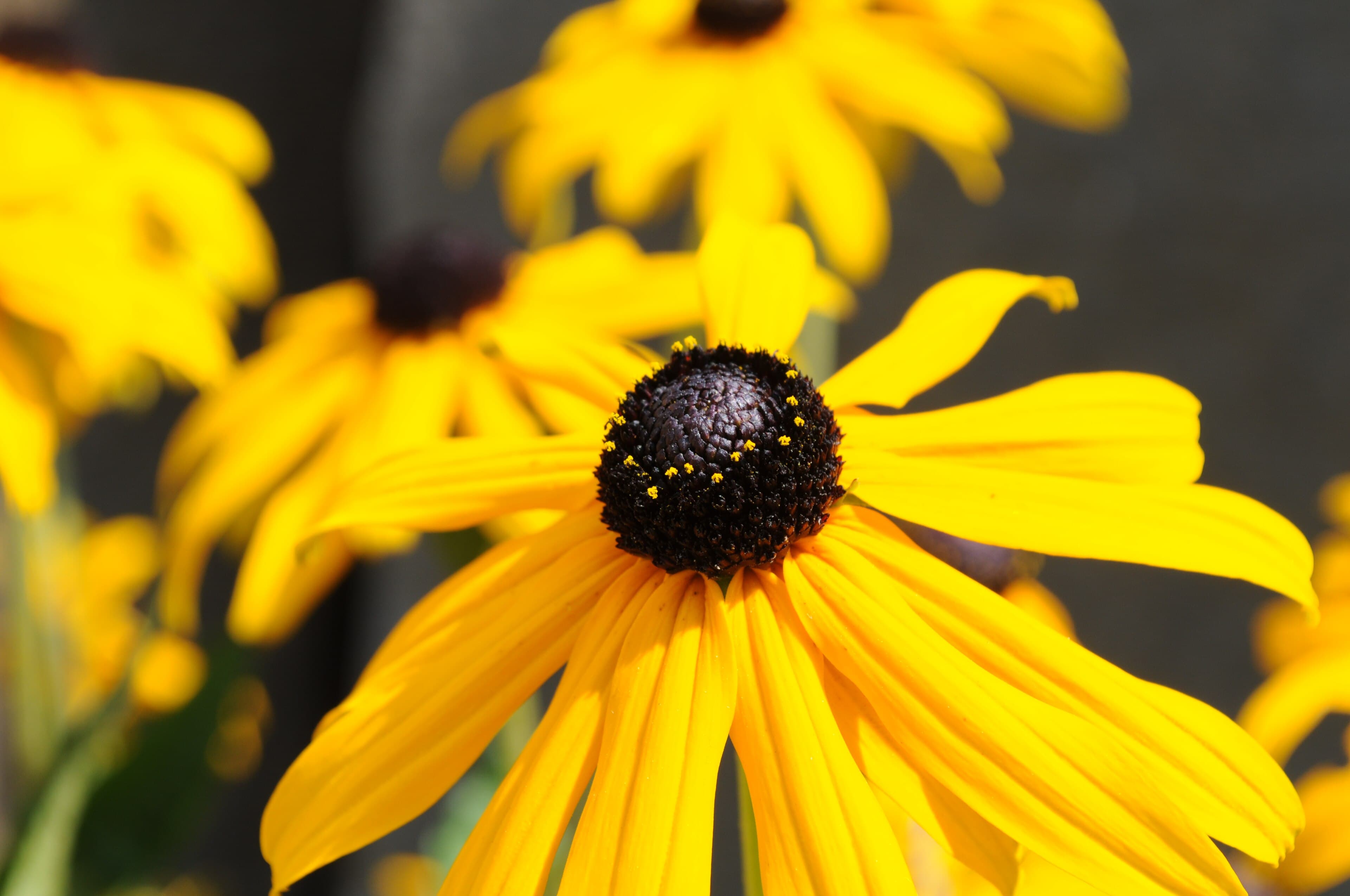
What to do this March
Rudbeckia 'Green Jewel' thrives in full sun or partial shade, making it adaptable to most garden positions. It tolerates a wide range of soil types—loam, clay, or sandy—but prefers ground that drains reasonably well while retaining some moisture. Before planting, dig over the soil to a spade's depth and work in a few handfuls of garden compost or well-rotted manure to improve structure and fertility, especially if your soil is heavy clay or very light sand. Plant container-grown specimens in March, April, May, September, or October. Avoid planting during frosty spells or when the ground is waterlogged. Dig a hole slightly wider than the root ball and to the same depth, so the top of the root ball sits level with the surrounding soil surface. Space plants 40 cm apart to allow for their mature spread of 30–45 cm and to ensure good air circulation, which helps prevent mildew. After planting, firm the soil gently around the roots to eliminate air pockets, then water thoroughly to settle the plant in. Apply a 5 cm layer of mulch—garden compost, leaf mould, or well-rotted manure—around the base, keeping it clear of the crown to prevent rot. This conserves moisture and suppresses weeds while the plant establishes. Water regularly during the first growing season, especially in dry weather, until the roots have spread into the surrounding soil. Spring plantings will usually flower the same summer; autumn plantings establish over winter and flower the following year.
Rudbeckia 'Green Jewel' requires minimal pruning, but a little attention keeps the plant tidy and vigorous. The main pruning window is in March or November, depending on your preference and garden style. Many gardeners leave the spent flower stems standing over winter—the seed heads provide food for finches and add structural interest when rimed with frost—then cut everything back in early March before new growth emerges. Alternatively, tidy the plant in November after flowering finishes and the foliage has died back, cutting all stems down to a basal rosette of leaves or to within 5–10 cm of ground level. Use clean, sharp secateurs or garden shears for the job. Remove all old flowering stems, cutting just above the emerging crown or new shoots if pruning in spring. Also remove any dead, damaged, or diseased foliage to reduce overwintering pests and fungal spores. If you prune in autumn, leave a few centimetres of stem as markers so you don't accidentally dig into the crown during winter cultivation. Deadheading during the flowering season—from summer into late summer—is optional with this variety. Removing spent blooms can encourage a few more flushes of the unusual lime-green flowers, but Rudbeckia 'Green Jewel' flowers freely without it. If you do deadhead, snip stems back to the first strong leaf or side shoot. The plant is herbaceous, so all top growth dies back naturally in autumn regardless of deadheading.