Caring for Endive
Complete guide — Cichorium endivia
endive needs low maintenance, a position in full sun or partial shade on loam and high water needs.
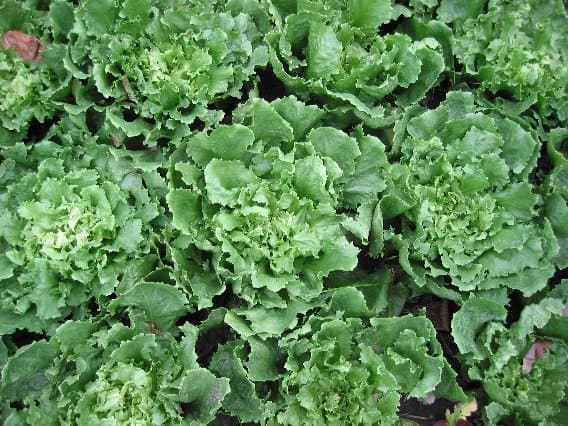
Position
full sun, partial shade
loam
high water needs
Feeding
Feed in June.
Year-round care
Endive has high water needs and performs best when the soil is kept consistently moist throughout the growing season. Water regularly, especially during dry spells in summer, aiming to provide at least 2–3 cm of water per week. In hot weather you may need to water every other day. Inconsistent watering can cause the leaves to become excessively bitter or trigger premature bolting, so try to maintain even soil moisture. Mulching with compost or well-rotted manure helps retain moisture and keeps roots cool. Feed endive once in June with a balanced liquid fertiliser or apply a top-dressing of pelleted poultry manure around the base of the plants. Avoid high-nitrogen feeds later in the season, as these can encourage lush, soft growth that is more prone to slug damage and rot. The initial soil preparation with compost usually provides sufficient nutrients for the relatively short growing period. Endive is generally low-maintenance but can suffer from a few common problems. Slugs and snails are the main pests, particularly on young plants and during damp weather. Use organic slug pellets, beer traps, or hand-pick in the evening. Aphids occasionally cluster on the leaves; wash them off with a jet of water or use an insecticidal soap if necessary. Downy mildew and lettuce root aphid can occur in wet conditions or on poorly drained soil—ensure good spacing and air flow to minimise risk. Endive is hardy to zone 5 and tolerates light frosts, which can actually improve flavour. Late-season crops sown in July or August will continue producing into October and sometimes beyond if protected with fleece or cloches during cold snaps.


