Feather Reed Grass in September: monthly care
Month-by-month care — Calamagrostis × acutiflora 'Karl Foerster'
In September your feather Reed Grass needs attention: plant / sow and watch the bloom.
- Plant / sow
- Blooms
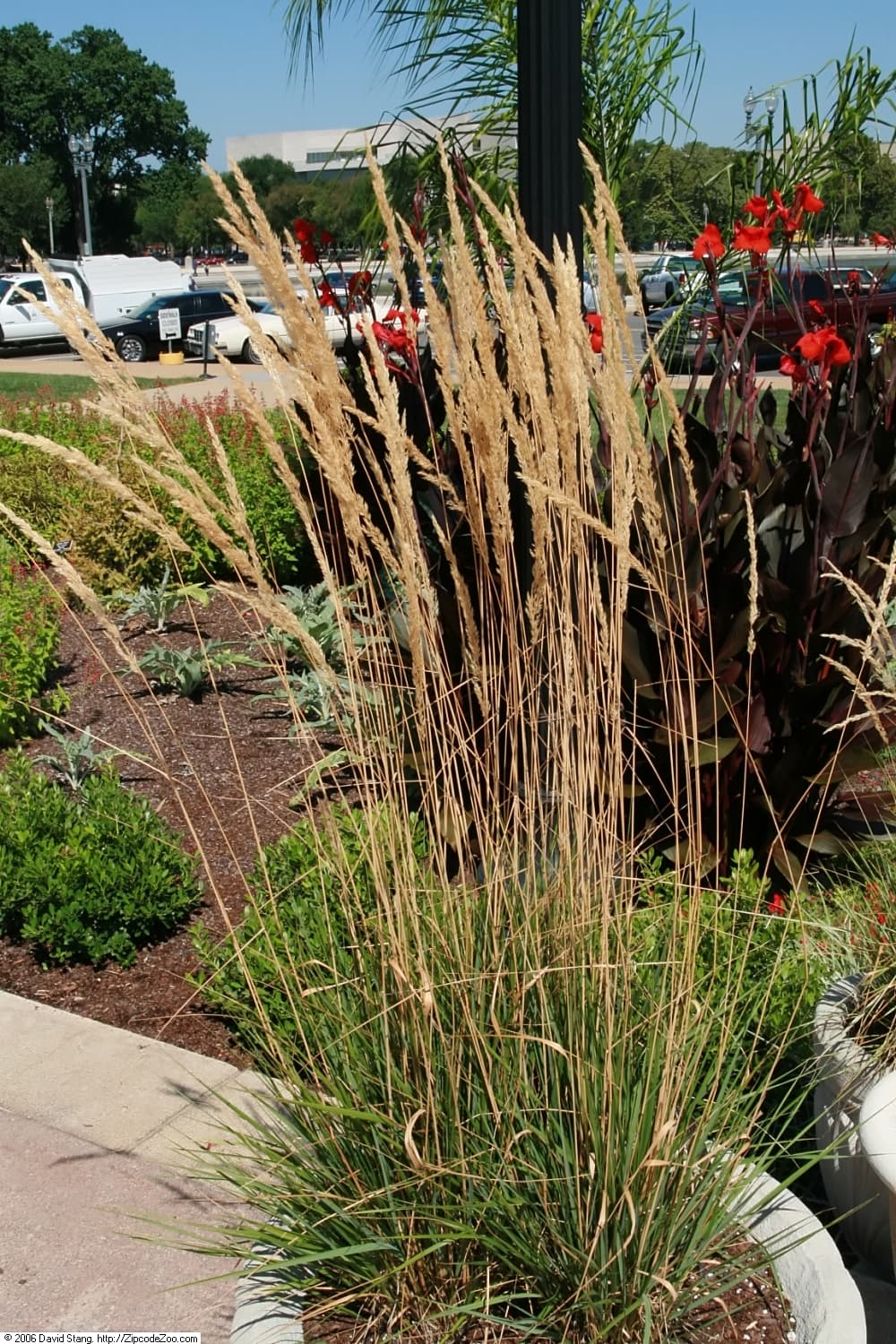
What to do this September
Feather reed grass thrives in full sun but tolerates partial shade, though flowering may be less prolific in shadier spots. It adapts to a wide range of soil types—loam, clay, or sandy—making it one of the more forgiving ornamental grasses. The key is reasonable drainage; while it copes with heavier clay better than many grasses, it won't tolerate waterlogged ground. Plant container-grown specimens in March, April, September, or October. Spring planting gives the grass a full growing season to establish, while autumn planting works well if the soil isn't too wet or cold. Dig a hole roughly twice the width of the root ball and the same depth. Break up any compacted soil at the base and sides of the hole to encourage roots to spread. If your soil is very heavy clay, work in some grit or coarse sand to improve drainage. On sandy soils, incorporate garden compost or well-rotted manure to boost moisture retention. Position the plant so the crown sits at the same level it was in the pot—planting too deep can lead to rot. Space plants 60 cm apart; 'Karl Foerster' will reach 50–70 cm wide, and adequate spacing ensures good air circulation and allows each clump to develop its upright, architectural form. Backfill with the excavated soil, firm gently with your heel, and water thoroughly to settle the roots. Apply a 5 cm layer of mulch around the base, keeping it clear of the crown itself, to suppress weeds and conserve moisture while the grass establishes.
Feather reed grass is low-maintenance once established. Water regularly during the first growing season to help roots settle in, especially in dry spells. After that, it has moderate water needs and tolerates short periods of drought, though growth and flowering are better with consistent moisture during summer. In very dry summers, water deeply every couple of weeks rather than little and often. Avoid overwatering; this grass dislikes sitting in wet soil, particularly in winter. Feed once a year in April with a balanced general-purpose fertiliser or a slow-release granular feed scattered around the base of the clump. A light dressing of garden compost or well-rotted manure in spring also works well. Avoid high-nitrogen feeds, which can cause lush, floppy growth that's prone to flopping. 'Karl Foerster' is naturally upright and self-supporting, but overfed plants may lose this tidy habit. This grass is fully hardy to zone 4a, so overwintering in temperate Europe is straightforward. Leave the foliage standing until March; it needs no protection. Mulch lightly around the base in autumn if you wish, but keep mulch away from the crown to prevent rot. Pests and diseases are rare. Occasionally, rust (orange or brown pustules on leaves) can appear in humid conditions, but it's seldom serious—remove affected foliage and ensure good air circulation. Slugs and snails generally ignore the tough foliage. Clumps remain vigorous for years without division, though you can lift and divide in spring if they become congested or you want more plants.