Pruning Fernleaf yarrow
When and how — Achillea filipendulina
Prune your fernleaf yarrow in March and November — the optimal month is usually November.
The next pruning window is November.
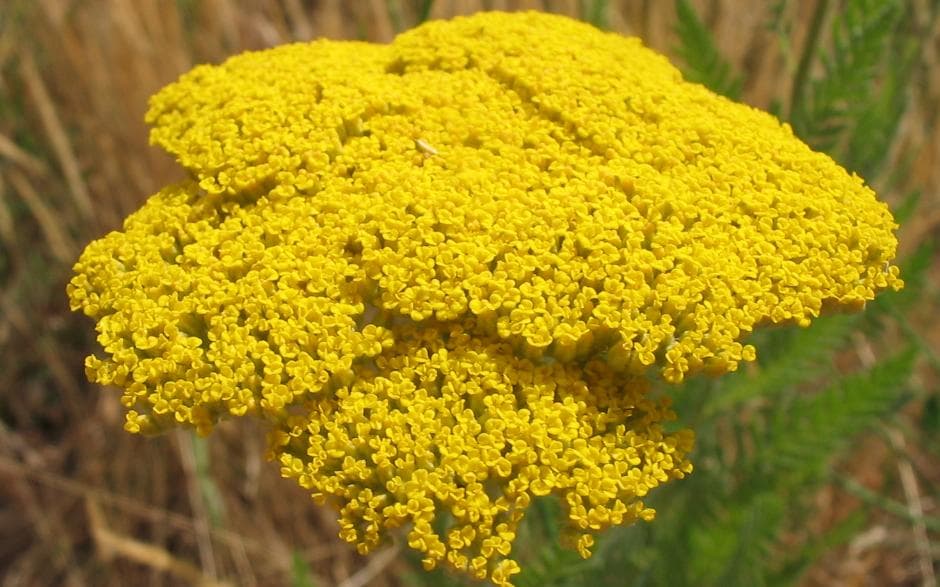
When to prune?
The perennial fernleaf yarrow is pruned in March and November.
With perennials, pruning is really seasonal management.
You don't prune perennials the way you prune shrubs. The work happens at three moments: (1) deadheading spent flower stems during the season to encourage repeat bloom, (2) optionally cutting back to about 10–15 cm above ground in late autumn, and (3) clearing all the old foliage in March before the new shoots emerge. Many gardeners now deliberately leave the old growth standing through winter — it protects the crown and shelters overwintering insects. Which approach to choose depends on taste and species: evergreen perennials (hellebore, bergenia) look better left alone, while wet-rotting species (hosta) need to come down after the first frost.
How to prune fernleaf yarrow
Goudduizendblad requires minimal pruning, but a couple of seasonal cuts will keep plants tidy and encourage better performance. The main pruning window is in March or November, depending on your preference and garden style. In November, once flowering has finished and the foliage begins to die back, you can cut the whole plant down to ground level, removing all spent stems and leaves. This tidies the border for winter and reduces the risk of fungal problems in damp weather. Alternatively, leave the dried flowerheads standing through winter—they provide structure, seed for birds, and shelter for beneficial insects—then cut back hard in March just as new basal growth emerges. Use clean, sharp secateurs or hedging shears for the job. Cut stems down to within 5–10 cm of the ground, just above the fresh shoots. Remove all old growth to the compost heap (goudduizendblad is not prone to persistent disease, so composting is safe). If you prefer a longer flowering season, deadhead spent blooms during summer by cutting stems back to a side shoot or basal foliage; this can stimulate a modest second flush of flowers in late summer, though it's not essential. Goudduizendblad can become congested after three or four years, leading to weaker flowering and die-back in the centre of the clump. Every three to four years in early spring (March or April), lift and divide mature clumps, replanting vigorous outer sections and discarding the woody centre. This rejuvenates the plant and maintains flowering quality.
Common mistakes
✗ Cutting back too early in spring
Late frost can still strike and the old foliage protects the crown. Wait until the first new shoots are visible (usually mid-March) — then you know the season has actually started.
✗ Skipping deadheading
Hardy geranium, salvia, lupin and delphinium will give a second flush if you cut spent stems back to just above a pair of healthy leaves as soon as the first flowers fade.
✗ Cutting ornamental grasses down in autumn
The dry stems are the whole point of winter interest, AND they protect the crown from frost and waterlogging. Cut down to a fist's height only in late February.
Hold off on pruning
Better to wait than prune at the wrong moment. The next optimal window is November. Until then: leave the plant alone — only remove dead or diseased wood (which you can do year-round).


