French marigold in June: monthly care
Month-by-month care — Tagetes patula
In June your french marigold needs attention: plant / sow and watch the bloom.
- Plant / sow
- Blooms
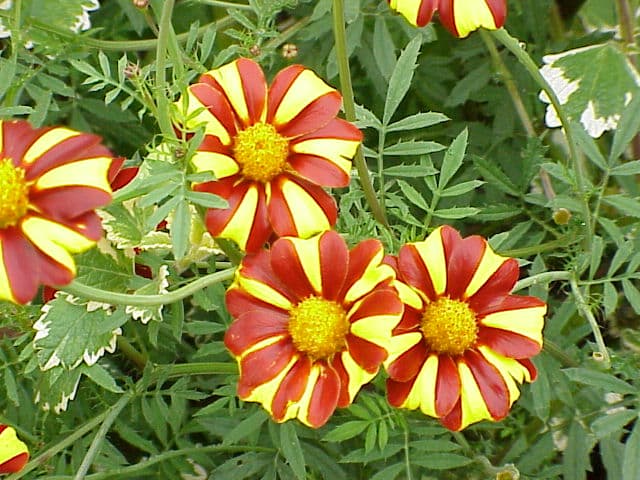
What to do this June
French marigolds are half-hardy annuals that cannot tolerate frost, so timing is crucial. Sow seed outdoors from late April onwards, once all risk of frost has passed and the soil has warmed to at least 10°C. In colder areas or for earlier flowers, start seed indoors in March or early April, sowing thinly in trays or modules at around 18–21°C. Germination usually takes five to seven days. Transplant seedlings outdoors in May or early June after hardening them off for a week. Choose a spot in full sun—French marigolds flower most prolifically with at least six hours of direct sunlight daily. They tolerate a wide range of soils but perform best in well-drained loam or sandy soil. Heavy clay can lead to root rot, so dig in plenty of grit or compost to improve drainage if necessary. The soil doesn't need to be especially fertile; in fact, overly rich ground encourages leafy growth at the expense of flowers. Prepare the bed by removing weeds and raking to a fine tilth. Sow seed thinly, covering with no more than 5 mm of soil—French marigold seed needs some light to germinate well. Space plants or thin seedlings to 20 cm apart to allow good air circulation and prevent mildew. If planting out pot-grown plants, set them at the same depth they were growing in their containers. Water gently after planting to settle the roots, but avoid waterlogging. A light mulch of compost around the base helps retain moisture and suppress weeds, but keep it clear of the stems to prevent rot. French marigolds establish quickly and usually begin flowering six to eight weeks after sowing.
French marigolds are low-maintenance once established and need only moderate watering. Water regularly during dry spells in summer, aiming for around 2–3 cm per week, but allow the soil surface to dry out between waterings. Overwatering or waterlogged soil encourages root rot and fungal problems. In wet summers, you may not need to water at all. Container-grown plants dry out faster and may need watering every couple of days in hot weather. Feeding is not necessary. French marigolds thrive in average to poor soil, and too much nitrogen produces lush foliage with few flowers. If your soil is very poor or plants are in pots, a single application of a balanced liquid feed in mid-summer can be beneficial, but avoid high-nitrogen fertilisers. Overwintering does not apply—French marigolds are annuals and will be killed by the first frost. Enjoy them from late spring until October or early November, then clear away the dead plants. Pests are generally few. Slugs and snails may nibble young seedlings in spring, so protect plants with grit, copper tape, or organic pellets until they are established. Aphids occasionally cluster on shoot tips; a strong jet of water or an insecticidal soap usually resolves the problem. Red spider mite can appear in hot, dry conditions, particularly on container plants—regular misting and adequate watering help prevent infestations. Diseases are rare if plants are well spaced and not overwatered. Powdery mildew can develop in crowded or humid conditions; remove affected leaves and improve air circulation. Botrytis (grey mould) may occur in prolonged wet weather—again, good spacing and prompt removal of dead flowers reduce the risk. A light mulch in early summer helps retain moisture and keeps roots cool, but keep mulch away from stems.