Hop in February: monthly care
Month-by-month care — Humulus lupulus
In February your hop needs attention: prune.
- Prune
What to do this February
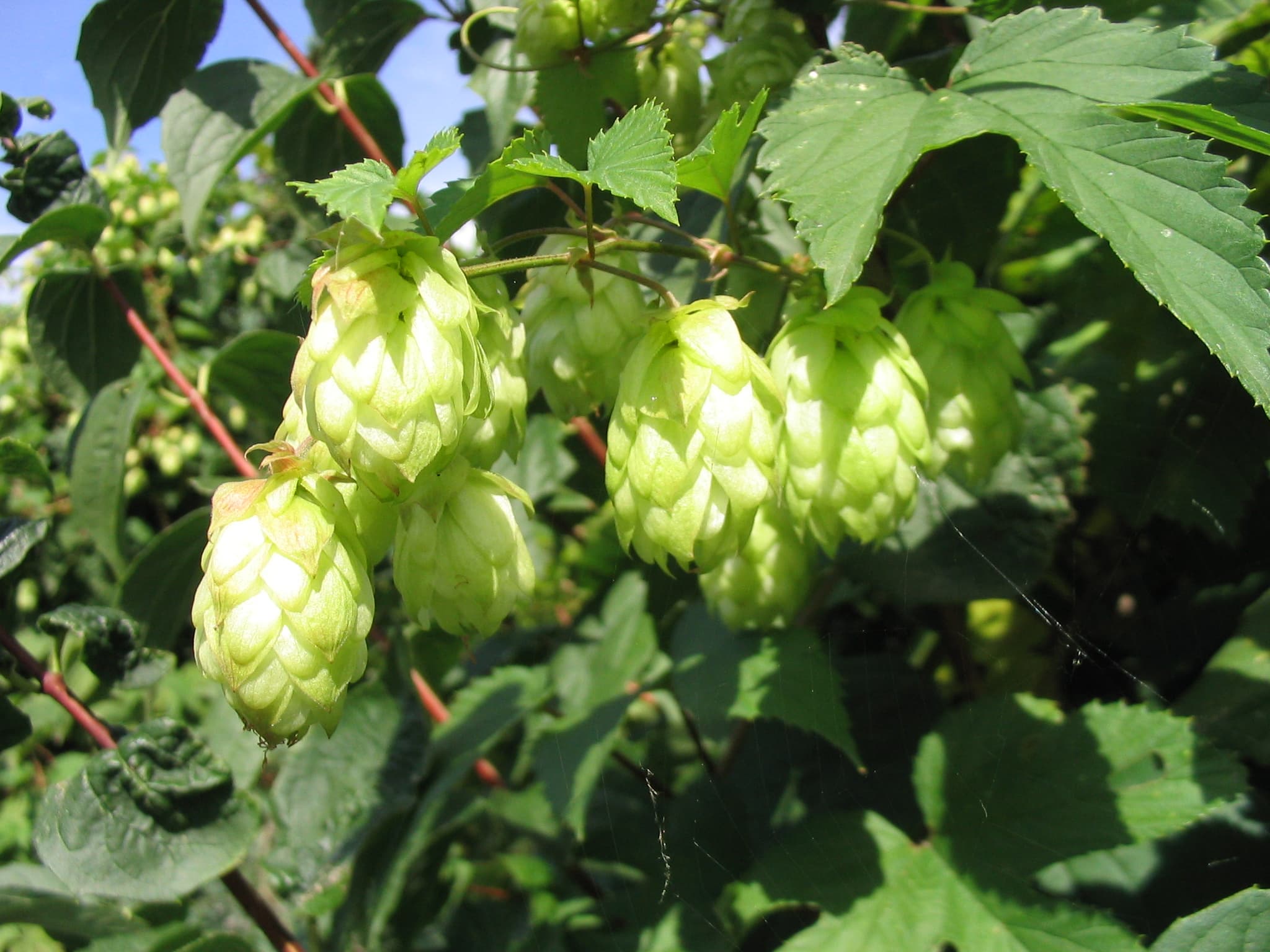
Hop pruning is straightforward but essential for healthy, productive plants. The main pruning happens in late autumn (November) or late winter (February). In November, once the foliage has been blackened by frost and the cones harvested, cut all the bines down to ground level, removing the entire season's growth. This prevents overwintering of pests and diseases and tidies the plant for winter. Alternatively, leave this job until February if you prefer the dried stems for winter interest or wildlife habitat, but complete the cut-back before new shoots emerge in early spring. Use sharp secateurs or loppers for thinner stems and a pruning saw for older, woodier bines. The stems can be tough and fibrous, so take care when pulling them down from supports—untangle carefully or cut into manageable sections. Dispose of or compost the old growth; if disease has been present, bin it rather than composting. In February, tidy the crown by removing any dead or damaged material and clearing away old mulch and debris to expose fresh soil. Hops also benefit from thinning in late spring. When the new bines reach 30–60 cm tall (usually May), select the three to six strongest shoots per plant and pinch or cut out the rest at ground level. This concentrates the plant's energy into fewer, more vigorous bines that will climb higher and produce better cones. Throughout summer, trim back any wayward side-shoots if the plant is encroaching where it shouldn't, but avoid heavy pruning during the growing season.