Hosta 'Gold Standard' in May: monthly care
Month-by-month care — Hosta 'Gold Standard'
In May your hosta 'Gold Standard' needs attention: plant / sow and fertilise.
- Plant / sow
- Fertilise
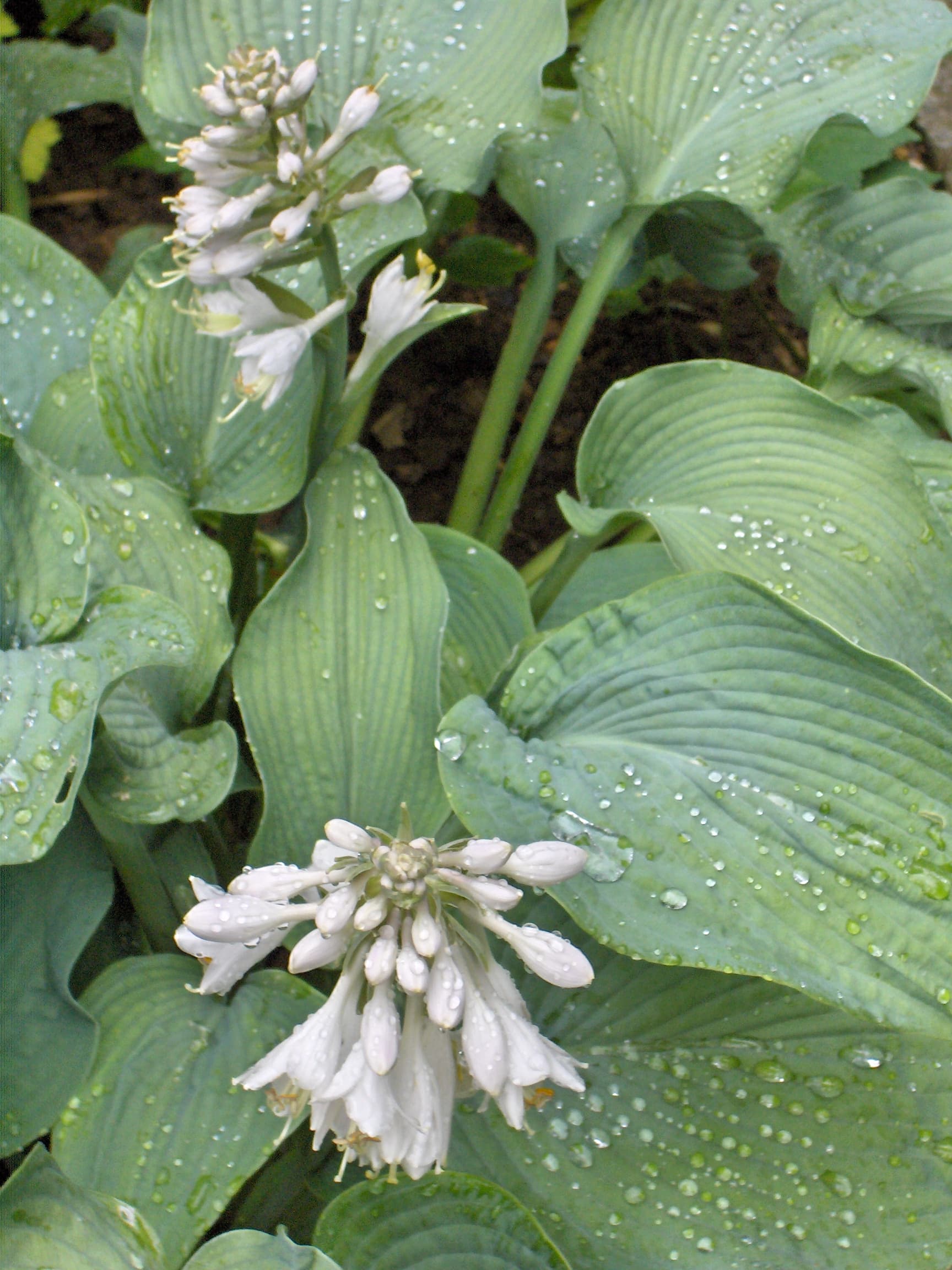
What to do this May
Hosta 'Gold Standard' thrives in partial or full shade, making it ideal for borders under trees, woodland gardens, or north-facing beds where many other perennials struggle. Avoid sunny spots, as strong sunlight can scorch the leaves and fade the distinctive gold colouring. The plant prefers loam or clay soil that holds moisture well but doesn't become waterlogged. Plant bare-root or potted hostas in March, April, or May for spring planting, or in September and October for autumn planting. Both windows work well, though spring gives the plant a full growing season to establish. Prepare the soil by digging in plenty of organic matter—garden compost or well-rotted manure—to improve structure and moisture retention, especially if your soil is heavy clay. Dig a planting hole roughly twice the width of the root ball and deep enough so the crown (where roots meet shoots) sits level with the surrounding soil surface. Space plants 60 cm apart to allow for their mature spread of 60–80 cm. Hostas form substantial clumps over time, so resist the temptation to plant closer. Backfill with the improved soil, firming gently to eliminate air pockets. Water thoroughly immediately after planting to settle the roots and ensure good soil contact. Apply a 5 cm layer of mulch—bark chips, leaf mould, or compost—around the base, keeping it clear of the crown itself. This conserves moisture, suppresses weeds, and provides a barrier that slugs and snails find less appealing. Keep the soil consistently moist through the first growing season while the root system establishes.
Hostas have moderate water needs and perform best when the soil stays consistently moist, particularly during dry spells in late spring and summer when the foliage is developing. Water deeply once or twice a week rather than little and often, soaking the root zone thoroughly. In autumn and winter, natural rainfall is usually sufficient. Avoid overhead watering if possible, as wet leaves encourage slug damage and fungal issues; water at the base instead. Feed in April, May, and June to support the lush foliage this cultivar is known for. A balanced general-purpose fertiliser or one higher in nitrogen works well—scatter granular feed around the base of the plant and water in, or use a liquid feed every few weeks. Stop feeding by midsummer; later applications encourage soft growth vulnerable to frost damage. Mulch annually in spring with a 5 cm layer of organic matter such as garden compost, leaf mould, or well-rotted manure. This conserves moisture, suppresses weeds, and slowly improves soil structure. Keep mulch away from the crown to prevent rot. Slugs and snails are the primary pest, particularly fond of hosta foliage. Use a combination of strategies: beer traps, copper tape around pots, organic slug pellets, or evening patrols with a torch. Vine weevil larvae can also damage roots; if plants wilt unexpectedly, check for grubs in the soil and treat with biological controls in late summer. Hosta 'Gold Standard' is fully hardy to zone 3, so overwintering in temperate Europe is straightforward. No protection is needed. The crown will sit dormant underground through winter, sending up fresh shoots in April. Mark the spot if you're likely to forget where it's planted.