Lemon in May: monthly care
Month-by-month care — Citrus limon
In May your lemon needs attention: plant / sow, fertilise and watch the bloom.
- Plant / sow
- Fertilise
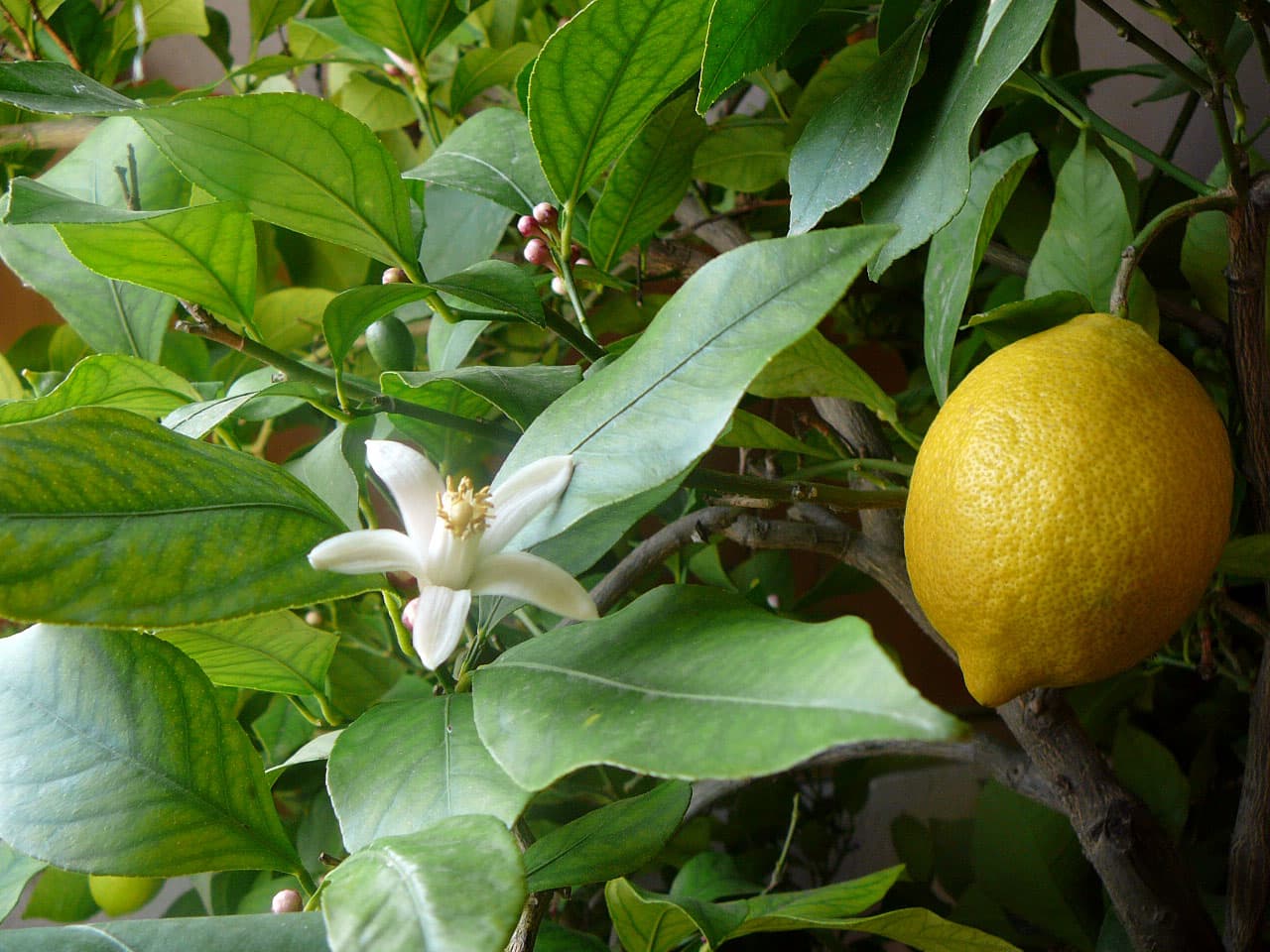
- Blooms
What to do this May
Lemon trees thrive in full sun and need a warm, sheltered position to perform well in temperate Europe. Because they are only hardy to zone 9a–11b, you'll almost certainly be growing your lemon in a large container rather than in open ground, allowing you to move it indoors over winter. Choose a pot at least 40–50 cm in diameter with excellent drainage holes. Use a loam-based compost such as John Innes No. 3, or a specialist citrus compost that offers good structure and drainage. Avoid peat-based mixes that stay too wet. If planting in open ground in a very mild, frost-free microclimate, prepare the site by digging in plenty of grit and organic matter to ensure the soil drains freely; lemons will not tolerate waterlogged roots. The best time to plant is March, April or May, once the risk of late frosts has passed and temperatures are reliably above 10 °C. If you're potting up a young plant, set it at the same depth it was growing in its nursery pot—never bury the graft union if your tree is grafted. Firm the compost gently and water thoroughly to settle the roots. Space container-grown lemons about 100 cm apart if you're grouping several on a patio, allowing air to circulate freely. After planting, water well and place the pot in the sunniest spot you have—ideally a south-facing wall or patio that radiates warmth. Avoid exposed positions; wind and cold draughts check growth and damage foliage. A layer of gravel or slate chippings on the compost surface helps retain moisture and keeps the root collar dry, reducing the risk of rot.
Lemons need consistent moisture but hate sitting in water. In spring and summer, water whenever the top 3–4 cm of compost feels dry—often every few days in hot weather. Water thoroughly until it runs from the drainage holes, then allow the pot to drain completely. In autumn and winter, when growth slows, reduce watering significantly; the compost should be barely moist. Overwatering in winter is the most common cause of root rot. Feed regularly from April through to August using a specialist citrus fertiliser, which provides the trace elements—especially iron and magnesium—that lemons need to avoid yellowing leaves. Follow the label instructions, typically every two weeks during the growing season. Stop feeding in autumn and winter. Because lemons are not hardy below zone 9a, you must bring container-grown plants indoors before the first frosts, usually by late October. Overwinter them in a cool, bright room, unheated greenhouse or conservatory where temperatures stay between 5–15 °C. Avoid warm living rooms; high temperatures and low light cause leaf drop. Ventilate on mild days to prevent fungal issues. Watch for scale insects, aphids and red spider mite, especially indoors where air is dry. Wipe leaves regularly with a damp cloth and treat infestations promptly with insecticidal soap or biological controls. Yellowing leaves often signal nutrient deficiency or overwatering; adjust feeding and watering accordingly. Mulch outdoor pots lightly with gravel to conserve moisture and keep roots cool in summer, but never pile organic mulch against the stem.
Lemons need consistent moisture but hate sitting in water. In spring and summer, water whenever the top 3–4 cm of compost feels dry—often every few days in hot weather. Water thoroughly until it runs from the drainage holes, then allow the pot to drain completely. In autumn and winter, when growth slows, reduce watering significantly; the compost should be barely moist. Overwatering in winter is the most common cause of root rot. Feed regularly from April through to August using a specialist citrus fertiliser, which provides the trace elements—especially iron and magnesium—that lemons need to avoid yellowing leaves. Follow the label instructions, typically every two weeks during the growing season. Stop feeding in autumn and winter. Because lemons are not hardy below zone 9a, you must bring container-grown plants indoors before the first frosts, usually by late October. Overwinter them in a cool, bright room, unheated greenhouse or conservatory where temperatures stay between 5–15 °C. Avoid warm living rooms; high temperatures and low light cause leaf drop. Ventilate on mild days to prevent fungal issues. Watch for scale insects, aphids and red spider mite, especially indoors where air is dry. Wipe leaves regularly with a damp cloth and treat infestations promptly with insecticidal soap or biological controls. Yellowing leaves often signal nutrient deficiency or overwatering; adjust feeding and watering accordingly. Mulch outdoor pots lightly with gravel to conserve moisture and keep roots cool in summer, but never pile organic mulch against the stem.