Pruning Lemon
When and how — Citrus limon
Prune your lemon in January, February and March — the optimal month is usually February.
The next pruning window is January next year.
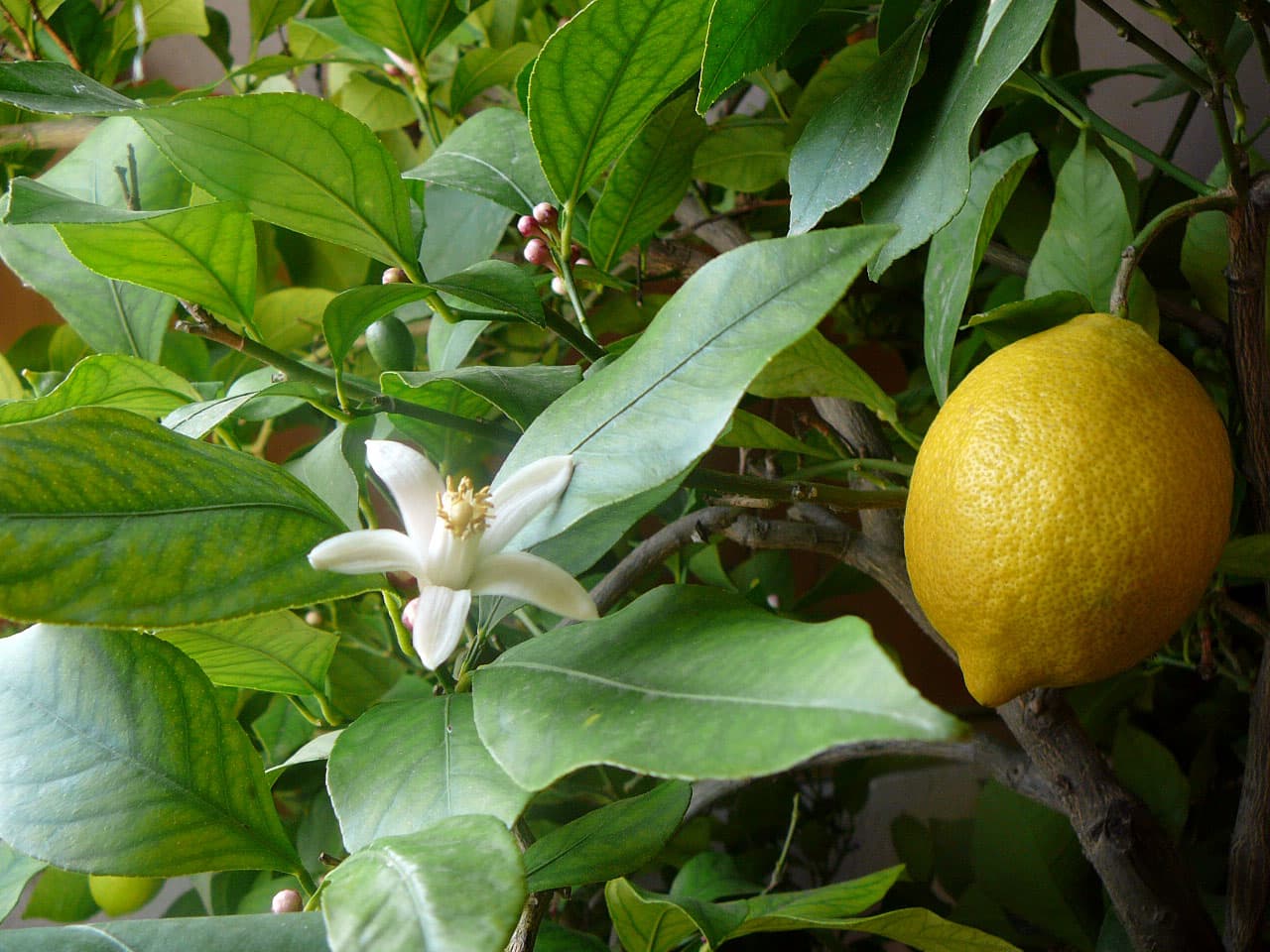
When to prune?
The shrub lemon is pruned in January, February and March.
Pruning time depends on when the shrub flowers.
The rule of thumb for ornamental shrubs: spring-flowering shrubs (forsythia, lilac, flowering currant) are pruned immediately after flowering, because they set their buds on last year's wood. Summer-flowering shrubs (buddleia, paniculata hydrangea, hardy hibiscus) are pruned in March, because they flower on wood produced this season. Get the timing wrong and you cut off this year's buds. Evergreen shrubs (yew, box) are best pruned around Midsummer (24 June): the first flush of growth is finished and the plant still has time to seal the wounds before winter.
How to prune lemon
Prune your lemon tree in January, February or March, while it is semi-dormant and before the main flush of spring growth begins. Pruning at this time minimises stress and allows the plant to put energy into new shoots and fruit production. You'll need clean, sharp secateurs and possibly loppers for thicker stems. Start by removing any dead, damaged or diseased wood, cutting back to healthy tissue. Then take out any crossing or rubbing branches that clutter the centre of the canopy; good air circulation reduces fungal problems and allows light to reach ripening fruit. Lemons fruit on the previous season's wood, so avoid heavy pruning that removes all young growth. Aim to create an open, balanced framework. Shorten wayward shoots by about one-third to encourage bushier growth, and trim back any long, leggy stems to maintain a compact shape—especially important if you're moving the tree in and out of a greenhouse or conservatory. Remove any suckers growing from below the graft union, as these will be rootstock rather than lemon and will sap the plant's energy. If your lemon has become very congested or overgrown, you can prune more heavily, but spread the work over two or three years to avoid shocking the plant. Light, regular pruning is far better than infrequent drastic cuts. After pruning, clear away all debris from the pot surface and give the foliage a gentle spray with water to remove dust and discourage pests. Feed lightly a few weeks later to support the new growth that follows.
Common mistakes
✗ Hard-pruning all hydrangeas in early spring
Mophead hydrangea (Hydrangea macrophylla) flowers on old wood — cut it back in March and you get no flowers. Paniculata flowers on new wood and can be cut back hard. Check the species first.
✗ Trimming everything to the same length
Looks 'chopped' and weakens the shrub. Instead, remove one in three of the oldest stems each year right down to the base (renewal pruning). This keeps the shrub vigorous and natural in shape.
✗ Pruning in summer heat
Fresh cuts dry out quickly in full sun and become an entry point for fungal disease. Wait for an overcast day or postpone until autumn.
Too late this year? Here's what to do
Better to wait than prune at the wrong moment. The next optimal window is January next year. Until then: leave the plant alone — only remove dead or diseased wood (which you can do year-round).


