Leopard plant 'The Rocket' in October: monthly care
Month-by-month care — Ligularia 'The Rocket'
In October your leopard plant 'The Rocket' needs attention: plant / sow and prune.
- Plant / sow
- Prune
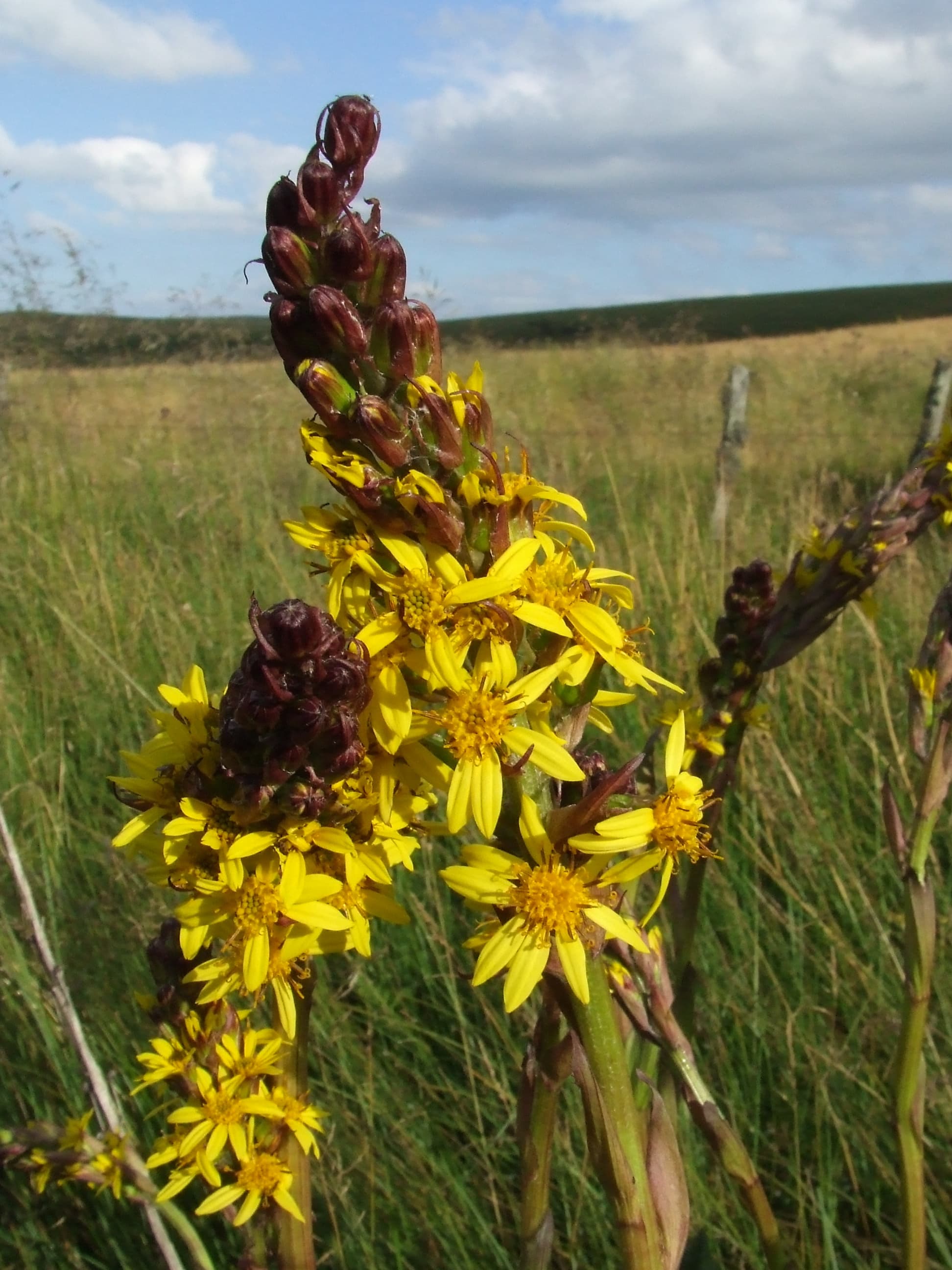
What to do this October
Ligularia 'The Rocket' thrives in partial shade or full sun, though in sunnier spots it demands consistently moist soil to prevent wilting. Choose a sheltered position away from strong winds, as the tall flower spikes and large leaves can be damaged by exposure. The plant performs best in heavy, moisture-retentive soils—loam or clay are ideal—so avoid dry, sandy ground. Plant from March to May or in September and October when the soil is workable and temperatures are mild. Prepare the site by digging in plenty of organic matter such as well-rotted manure or garden compost to improve moisture retention and fertility. Dig a planting hole roughly twice the width of the root ball and deep enough so the crown sits level with the surrounding soil surface. Space plants 75 cm apart to allow for their mature spread of 60–90 cm. After planting, firm the soil gently around the roots to eliminate air pockets, then water thoroughly to settle the plant in. Apply a 5–8 cm layer of organic mulch such as composted bark or leaf mould around the base, keeping it clear of the crown itself. This mulch will help retain moisture—critical for ligularia—and suppress weeds. In the first growing season, water regularly and generously, especially during dry spells, as establishing a strong root system depends on consistent moisture. If planting in full sun, be prepared to water even more frequently during summer. Staking is rarely necessary despite the height, provided the site is reasonably sheltered, but have canes ready if your garden is exposed.
Ligularia 'The Rocket' does not require regular pruning in the traditional sense, but it does benefit from seasonal tidying to keep it looking its best and to maintain plant health. The main task is cutting back spent flower stems and foliage in October or November, once flowering has finished and the leaves begin to die back naturally with the first frosts. Use clean, sharp secateurs or garden shears for the job. Cut the tall flower spikes down to ground level once they have faded and turned brown—this prevents the plant from putting energy into seed production and keeps the border tidy. The large, deeply toothed leaves will also collapse and blacken after frost; cut these back to just above ground level, removing all dead foliage. This autumn clear-up reduces the risk of slugs and snails overwintering in the decaying leaves and helps prevent fungal diseases taking hold in the crown over winter. During the growing season, deadheading individual spent flowers is not necessary, as the tall racemes of yellow blooms are produced on single spikes that are best left intact until autumn. However, if any leaves become damaged, scorched by sun, or disfigured by pests during summer, you can remove them at the base to improve appearance without harming the plant. Avoid cutting back healthy foliage before autumn, as the leaves are needed to feed the roots. Ligularia is a clump-forming perennial that does not need pruning to control size or shape; simply allow it to grow naturally and cut it down once a year in late autumn.