New England aster 'Purple Dome' in November: monthly care
Month-by-month care — Aster novae-angliae 'Purple Dome'
In November your new England aster 'Purple Dome' needs attention: prune and watch the bloom.
- Prune
- Blooms
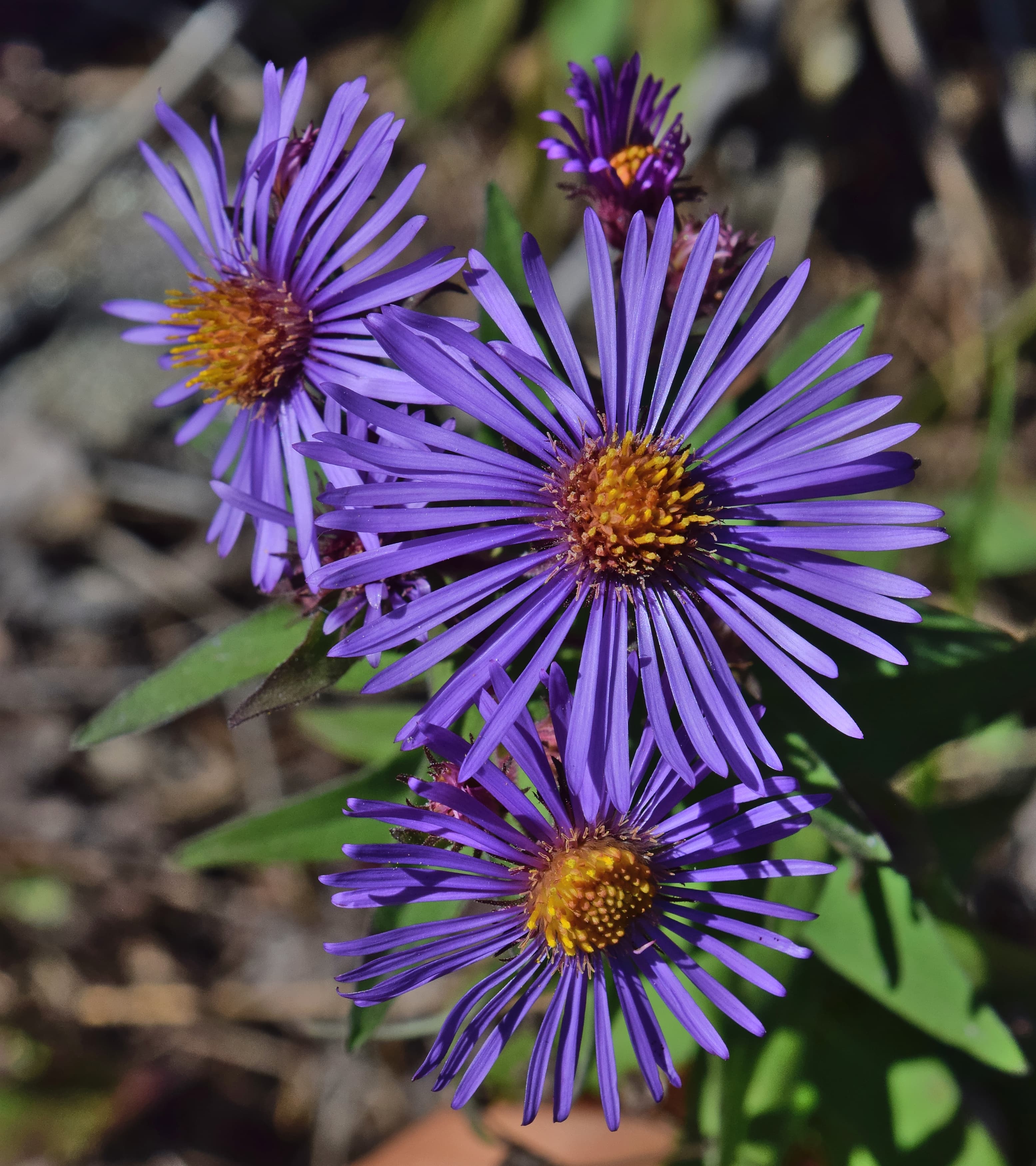
What to do this November
Aster 'Purple Dome' requires minimal pruning, but timely cutting back improves plant health and appearance. The main pruning window is in late autumn (November) after flowering finishes and the stems have died back, or in early spring (March or April) before new growth emerges. Many gardeners prefer to leave the dead stems standing over winter to provide structure in the border and shelter for overwintering insects, then cut back in March when the worst weather has passed. Use clean, sharp secateurs or garden shears to cut all stems down to ground level, removing the previous year's growth entirely. The plant will produce fresh basal foliage in spring. Dispose of or compost the old stems, though if mildew was present in autumn, it's safer to bin the material to avoid spreading spores. An optional technique—known as the Chelsea chop—can improve performance. In late May, cut back half the stems by about one-third of their height. This encourages bushier, more compact growth and can delay flowering slightly on the pruned stems, extending the overall display. 'Purple Dome' is naturally compact compared to taller New England asters, so this step is less critical but can be useful if your plant becomes leggy. Deadheading spent flowers during the blooming period in late summer and autumn is not essential for repeat flowering, as asters bloom in a single main flush, but removing faded blooms keeps the plant tidy and may marginally prolong the display by encouraging side shoots to open.
Water regularly during spring and summer, particularly in dry spells. Aster 'Purple Dome' has moderate water needs and performs best when the soil remains consistently moist but not waterlogged. In clay or loam soils with good organic matter, weekly deep watering is usually sufficient; in lighter soils or during hot weather, increase frequency. Reduce watering in autumn as growth slows and rainfall typically increases. Feed in April or May as new growth appears. Apply a balanced general-purpose granular fertiliser such as Growmore or blood, fish and bone around the base at the rate recommended on the packet, then water in. A second, lighter feed in early summer can boost flowering, but avoid high-nitrogen fertilisers after June, as these promote soft, leafy growth at the expense of flowers and increase susceptibility to mildew. Powdery mildew is the most common problem, especially in dry conditions or where air circulation is poor. White, powdery patches appear on leaves in late summer. Good spacing, mulching to retain soil moisture, and watering at the base rather than overhead all help prevent it. Affected plants usually recover without intervention. Slugs and snails may damage emerging shoots in spring; use your preferred control method if damage is severe. Refresh the mulch layer each spring with garden compost or well-rotted manure to suppress weeds, retain moisture and provide a slow-release nutrient boost. Aster 'Purple Dome' is fully hardy and needs no winter protection in zones 7–9. Clumps benefit from division every three to four years in spring to maintain vigour and flowering quality.