Pasque flower in October: monthly care
Month-by-month care — Pulsatilla vulgaris
In October your pasque flower needs attention: plant / sow.
- Plant / sow
What to do this October
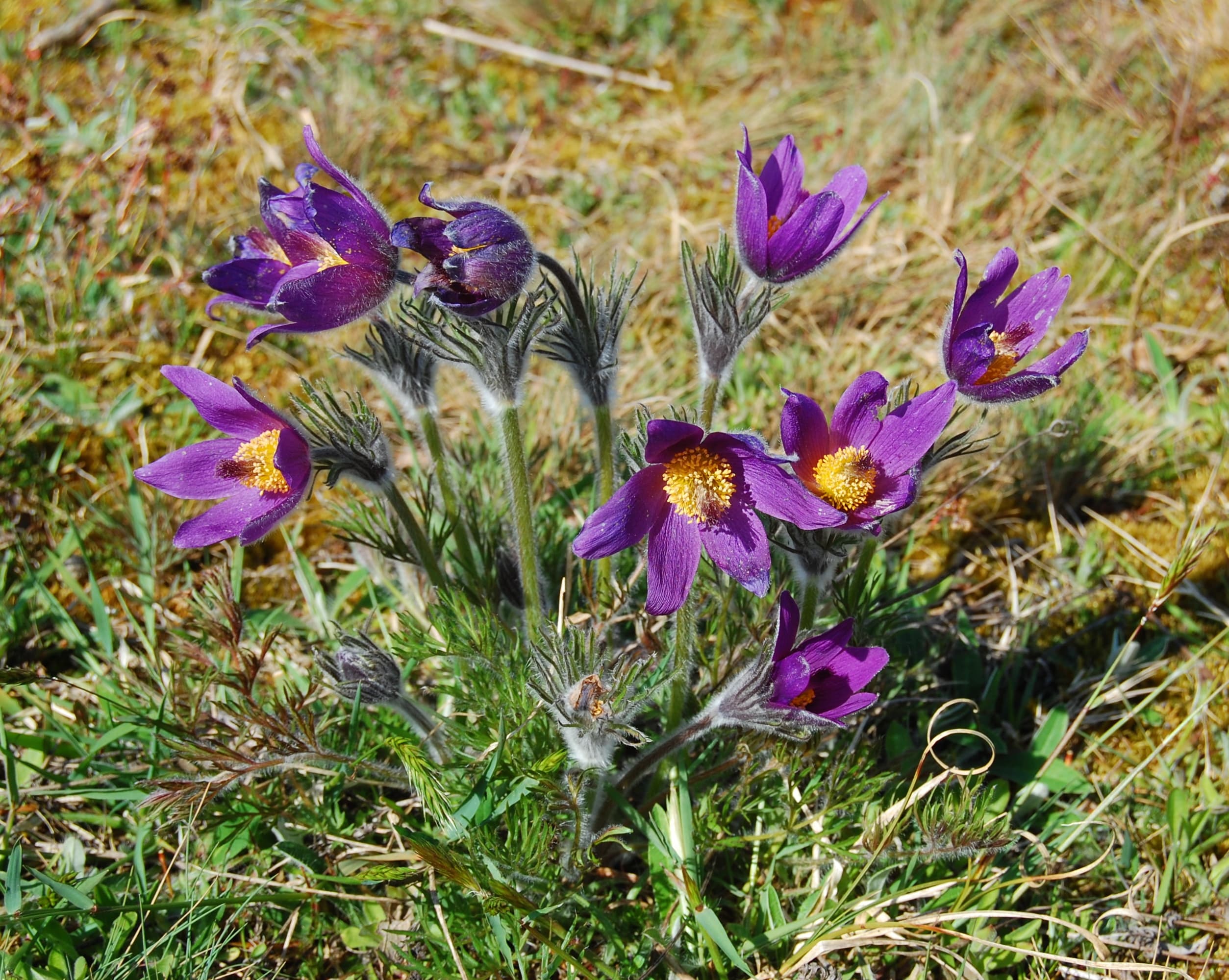
Pulsatilla vulgaris, commonly known as pasque flower, thrives in full sun and demands excellent drainage. Choose a spot that receives direct sunlight for most of the day—this plant will not tolerate shade or damp conditions. It performs best in sandy or chalky soils with a neutral to alkaline pH, mimicking its native chalk grassland habitat. If your soil is heavy clay, work in plenty of grit or coarse sand to improve drainage before planting. Plant in March, April, September, or October. Autumn planting is often preferable, giving roots time to establish before the following spring's flowering. Dig a hole slightly larger than the root ball and set the crown at soil level—planting too deep can lead to rot. Space plants 25 cm apart to allow for their mature spread of 20–30 cm. Pulsatilla resents root disturbance, so choose your site carefully; this is not a plant you'll want to move later. After planting, water in gently to settle the soil around the roots, but avoid saturating the area. A light top-dressing of grit around the crown helps keep the neck dry and prevents winter rot. Mulching with organic matter is unnecessary and can actually be detrimental, as it retains too much moisture. Once established, pasque flower is remarkably drought-tolerant and needs little intervention. The deep taproot makes it resilient but also means container-grown specimens should be planted out promptly. Handle young plants carefully to avoid damaging the delicate root system, and water sparingly until you see new growth.