Purple toadflax in July: monthly care
Month-by-month care — Linaria purpurea
In July your purple toadflax needs attention: watch the bloom.
- Blooms
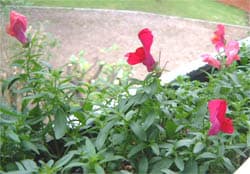
What to do this July
Once established, vlasleeuwenbek is a low-maintenance perennial that tolerates dry spells well. Water newly planted specimens regularly during their first growing season, but mature plants need watering only during prolonged dry periods in summer. Overwatering or waterlogged soil can lead to root rot, so err on the side of dryness, especially in winter. Feed lightly in April or May with a balanced general-purpose fertiliser or a handful of blood, fish, and bone scattered around the base of the plant. Avoid high-nitrogen feeds, which promote soft, leafy growth at the expense of flowers and can make stems flop. Vlasleeuwenbek is adapted to lean soils and doesn't need heavy feeding—in fact, too much fertility reduces flowering and shortens the plant's lifespan. Vlasleeuwenbek is fully hardy in zones 5–9 and needs no winter protection in temperate Europe. It's evergreen or semi-evergreen in mild winters, though foliage may die back in colder spells. A gravel mulch around the crown helps prevent winter wet from rotting the base, particularly on heavier soils. Pests are rarely a problem. Slugs and snails may nibble young growth in spring, but established plants are generally left alone. Powdery mildew can occasionally appear on foliage in dry summers with poor air circulation; remove affected leaves and avoid overhead watering. Self-seeding can be prolific—weed out unwanted seedlings in spring or autumn to prevent overcrowding.