Caring for Red valerian 'Albus'
Complete guide — Centranthus ruber 'Albus'
red valerian 'Albus' needs low maintenance, a position in full sun or partial shade on sandy soil / loam / chalky soil and low water needs.
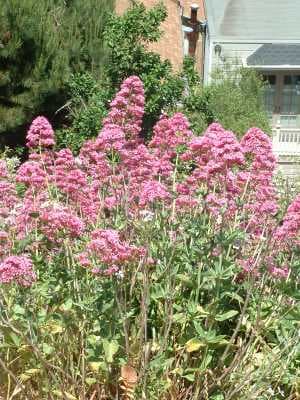
Position
full sun, partial shade
sandy soil, loam, chalky soil
low water needs
Feeding
Feed in April and May.
Year-round care
Once established, Centranthus ruber 'Albus' is a low-maintenance perennial that tolerates neglect and dry conditions remarkably well. Water sparingly—only during prolonged dry spells in summer, and even then, established plants often manage without help. Overwatering or planting in poorly drained soil encourages root rot and reduces flowering, so err on the side of dryness. Feed lightly in April or May with a general-purpose granular fertiliser or a handful of blood, fish and bone scattered around the base. Avoid high-nitrogen feeds, which produce lush foliage at the expense of flowers. On poor, chalky or stony soils, Centranthus actually flowers more profusely with minimal feeding—rich soil can make growth soft and floppy. If your plant is thriving, you can skip feeding altogether. This perennial is fully hardy in zones 5–9 and needs no special winter protection in temperate Europe. The old stems die back naturally, and new shoots emerge from the crown in spring. A gravel mulch year-round helps with drainage and keeps the crown dry, which is more important than warmth. Pests are rarely a problem. Aphids occasionally cluster on young shoots in spring; a strong jet of water or a spray of soapy water usually deals with them. Slugs and snails generally leave the foliage alone. Powdery mildew can appear on leaves in late summer, especially in dry conditions, but it's mostly cosmetic—good air circulation and the August prune help minimise it. Root rot is the main risk, caused by winter wet in heavy soil, so drainage is your priority throughout the year.


