Harvesting Ribwort plantain
When and how — Plantago lanceolata
Harvest ribwort plantain in April, May, June, July and August — the main harvest usually falls in June.
The next harvest is April next year.
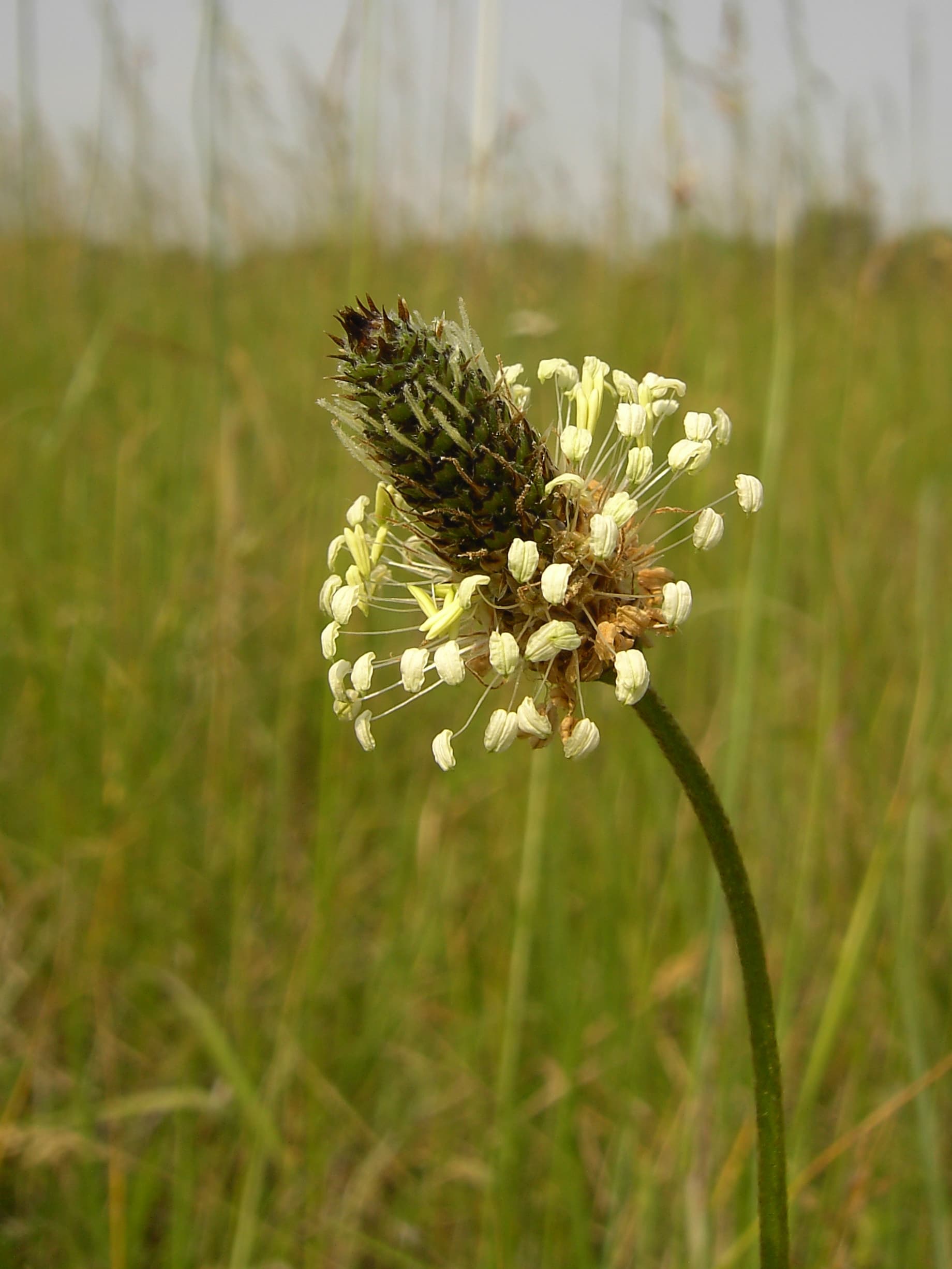
How to harvest ribwort plantain
Narrow-leaved plantain is exceptionally low-maintenance once established. Its water needs are low, and it tolerates drought well, making it ideal for dry gardens or areas with free-draining soil. In most years, rainfall alone will suffice. Water newly planted specimens during prolonged dry spells in their first season, but after that, irrigation is rarely necessary. In fact, overwatering or planting in heavy, waterlogged soil can lead to root rot. Feeding is not required. Plantain thrives in poor to moderately fertile soil, and adding fertiliser can encourage lush, soft growth that is more prone to disease and less useful if you're harvesting the leaves for herbal use. The plant is fully hardy to zone 3, so overwintering presents no challenges in temperate Europe. The foliage often remains green through mild winters, though it may die back partially in colder spells. No protection is needed. Pests and diseases are uncommon. Plantain is generally trouble-free, though powdery mildew can occasionally appear on the leaves in hot, dry summers with poor air circulation. If this occurs, remove affected leaves and ensure plants aren't overcrowded. Slugs and snails may nibble young leaves in spring but rarely cause serious damage. Mulching is optional. A light gravel mulch can help suppress weeds around young plants, but established plantain rosettes are dense enough to outcompete most weeds on their own. If you're growing plantain in a wilder part of the garden or as part of a meadow planting, no mulch is necessary at all.


