Rose 'Iceberg' in October: monthly care
Month-by-month care — Rosa 'Iceberg'
In October your rose 'Iceberg' needs attention: plant / sow and watch the bloom.
- Plant / sow
- Blooms
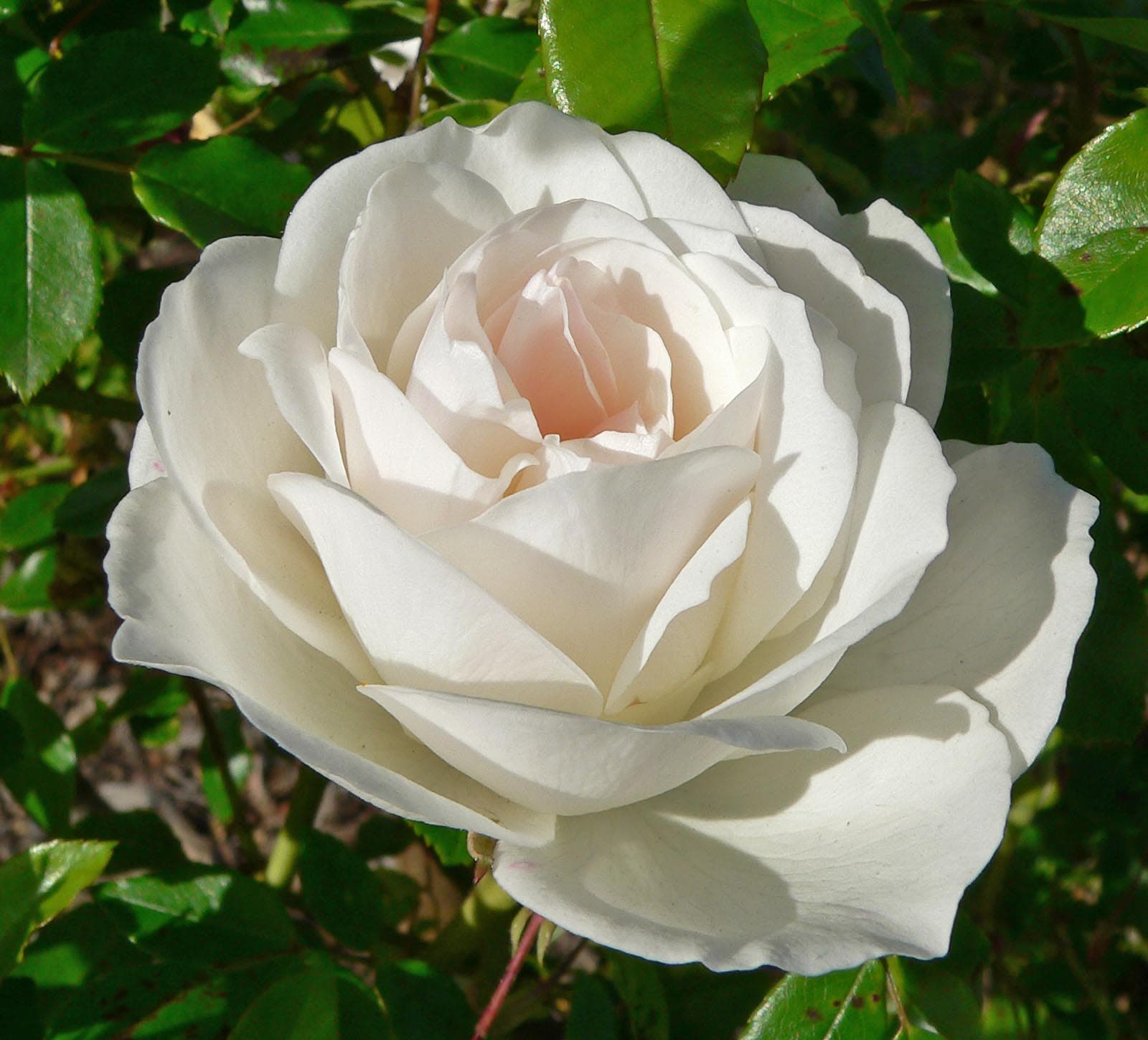
What to do this October
Rose 'Iceberg' thrives in full sun and tolerates a wide range of soils, but performs best in loam or clay soil that retains moisture without becoming waterlogged. Choose a site with good air circulation to reduce the risk of fungal diseases, and avoid planting in frost pockets or areas shaded by buildings or large trees. Prepare the soil thoroughly before planting. Dig a hole roughly 40 cm wide and 40 cm deep, breaking up the base to encourage root penetration. Work in plenty of well-rotted manure or garden compost to improve structure and fertility, especially if your soil is poor or sandy. If planting in heavy clay, incorporate grit or sharp sand to improve drainage. Plant bare-root roses in March, April, October or November when the soil is workable and not frozen. Container-grown plants can go in at any time during these months, though autumn planting allows roots to establish over winter. Position the rose so that the graft union (the knobbly swelling at the base of the stems) sits just below soil level—about 2–3 cm beneath the surface. This protects the graft from frost and encourages strong shoots from the base. Space plants 100 cm apart to allow for their mature spread of 80–120 cm and to ensure good airflow. Backfill the hole, firming the soil gently with your heel to eliminate air pockets. Water thoroughly after planting, even if the soil feels damp, to settle roots in. Apply a 5 cm layer of well-rotted manure or compost as mulch around the base, keeping it clear of the stems to prevent rot.
Rose 'Iceberg' has moderate water needs. Water deeply once or twice a week during dry spells in spring and summer, soaking the root zone rather than wetting the foliage, which encourages fungal problems. In autumn and winter, rainfall is usually sufficient unless conditions are exceptionally dry. Mulch in early spring with well-rotted manure or compost to conserve moisture, suppress weeds and feed the soil as it breaks down. Feed in March as growth begins, using a balanced rose fertiliser or general-purpose granular feed such as blood, fish and bone, scattering it around the base and watering in. Apply a second feed in June after the first flush of flowers to sustain the plant through its long flowering period. Avoid feeding after mid-summer, as soft late growth is vulnerable to frost damage. 'Iceberg' is fully hardy in zones 5–9 and requires no special winter protection in temperate Europe. In exposed gardens, a mulch layer helps insulate roots during hard frosts. Remove fallen leaves and debris from around the base in autumn to reduce overwintering of blackspot spores. Blackspot, powdery mildew and rust are the most common problems. 'Iceberg' has reasonable disease resistance but can still be affected in humid summers or crowded plantings. Remove and bin infected leaves promptly—never compost them. Aphids often cluster on soft new shoots in spring; squash by hand or spray with water. Encourage natural predators like ladybirds and hoverflies. This is a high-maintenance rose that rewards regular attention with months of prolific white blooms, but it does demand consistent feeding, deadheading and vigilance against pests and diseases.