Caring for Russian sage 'Blue Spire'
Complete guide — Perovskia atriplicifolia 'Blue Spire'
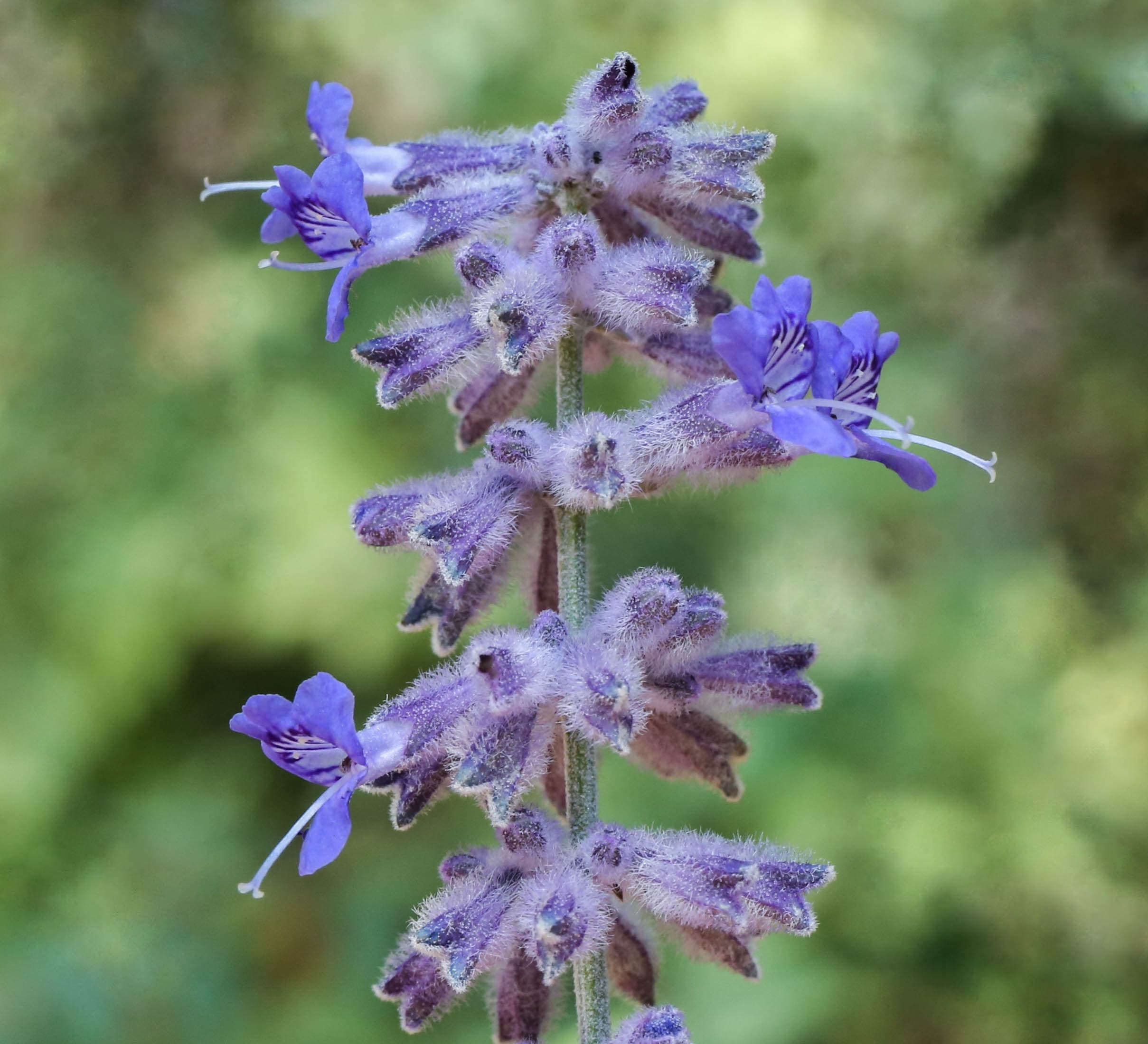
russian sage 'Blue Spire' needs low maintenance, a position in full sun on sandy soil / loam / chalky soil and low water needs.
Position
full sun
sandy soil, loam, chalky soil
low water needs
Feeding
Feed in April and May.
Year-round care
Russian sage is a low-maintenance perennial once established, but it does have specific needs. Water newly planted specimens regularly through their first summer to help roots settle in, then reduce watering significantly. Established plants have low water requirements and tolerate drought well; in fact, overwatering is one of the few ways to kill them. In a typical British summer, rainfall is usually sufficient. Only water during prolonged dry spells, and even then, sparingly. Feed lightly in April or May with a general-purpose granular fertiliser, but use no more than half the recommended rate. Russian sage evolved in poor, stony soils and too much nitrogen produces soft, floppy growth prone to collapse. A single light spring feed is enough; avoid feeding later in the season, as this encourages late, frost-tender growth. On very poor soils, you can skip feeding altogether without harm. This plant is fully hardy in zones 5–9 and needs no winter protection in temperate Europe. Leave the stems standing until spring; they provide some frost protection for the crown and look attractive when rimmed with frost. Avoid cutting back in autumn, as this can encourage premature sprouting vulnerable to cold damage. Pests are rarely a problem. Russian sage's aromatic foliage deters most insects, and deer and rabbits generally avoid it. Powdery mildew can appear in humid conditions or where air circulation is poor, showing as white patches on leaves. Improve spacing and avoid overhead watering. Root rot is the main risk, caused by poor drainage or overwatering, so ensure the soil stays on the dry side, especially in winter.


