Caring for Sage
Complete guide — Salvia officinalis
sage needs low maintenance, a position in full sun on sandy soil / loam / chalky soil and low water needs.
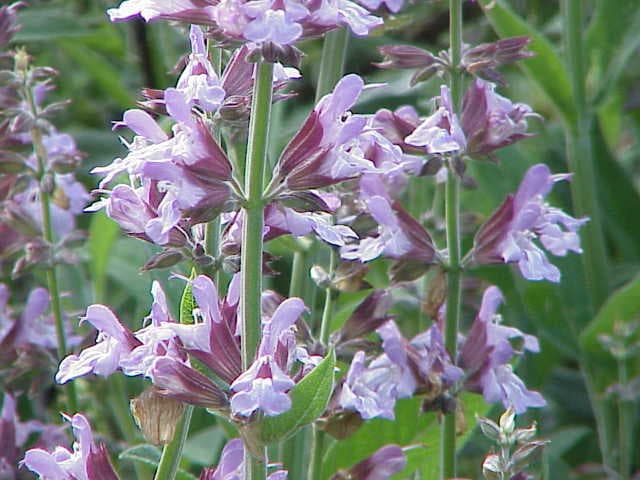
Position
full sun
sandy soil, loam, chalky soil
low water needs
Feeding
Feed in April.
Year-round care
Sage is a low-maintenance herb once established. Water sparingly, only during prolonged dry spells in summer, as sage tolerates drought well and dislikes wet roots. In autumn and winter, avoid watering altogether unless the plant is in a container, in which case water very occasionally to prevent the compost drying out completely. Overwatering in cold, wet months is the most common cause of root rot and plant death. Feed lightly in April with a general-purpose granular fertiliser or a handful of blood, fish, and bone scattered around the base. Sage grows naturally on poor, stony soils and does not need rich feeding. Over-fertilising produces lush, soft growth with less flavour and reduced hardiness. A single spring feed is sufficient for the entire year. Sage is hardy in zones 5–9 and overwinters outdoors in temperate Europe without protection. However, it dislikes sitting in cold, wet soil, so ensure drainage remains good through winter. In heavy clay areas or very exposed sites, consider growing sage in a raised bed or container that can be moved to a sheltered spot. Evergreen foliage can be harvested year-round, though growth slows in winter. Sage is generally trouble-free but can occasionally suffer from powdery mildew in humid conditions or if air circulation is poor. Thin out congested growth and avoid overhead watering. Capsid bugs may cause distorted leaves in summer; pick off affected growth. Rosemary beetle, which also feeds on sage, can be removed by hand. Mulch is rarely needed, but a gravel mulch around Mediterranean herbs like sage can improve drainage and reflect warmth.


