Pruning Siebold's hosta
When and how — Hosta sieboldiana
Prune your siebold's hosta in March and November — the optimal month is usually November.
The next pruning window is November.
When to prune?
The perennial siebold's hosta is pruned in March and November.
With perennials, pruning is really seasonal management.
You don't prune perennials the way you prune shrubs. The work happens at three moments: (1) deadheading spent flower stems during the season to encourage repeat bloom, (2) optionally cutting back to about 10–15 cm above ground in late autumn, and (3) clearing all the old foliage in March before the new shoots emerge. Many gardeners now deliberately leave the old growth standing through winter — it protects the crown and shelters overwintering insects. Which approach to choose depends on taste and species: evergreen perennials (hellebore, bergenia) look better left alone, while wet-rotting species (hosta) need to come down after the first frost.
How to prune siebold's hosta
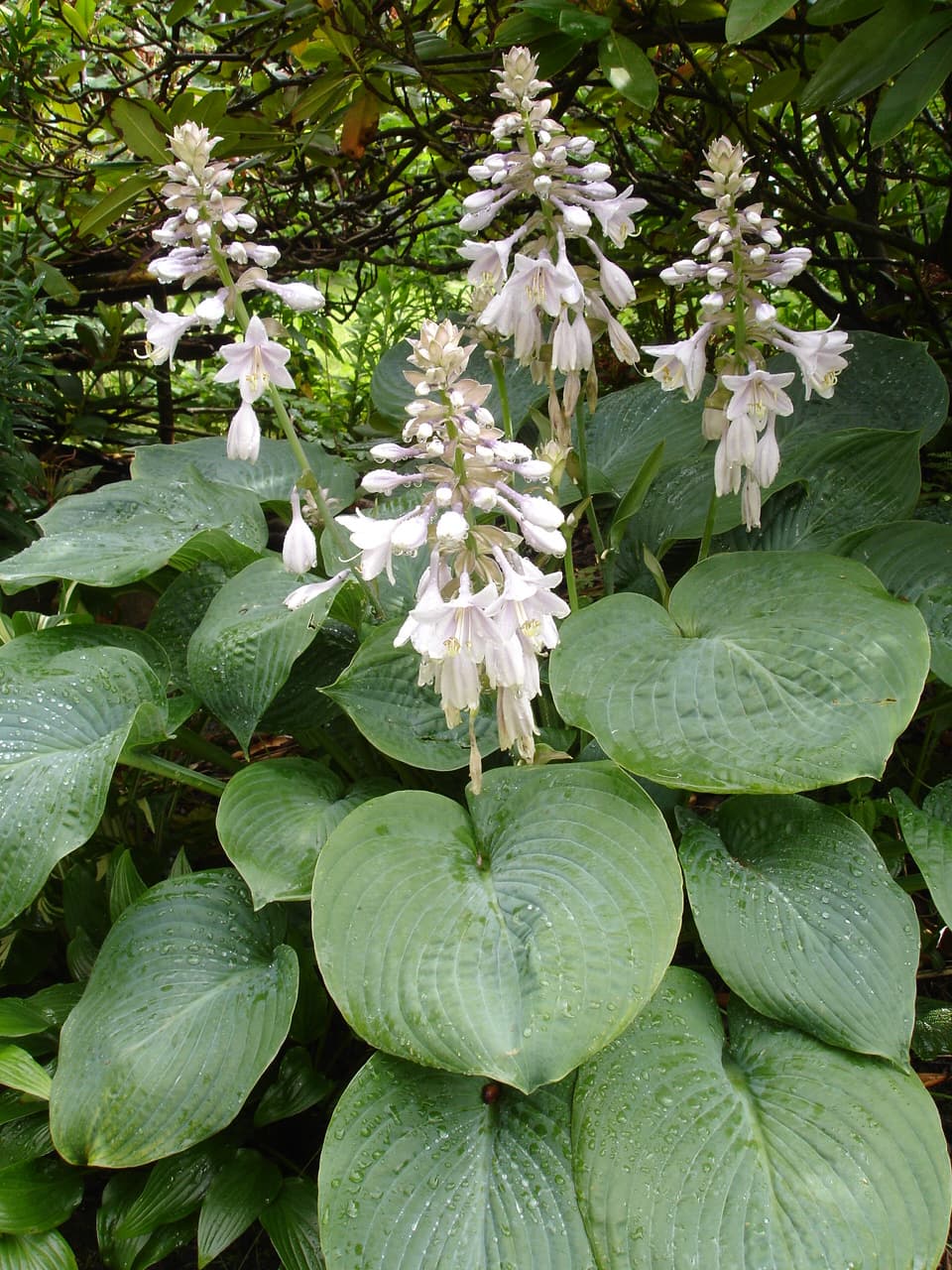
Hosta sieboldiana requires very little pruning in the traditional sense, but it does benefit from regular tidying to keep it looking its best and to maintain plant health. The main pruning windows are March and November, and the tasks differ slightly between these periods. In November, after the first frosts have blackened the foliage, cut back all the leaves to ground level. Use clean secateurs or garden shears and remove the entire leaf clump, leaving just the crown at soil level. This autumn tidy-up prevents slug eggs and fungal spores from overwintering in the decaying foliage, and it keeps the garden looking neat through winter. If you prefer, you can wait until early March to cut back the old foliage, especially if you garden in a colder area; the dead leaves provide a small amount of insulation for the crown. However, clear away all debris before new shoots emerge in spring, as slugs and snails hide beneath old leaves and will quickly attack fresh growth. Throughout the flowering season in early summer, remove spent flower stems once the white blooms have faded. Cut the entire stem down to the base; this isn't essential for the plant's health but improves appearance and prevents energy being wasted on seed production. If any leaves become damaged, tatty, or diseased during the growing season, snip them off at the base. No other pruning is necessary—hostas naturally form tidy, architectural clumps without any shaping or cutting back during active growth.
Common mistakes
✗ Cutting back too early in spring
Late frost can still strike and the old foliage protects the crown. Wait until the first new shoots are visible (usually mid-March) — then you know the season has actually started.
✗ Skipping deadheading
Hardy geranium, salvia, lupin and delphinium will give a second flush if you cut spent stems back to just above a pair of healthy leaves as soon as the first flowers fade.
✗ Cutting ornamental grasses down in autumn
The dry stems are the whole point of winter interest, AND they protect the crown from frost and waterlogging. Cut down to a fist's height only in late February.
Hold off on pruning
Better to wait than prune at the wrong moment. The next optimal window is November. Until then: leave the plant alone — only remove dead or diseased wood (which you can do year-round).


