Harvesting Summer savory
When and how — Satureja hortensis
Harvest summer savory in July, August and September — the main harvest usually falls in August.
The next harvest is July next year.
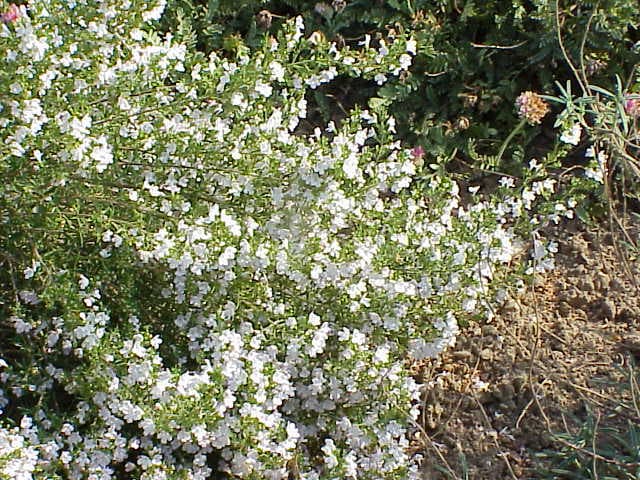
How to harvest summer savory
Summer savory is a low-maintenance herb that asks very little once established. Its native habitat is dry, rocky Mediterranean hillsides, so it has low water and nutrient needs and thrives on neglect rather than cosseting. Water sparingly. After the initial watering at planting time, summer savory rarely needs supplementary irrigation except during prolonged dry spells. Even then, water only when the soil surface is completely dry, and avoid wetting the foliage. Overwatering encourages root rot and dilutes the essential oils that give the herb its peppery flavour. Sandy and chalky soils drain freely and suit it perfectly. Feeding is not necessary. The database specifies no feeding months, and this reflects the plant's preference for lean conditions. Avoid fertilisers entirely—they promote soft, lush growth that lacks flavour and is more prone to aphid attack and fungal disease. Summer savory is not hardy and will not survive winter frosts. It completes its life cycle between late spring and autumn, so there is no overwintering to manage. Simply pull up spent plants in October and add them to the compost heap, then sow fresh seed the following May. Pests and diseases are rarely a problem. Occasionally aphids cluster on the soft growing tips in hot, dry weather; a strong jet of water or a spray of dilute washing-up liquid usually deals with them. Powdery mildew can appear in humid conditions if plants are too close together, so ensure good spacing and air flow. Avoid overhead watering, especially late in the day. Mulching is not recommended. Keep the soil surface clear to promote the dry conditions summer savory prefers and to reduce the risk of stem rot at the base.


