Sweet pea in April: monthly care
Month-by-month care — Lathyrus odoratus
In April your sweet pea needs attention: plant / sow and watch the bloom.
- Plant / sow
- Blooms
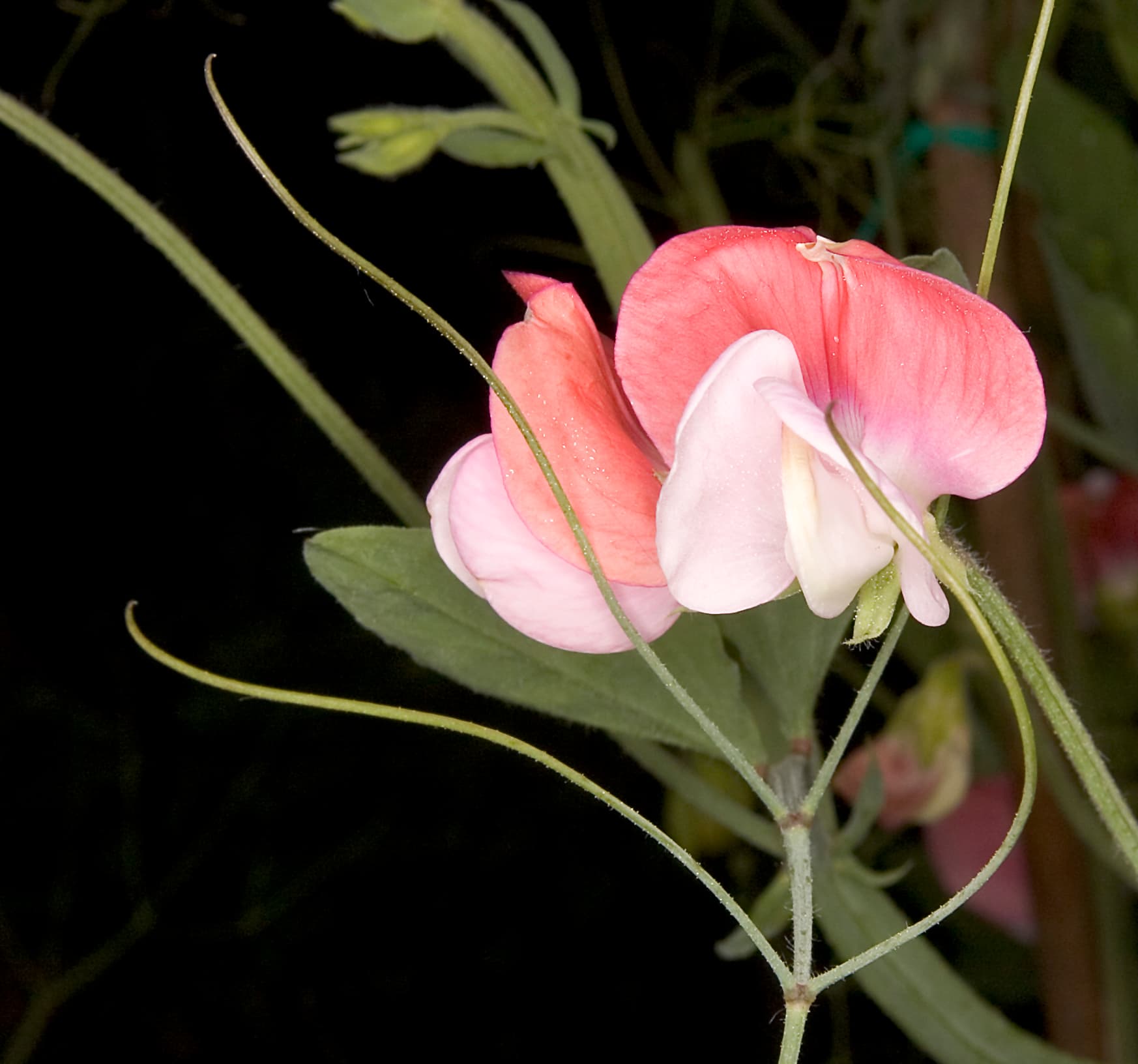
What to do this April
Sweet peas thrive in full sun or partial shade and prefer a rich, moisture-retentive loam. Before planting, dig over the soil thoroughly and incorporate plenty of well-rotted compost or manure to improve structure and fertility—sweet peas are hungry feeders and reward good preparation. Choose a spot sheltered from strong winds but with good air circulation. You can sow sweet peas in two main windows: in October or November for an early start, or in March and April for later flowering. Autumn sowing produces stronger plants that flower earlier, but requires protection over winter in a cold frame or unheated greenhouse. For spring sowing, wait until the soil is workable and frost risk is diminishing. Sow seeds about 2.5 cm deep, either directly into the ground or in deep pots or root trainers to minimise root disturbance. If starting in pots, harden off plants gradually before transplanting. Space plants 25 cm apart in the ground. Sweet peas are vigorous climbers reaching 100–250 cm, so install sturdy supports—canes, netting, obelisks, or a wigwam of bamboo—at planting time. Plant out seedlings carefully to avoid damaging the roots, firming soil gently around the base. Water in well after planting to settle roots, and apply a 5 cm layer of mulch around (but not touching) the stems to retain moisture and suppress weeds. Pinch out the growing tip when plants are about 10 cm tall to encourage bushier, more floriferous growth from the base.
Sweet peas have moderate water needs but dislike drying out, especially during flowering. Water regularly at the base of plants during dry spells, aiming for consistent moisture rather than sporadic drenching. In hot weather you may need to water two or three times a week; mulching helps retain soil moisture and keeps roots cool. Avoid overhead watering, which can encourage mildew. Feed sweet peas once flowering begins in May with a high-potash liquid fertiliser such as tomato feed, applied every two weeks. This supports continuous blooming through summer. Avoid high-nitrogen feeds, which promote leafy growth at the expense of flowers. If you've prepared the soil well with compost or manure before planting, plants will have a good nutrient reserve to draw on early in the season. Sweet peas are annuals and won't survive winter, so there's no overwintering required for established plants. If you've sown in autumn, keep young seedlings in a cold frame or unheated greenhouse through winter, ventilating on mild days to prevent damping off. Common problems include powdery mildew, particularly in dry conditions or where air circulation is poor—space plants properly and water at soil level to minimise risk. Aphids can cluster on new growth; squash by hand or spray with soapy water. Slugs and snails target young seedlings, so protect with barriers or organic pellets. Check regularly for pea moth caterpillars inside pods if you're saving seed, though this is rarely an issue if you're deadheading diligently for flowers.