Umbrella plant in February: monthly care
Month-by-month care — Darmera peltata
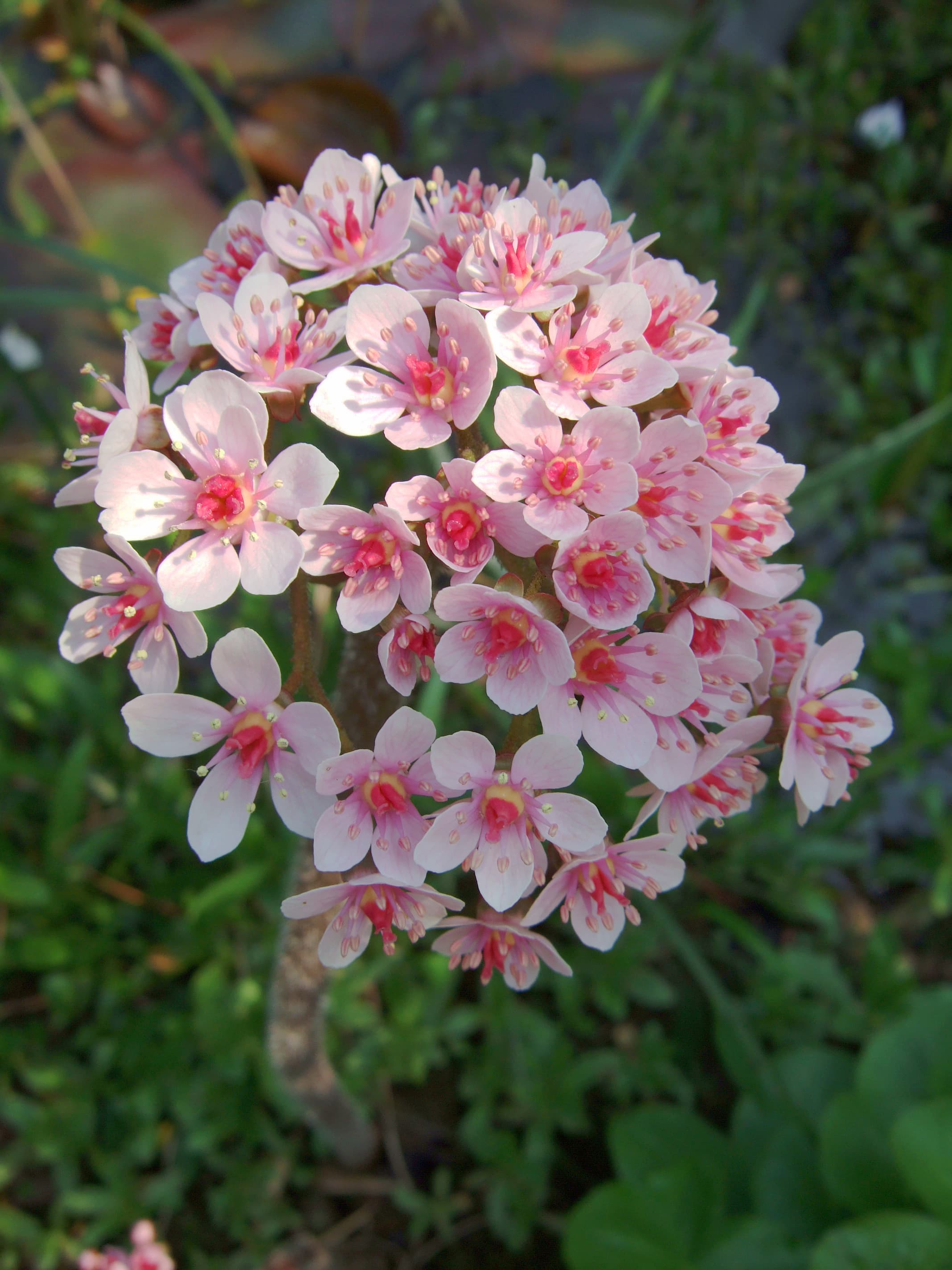
In February your umbrella plant needs attention: watch the bloom.
- Blooms
What to do this February
Watering is the single most important task with darmera. This plant has high water needs and must never dry out. In spring and summer, water deeply and regularly, especially during dry spells; the soil should remain consistently moist to the touch. If planted beside a pond or stream, natural moisture will usually suffice, but in borders you may need to water two or three times a week in warm weather. Reduce watering frequency in autumn as growth slows, but don't let the soil become bone-dry even in winter. Feed in April and May to support the lush foliage. Apply a balanced, slow-release granular fertiliser around the base of the plant, or use a general-purpose liquid feed every three to four weeks during the growing season. Avoid high-nitrogen feeds, which promote soft growth at the expense of flowers. A spring mulch of well-rotted compost or manure also provides gentle, sustained nutrition and helps retain soil moisture. Darmera is fully hardy in zones 5–9 and needs no winter protection in temperate Europe. The rhizomes survive freezing temperatures underground, and new growth emerges reliably each spring. Mulch around the crown in late autumn to insulate the soil and suppress weeds. Pests are rarely a problem, but slugs and snails can damage emerging shoots and young leaves in spring. Use organic slug pellets, beer traps, or hand-pick in the evening. Darmera is generally disease-free, though prolonged waterlogging in heavy clay can occasionally cause rhizome rot. Ensure good drainage despite the plant's love of moisture, and clear away dead foliage promptly in autumn to reduce fungal risk.