When to plant Umbrella plant?
Best month and method — Darmera peltata
Plant your umbrella plant in March, April, September and October — the optimal month is usually September.
You're in the planting season right now — a good moment to start.
Spacing
100 cm
≈ 1 plant
For an X m² border, calculate: X × 1 plants.
Step by step: plant umbrella plant
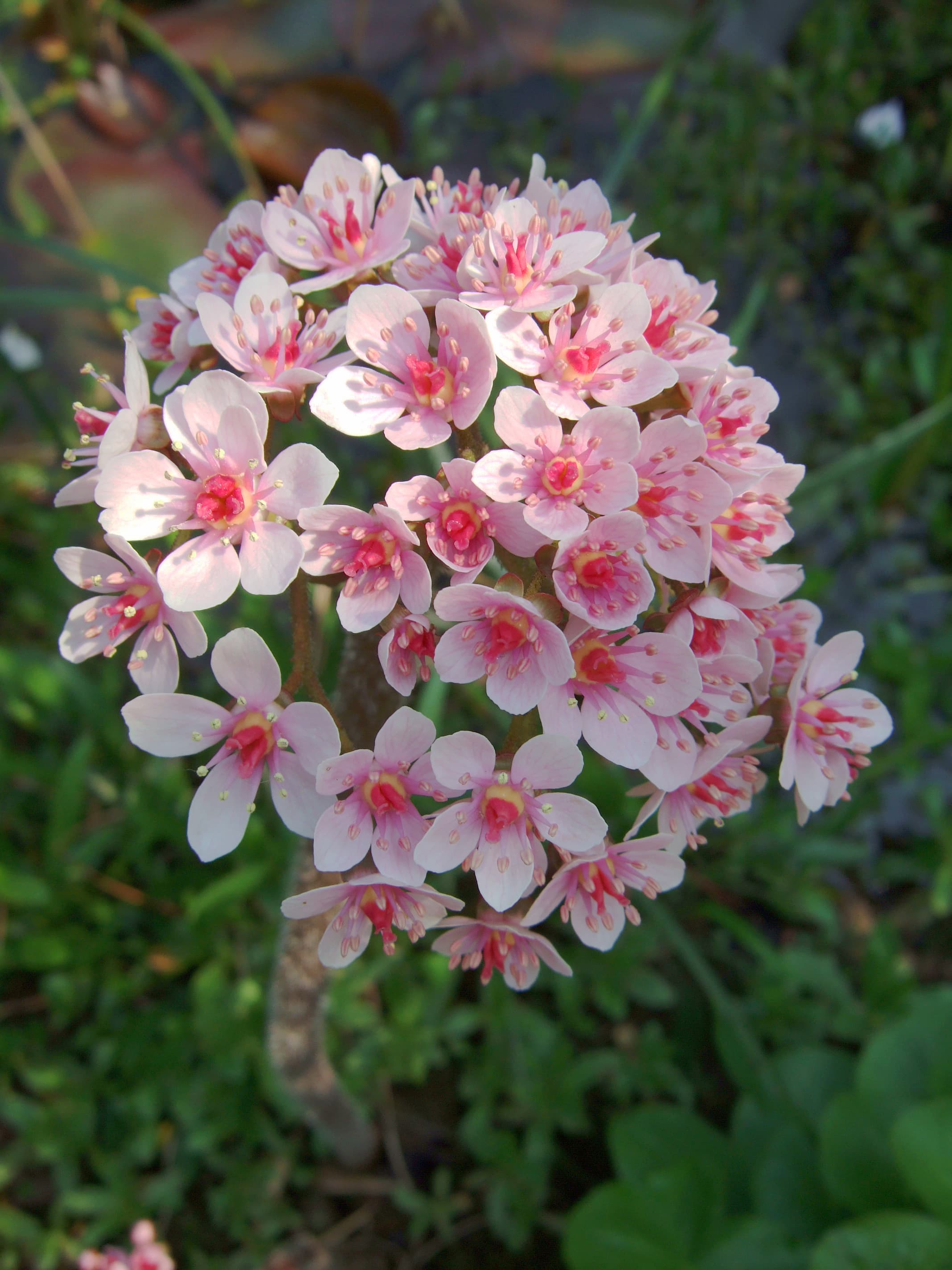
Darmera peltata thrives in damp, shaded spots and is ideal for bog gardens, pond margins, or any area with reliably moist soil. Choose a position in partial or full shade; it tolerates some morning sun but scorches in hot, exposed sites. The soil should be moisture-retentive—loam, clay, or peat-based soils are all suitable—and ideally enriched with organic matter such as well-rotted compost or leaf mould before planting. Plant in March, April, September, or October. Autumn planting allows the rhizomes to establish before winter, while spring planting gives a full growing season ahead. Dig a hole large enough to accommodate the thick, fleshy rhizome comfortably. Position the rhizome horizontally just below the soil surface, around 5–8 cm deep, with any growing points facing upwards. Space plants 100 cm apart; darmera spreads steadily via rhizomes and needs room to develop its impressive foliage clumps. After planting, water thoroughly to settle the soil around the roots and eliminate air pockets. Keep the soil consistently moist, especially during the first growing season. Apply a 5–8 cm layer of organic mulch such as composted bark or leaf mould around the base to conserve moisture and suppress weeds, but keep it clear of the crown to prevent rot. In very dry spells, water generously—darmera will not tolerate drought. If planting near a pond or stream, position it where the roots can access moisture naturally. The plant will reward you with striking umbrella-like leaves up to 60 cm across and clusters of pink flowers in early spring before the foliage fully emerges.


