Yarrow 'Coronation Gold' in August: monthly care
Month-by-month care — Achillea 'Coronation Gold'
In August your yarrow 'Coronation Gold' needs attention: prune and watch the bloom.
- Prune
- Blooms
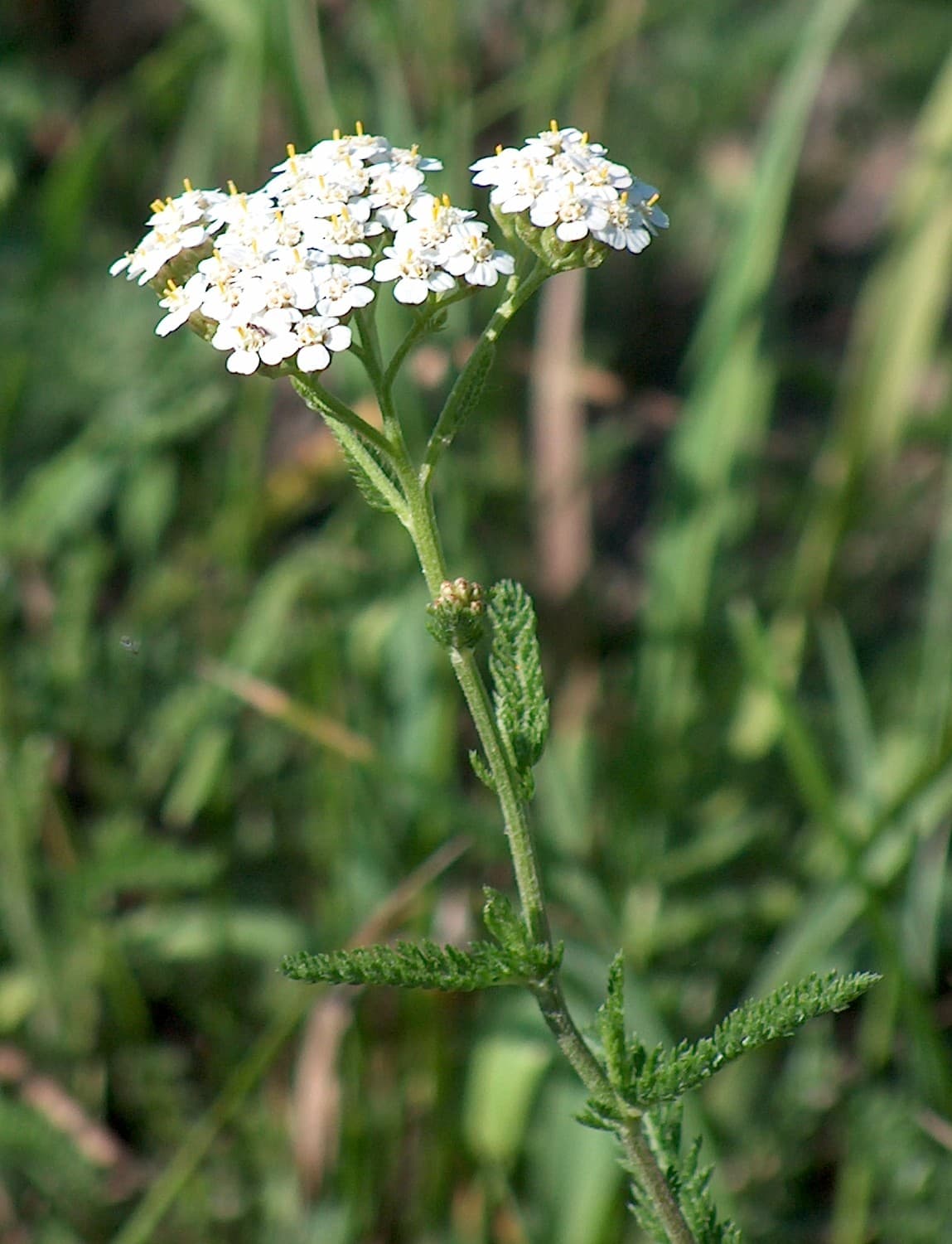
What to do this August
Achillea 'Coronation Gold' flowers from early summer through to late summer, producing flat-topped clusters of bright yellow blooms on sturdy stems. Deadheading spent flowers in August encourages a second, lighter flush of blooms and prevents self-seeding, though the seedlings rarely come true to type. Simply snip off faded flowerheads with secateurs or sharp scissors, cutting back to a side shoot or leaf node lower down the stem. In late summer or early autumn—August or September—you can cut back the entire plant by about half if it looks tired or untidy, particularly after the main flowering period. This tidies the clump and can stimulate fresh basal foliage, though it is not essential. Some gardeners prefer to leave the seedheads standing through autumn and winter for structure and to feed birds, in which case delay the main cutback until early spring. The principal pruning task is the spring cutback in March. Cut all old stems down to ground level, removing the previous year's growth entirely to make way for fresh shoots emerging from the base. Use clean, sharp secateurs or shears for larger clumps. This is also the time to lift and divide congested clumps every three to four years: dig up the plant, tease or chop the rootball into sections with healthy shoots, and replant the vigorous outer portions, discarding the woody centre. Division rejuvenates flowering and prevents the clump from dying out in the middle.
Once established, Achillea 'Coronation Gold' is exceptionally low-maintenance and drought-tolerant, requiring little watering even in dry summers. Water newly planted specimens regularly for the first season, but mature plants rarely need supplementary irrigation except during prolonged drought. Overwatering or planting in moisture-retentive soil encourages weak, floppy growth and increases the risk of root rot and mildew. Feed sparingly. In April or May, apply a light dressing of general-purpose granular fertiliser or a handful of blood, fish, and bone around the base of the plant. Avoid high-nitrogen feeds, which promote lush foliage at the expense of flowers and make stems more likely to flop. On poor, free-draining soils, a single spring feed is sufficient; on richer ground, feeding may not be necessary at all. Achillea 'Coronation Gold' is fully hardy to zone 3 and requires no winter protection in temperate Europe. The plant dies back to a basal rosette of foliage in autumn, and the crown will overwinter without issue in well-drained soil. Avoid mulching the crown with organic matter in winter, as this can trap moisture and cause rot. Powdery mildew is the most common problem, particularly in humid conditions or where air circulation is poor. Ensure adequate spacing and avoid overhead watering. Aphids occasionally cluster on young shoots and flowerheads in spring; a strong jet of water or insecticidal soap usually resolves the issue. Slugs and snails rarely bother established plants but may nibble emerging shoots in early spring.