Yarrow 'Terracotta' in April: monthly care
Month-by-month care — Achillea 'Terracotta'
In April your yarrow 'Terracotta' needs attention: plant / sow and fertilise.
- Plant / sow
- Fertilise
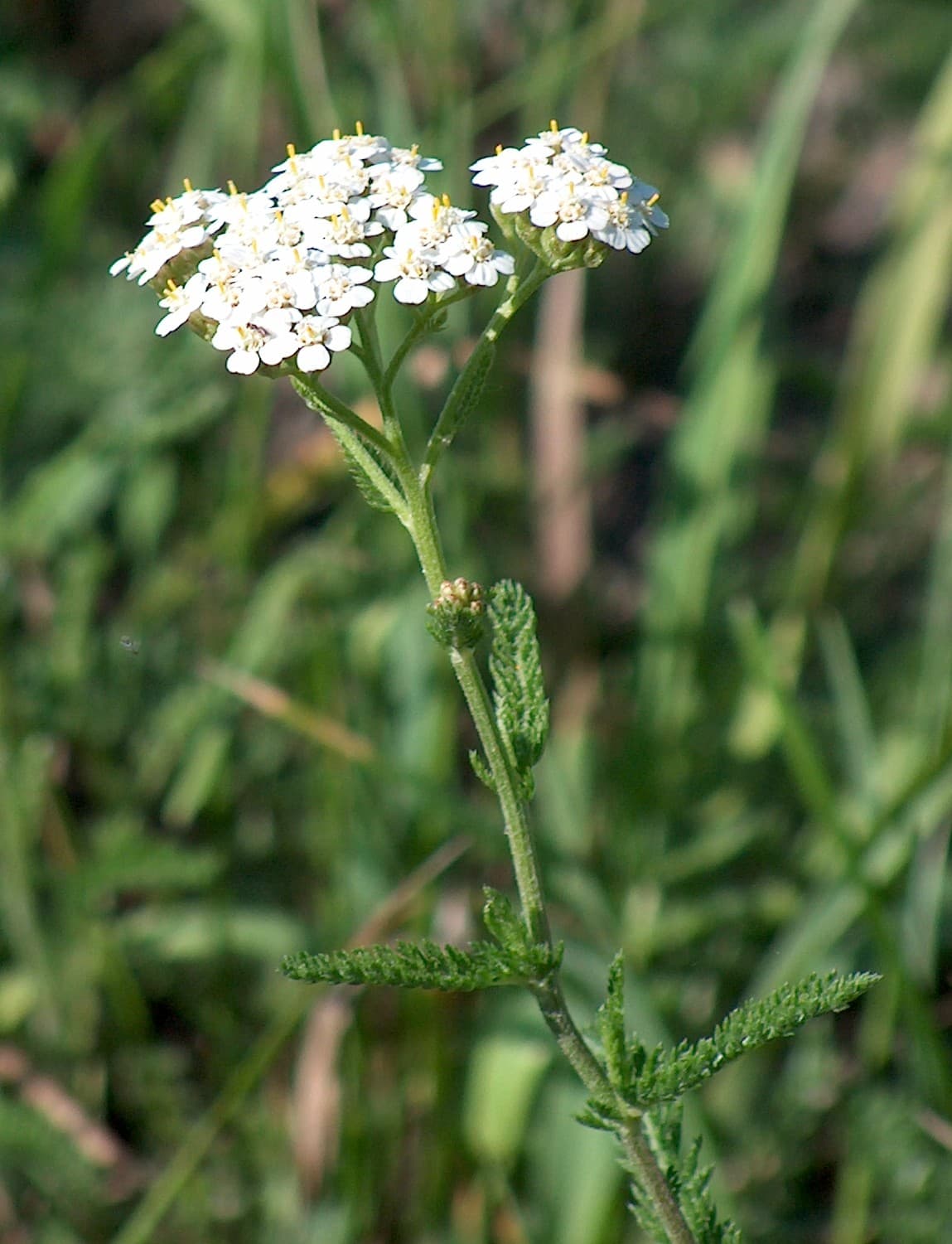
What to do this April
Achillea 'Terracotta' thrives in full sun and well-drained soil, making it ideal for hot, dry borders and gravel gardens. It tolerates sandy, loamy, and chalky soils but will sulk in heavy clay or anywhere waterlogged. Choose an open position where it receives at least six hours of direct sunlight daily; shade leads to weak, floppy stems and fewer flowers. Plant between March and May or in September and October. Spring planting gives the roots a full growing season to establish, while autumn planting works well if your soil drains freely and doesn't sit wet over winter. Prepare the site by removing weeds and digging in a little grit or sharp sand if your soil is heavy; yarrows hate sitting in moisture. No need to add compost or manure—'Terracotta' actually flowers better in lean, poor soil. Dig a hole slightly wider than the root ball and set the plant so the crown sits level with the surrounding soil surface. Space plants 45 cm apart to allow good air circulation and room for the clumps to spread. Backfill with the excavated soil, firm gently with your hands, and water in thoroughly to settle roots and eliminate air pockets. After planting, water regularly for the first six to eight weeks until you see strong new growth. Once established, yarrow is remarkably drought-tolerant and needs little attention. A 5 cm layer of gravel or grit mulch around the base helps suppress weeds and improves drainage, but keep mulch clear of the crown to prevent rot. Staking is rarely necessary if the plant is grown in full sun and not overfed.
Once established, Achillea 'Terracotta' is one of the easiest perennials you can grow, with low water and nutrient needs. Water new plants regularly through their first summer, but after that irrigation is rarely necessary except during prolonged drought. Yarrow's deep taproot seeks out moisture, and overwatering or poorly drained soil causes root rot and encourages mildew. In a typical British summer, rainfall is usually sufficient. Feed sparingly. Too much fertiliser, especially nitrogen, produces lush foliage at the expense of flowers and makes stems flop. A single application of a balanced general-purpose granular fertiliser in April or May is plenty—scatter a light handful around the base of each clump and water in if the soil is dry. On fertile soils you can skip feeding altogether. Avoid high-nitrogen lawn feeds or fresh manure. Achillea is fully hardy to zone 3, so overwintering in temperate Europe presents no difficulty. Leave the old stems standing through winter if you wish, or cut back in March as described. No protective mulch or covering is needed. The main enemy is winter wet rather than cold, so ensure drainage remains good. Powdery mildew can appear as a white coating on leaves during humid weather or if plants are crowded or stressed. Improve air circulation by thinning congested clumps and avoid overhead watering. Aphids occasionally cluster on young shoots in spring; a strong jet of water usually dislodges them, or tolerate low numbers as they attract beneficial insects. Slugs and snails generally leave the aromatic foliage alone. Overall, 'Terracotta' is a robust, trouble-free plant that rewards neglect better than fussing.