Yarrow in March: monthly care
Month-by-month care — Achillea millefolium
In March your yarrow needs attention: plant / sow and prune.
- Plant / sow
- Prune
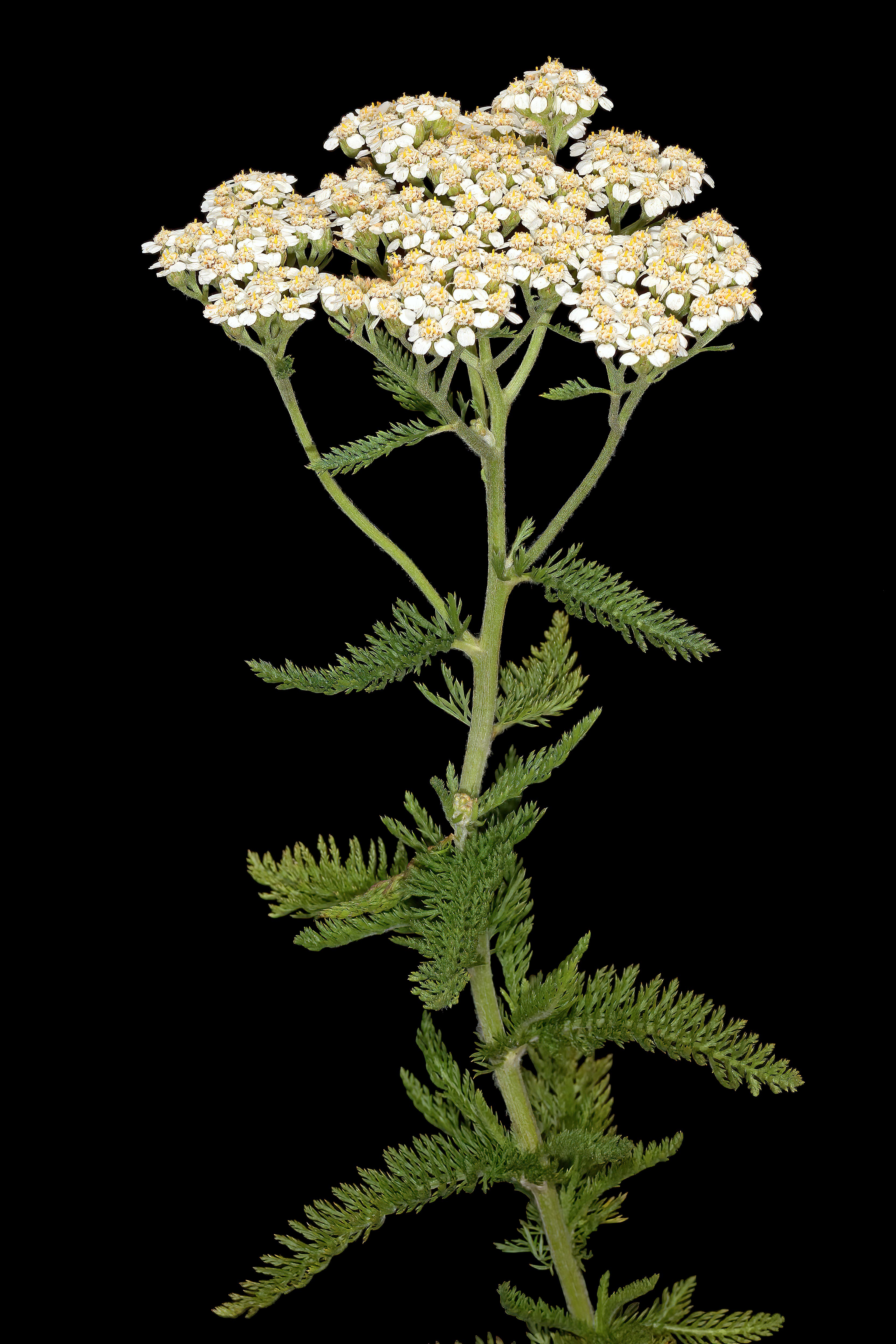
What to do this March
Achillea millefolium thrives in full sun but tolerates partial shade, though flowering may be less prolific in shadier spots. It's exceptionally adaptable to soil type, growing happily in sandy soil, loam, or chalky soil, and it actually prefers lean, free-draining conditions over rich, heavy ground. Avoid waterlogged sites; yarrow dislikes wet feet and may rot in poorly drained soil. You can plant yarrow from March to May or in September and October. Spring planting gives plants a full season to establish, while autumn planting works well in milder areas, allowing roots to settle before winter. Prepare the soil by removing weeds and forking it over lightly—there's no need to add compost or manure, as yarrow performs better in less fertile ground. If your soil is heavy clay, work in some grit or sharp sand to improve drainage. Plant at the same depth the plant was growing in its pot, spacing individual plants 40 cm apart to allow for their spreading habit. Yarrow forms clumps that gradually expand via rhizomes, so give them room. After planting, firm the soil gently around the roots and water in well to settle them, even though yarrow has low water needs once established. Apply a light mulch of gravel or grit around the base if your soil is on the heavy side; this keeps the crown dry and discourages rot. Avoid organic mulches like bark or compost, which can make the soil too rich and cause floppy growth. Water occasionally during the first few weeks if the weather is dry, but yarrow establishes quickly and soon becomes drought-tolerant.
Yarrow doesn't require heavy pruning, but a couple of well-timed cuts will keep plants tidy, encourage repeat flowering, and prevent excessive self-seeding. The main pruning window is March and November, though deadheading through the flowering season is equally important. In March, cut back any old stems you left standing over winter. Trim the whole plant down to just above the basal foliage—usually about 5–10 cm from the ground. This removes tatty growth and makes way for fresh shoots. Use clean secateurs or garden shears; yarrow stems are tough when dry, so sharp tools make the job easier. If you didn't cut back in autumn, March is your chance to tidy up before new growth begins in earnest. During the flowering period from June to August, deadhead spent flowerheads regularly. Snip them off just above a set of leaves or side shoots. This not only keeps the plant looking smart but often triggers a second, lighter flush of blooms later in summer. If you want yarrow to self-seed in informal areas, leave a few flowerheads to set seed in late summer, but be aware it can spread enthusiastically. In November, once flowering has completely finished and foliage begins to die back, cut the plant down to ground level again. Some gardeners prefer to leave the seedheads standing for winter interest and wildlife, then tidy up in early spring instead—both approaches work well. Yarrow is forgiving and bounces back reliably whichever schedule you choose.