Pruning Eucalyptus
When and how — Eucalyptus gunnii
Prune your eucalyptus in March and April — the optimal month is usually April.
The next pruning window is March next year.
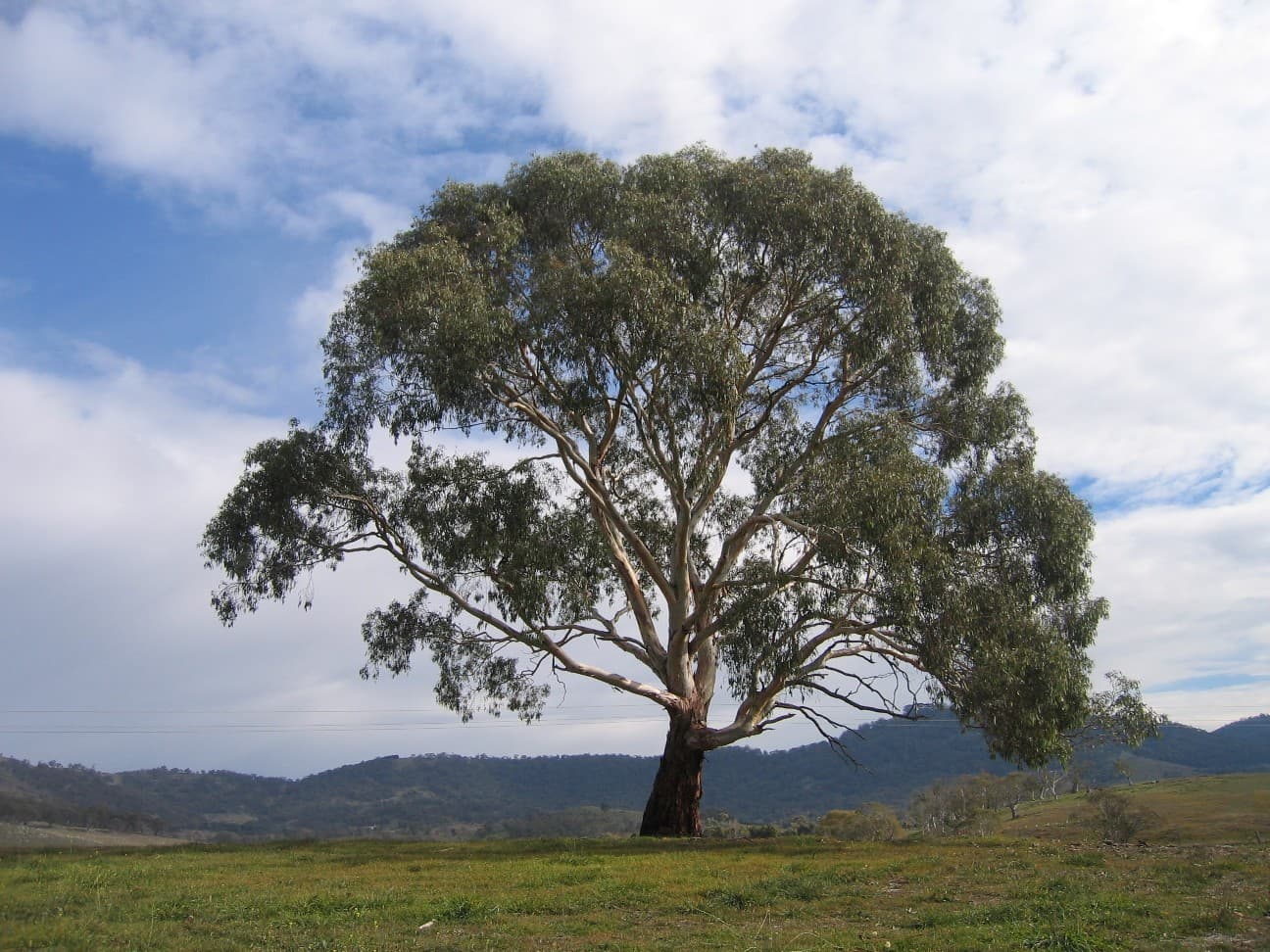
When to prune?
The shrub eucalyptus is pruned in March and April.
Pruning time depends on when the shrub flowers.
The rule of thumb for ornamental shrubs: spring-flowering shrubs (forsythia, lilac, flowering currant) are pruned immediately after flowering, because they set their buds on last year's wood. Summer-flowering shrubs (buddleia, paniculata hydrangea, hardy hibiscus) are pruned in March, because they flower on wood produced this season. Get the timing wrong and you cut off this year's buds. Evergreen shrubs (yew, box) are best pruned around Midsummer (24 June): the first flush of growth is finished and the plant still has time to seal the wounds before winter.
How to prune eucalyptus
Prune eucalyptus in March or April, just as new growth begins but before the main flush of spring foliage. Pruning at this time encourages a bushy, compact shape and stimulates the attractive juvenile foliage that many gardeners prize for its rounded, silvery-blue leaves. If left unpruned, Eucalyptus gunnii will develop into a tall, open tree with less ornamental adult foliage. For a shrubby patio specimen, hard prune annually by cutting all the previous year's growth back to within a few centimetres of the main framework or even down to a low stump (a technique called coppicing or stooling). This keeps the plant compact, manageable in a container, and covered in the desirable juvenile leaves. Use clean, sharp secateurs or a pruning saw for thicker stems. Make cuts just above a bud or node, angling the cut slightly to shed water. If you prefer a small tree shape, prune more selectively: remove any weak, crossing, or damaged stems, and thin out crowded growth to maintain an open structure. Shorten vigorous shoots by about one-third to keep the canopy balanced. Eucalyptus tolerates hard pruning remarkably well and will regenerate vigorously from old wood. Throughout the growing season, remove any dead, damaged, or frosted shoots as soon as you notice them. If your plant has overwintered indoors and suffered some dieback, wait until April to assess the damage and prune back to healthy, green wood. Always wear gloves, as the aromatic oils can irritate sensitive skin, and clean your tools with disinfectant between cuts to prevent disease spread.
Common mistakes
✗ Hard-pruning all hydrangeas in early spring
Mophead hydrangea (Hydrangea macrophylla) flowers on old wood — cut it back in March and you get no flowers. Paniculata flowers on new wood and can be cut back hard. Check the species first.
✗ Trimming everything to the same length
Looks 'chopped' and weakens the shrub. Instead, remove one in three of the oldest stems each year right down to the base (renewal pruning). This keeps the shrub vigorous and natural in shape.
✗ Pruning in summer heat
Fresh cuts dry out quickly in full sun and become an entry point for fungal disease. Wait for an overcast day or postpone until autumn.
Combine with feeding
In April you can combine pruning with feeding — efficient, and you only disturb the plant once. Read the full care guide for eucalyptus →
Too late this year? Here's what to do
Better to wait than prune at the wrong moment. The next optimal window is March next year. Until then: leave the plant alone — only remove dead or diseased wood (which you can do year-round).


