Growing Monstera in a pot
For balcony, patio or terrace — Monstera deliciosa
monstera grows well in a pot of at least Ø 60 cm (170 L capacity), in a position with partial shade. Watering: every 2 days in summer, once every 2 weeks in winter.
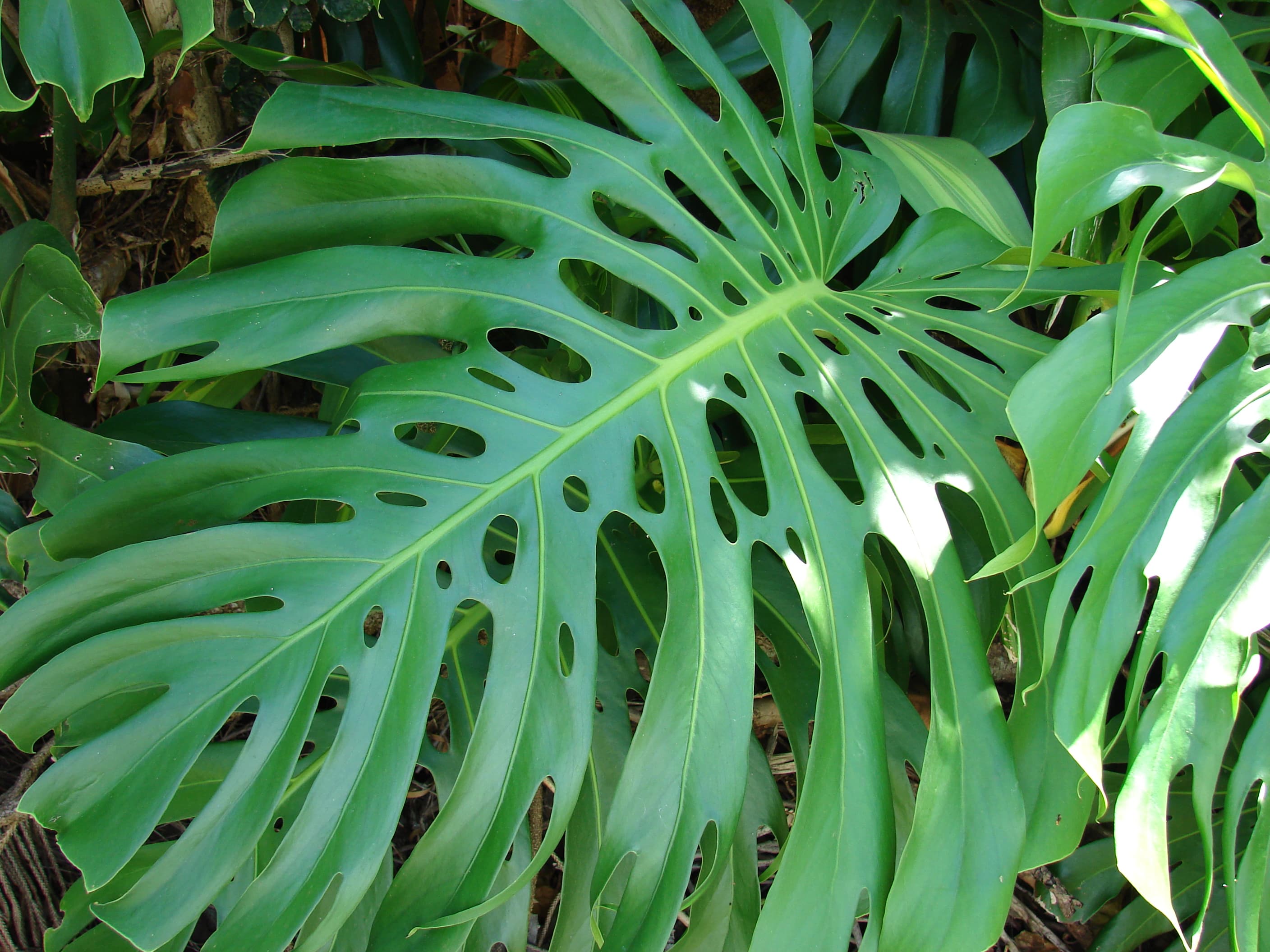
Which pot?
Ø 60 cm
~ 170 L potting soil
Give the plant room with a pot slightly wider than the current rootball, with matching depth.
Watering
every 2 days
once every 2 weeks
Always use a pot with drainage holes. Water dries out faster in pots — or the plant drowns. Check weekly with your finger: only water when the top 2 cm of soil is dry.
Pot care
Water your monstera when the top 3–5 cm of compost feels dry to the touch. In spring and summer, during active growth, this usually means watering once a week; in autumn and winter, every ten to fourteen days is often enough. Pour water evenly over the surface until it drains from the bottom, then empty the saucer. Overwatering is the most common problem—monstera tolerates short dry spells far better than soggy roots, which quickly lead to root rot. Brown, crispy leaf edges suggest underwatering or low humidity; yellowing leaves and a musty smell indicate overwatering. Feed every four to six weeks from April through September with a balanced liquid houseplant fertiliser diluted to half the recommended strength. Monstera is not a heavy feeder, and too much fertiliser causes salt build-up and brown leaf tips. No feeding is needed in winter when growth slows. Monstera prefers moderate to high humidity (50–60 per cent or above). In centrally heated homes, especially in winter, mist the leaves occasionally or stand the pot on a tray of pebbles and water (ensuring the base doesn't sit in water). Grouping houseplants together also raises local humidity. Keep your monstera in a warm room with temperatures between 18–27 °C year-round. Avoid cold draughts, radiators, and sudden temperature swings. Wipe the leaves monthly to remove dust and check for pests. Spider mites (fine webbing, stippled leaves) and scale insects (brown bumps on stems) occasionally appear in dry conditions; treat with insecticidal soap or wipe off by hand. Root rot from overwatering is the main disease risk—ensure good drainage and never let the pot sit in standing water.
Pot-specific tip: add slow-release fertiliser pellets in March — potting soil exhausts much faster than open ground.