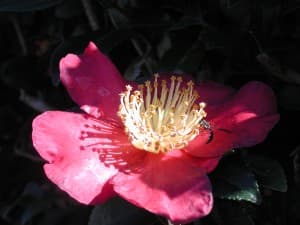
Growing Tea plant in a pot
For balcony, patio or terrace — Camellia sinensis
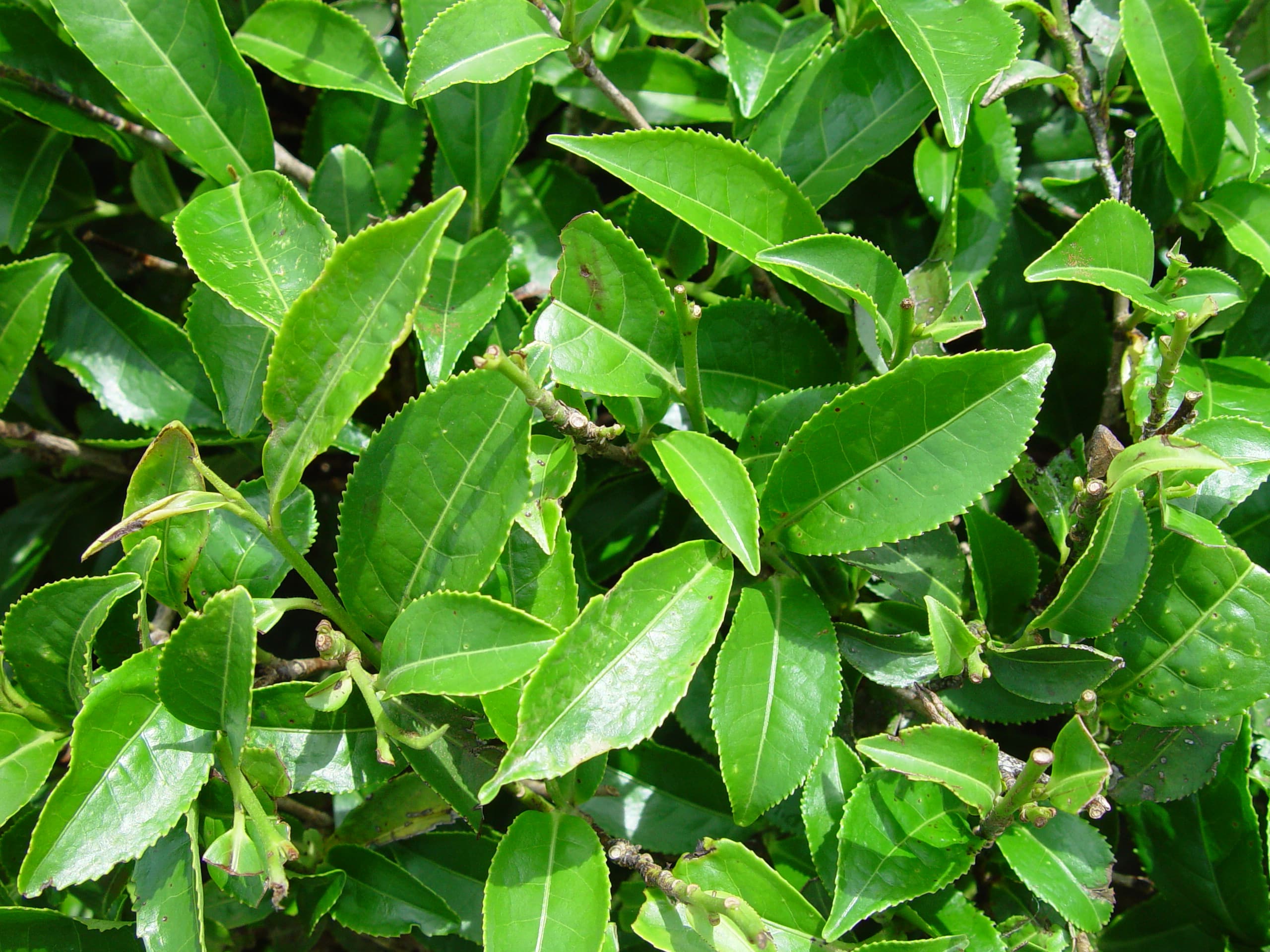
tea plant grows well in a pot of at least Ø 60 cm (170 L capacity), in a position with partial shade or full sun. Watering: every 2 days in summer, once every 2 weeks in winter.
Which pot?
Ø 60 cm
~ 170 L potting soil
Choose a generous pot with good drainage — small pots restrict root development.
Watering
every 2 days
once every 2 weeks
Always use a pot with drainage holes. Water dries out faster in pots — or the plant drowns. Check weekly with your finger: only water when the top 2 cm of soil is dry.
Pot care
Water your tea plant regularly from spring through summer, keeping the compost consistently moist but never waterlogged. In hot weather you may need to water every couple of days; check by feeling the top 3 cm of compost. Reduce watering in autumn and winter when growth slows, allowing the surface to dry slightly between waterings. Always use rainwater or soft water if possible, as tea plants are sensitive to the lime in hard tap water. Feed in April and again in June with a liquid ericaceous fertiliser (the type sold for rhododendrons and azaleas) at the strength recommended on the bottle. Avoid feeding after midsummer, as soft late growth is more vulnerable to frost damage when you bring the plant indoors. Before the first frosts—usually late October or early November—move your tea plant into a frost-free greenhouse, conservatory, or bright porch. It needs cool overwintering (ideally 5–10 °C) and good light; a heated living room is too warm and dry. Ventilate on mild days to prevent fungal issues. Return the plant outdoors in late April or May once night temperatures stay reliably above 5 °C. Refresh the top 5 cm of compost each spring and repot every two to three years into a slightly larger container if roots fill the pot. Tea plants are generally trouble-free, but watch for vine weevil notching on leaf edges (check compost for grubs) and scale insects on stems. Overwatering or poor drainage causes root rot; yellowing leaves between the veins usually signal iron deficiency due to alkaline compost or hard water.
Pot-specific tip: add slow-release fertiliser pellets in March — potting soil exhausts much faster than open ground.
Heads-up — large plant: this tea plant grows up to 200 cm tall. A 60-70 cm pot works for the first 3-5 years; after that the rootball outgrows it. Plan to transplant into the garden, or pick a compact cultivar for permanent pot culture.