Pruning Tea plant
When and how — Camellia sinensis
Prune your tea plant in March and April — the optimal month is usually April.
The next pruning window is March next year.
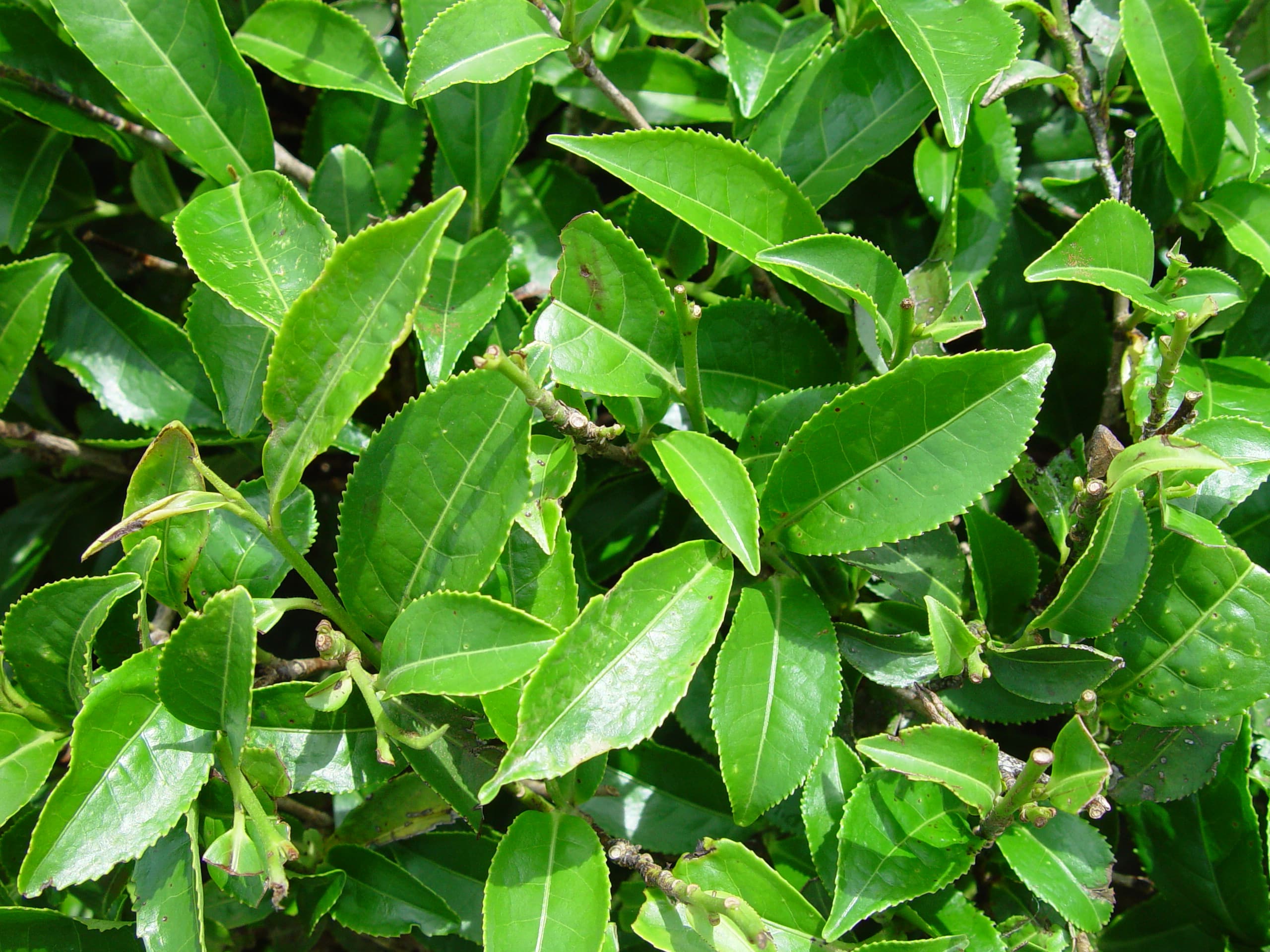
When to prune?
The shrub tea plant is pruned in March and April.
Pruning time depends on when the shrub flowers.
The rule of thumb for ornamental shrubs: spring-flowering shrubs (forsythia, lilac, flowering currant) are pruned immediately after flowering, because they set their buds on last year's wood. Summer-flowering shrubs (buddleia, paniculata hydrangea, hardy hibiscus) are pruned in March, because they flower on wood produced this season. Get the timing wrong and you cut off this year's buds. Evergreen shrubs (yew, box) are best pruned around Midsummer (24 June): the first flush of growth is finished and the plant still has time to seal the wounds before winter.
How to prune tea plant
Prune your tea plant in March or April, just as new growth begins but before the main flush of spring leaves. Pruning at this time encourages a dense, bushy shape and maximises the number of tender young shoots you can harvest for tea later in the season. Use clean, sharp secateurs or pruning shears. Start by removing any dead, damaged, or frost-nipped stems back to healthy wood. Then look for crossing or inward-growing branches that clutter the centre of the shrub; opening up the canopy improves air circulation and reduces the risk of fungal problems in damp weather. Tea plants respond well to moderate pruning. You can safely cut back up to one-third of the previous year's growth to maintain a compact, manageable size—especially important for a container specimen. Trim wayward shoots to shape the plant and encourage branching lower down. If your tea plant has become leggy or overgrown, don't be afraid to prune harder; Camellia sinensis tolerates rejuvenation pruning and will reshoot from older wood, though flowering and cropping will be lighter the following year. During the growing season, pinch out the tips of young shoots if you want to promote bushier growth, but remember that these tender tips are exactly what you harvest for tea. After the autumn flowering period, deadhead spent white blooms if you wish, though this is purely cosmetic—tea plants don't require deadheading to perform well. Avoid any pruning after late spring, as this removes the shoots you'd otherwise pick for tea in May, June, and July.
Common mistakes
✗ Hard-pruning all hydrangeas in early spring
Mophead hydrangea (Hydrangea macrophylla) flowers on old wood — cut it back in March and you get no flowers. Paniculata flowers on new wood and can be cut back hard. Check the species first.
✗ Trimming everything to the same length
Looks 'chopped' and weakens the shrub. Instead, remove one in three of the oldest stems each year right down to the base (renewal pruning). This keeps the shrub vigorous and natural in shape.
✗ Pruning in summer heat
Fresh cuts dry out quickly in full sun and become an entry point for fungal disease. Wait for an overcast day or postpone until autumn.
Combine with feeding
In April you can combine pruning with feeding — efficient, and you only disturb the plant once. Read the full care guide for tea plant →
Too late this year? Here's what to do
Better to wait than prune at the wrong moment. The next optimal window is March next year. Until then: leave the plant alone — only remove dead or diseased wood (which you can do year-round).


