Harvesting Asparagus
When and how — Asparagus officinalis
Harvest asparagus in April, May and June — the main harvest usually falls in May.
The next harvest is April next year.
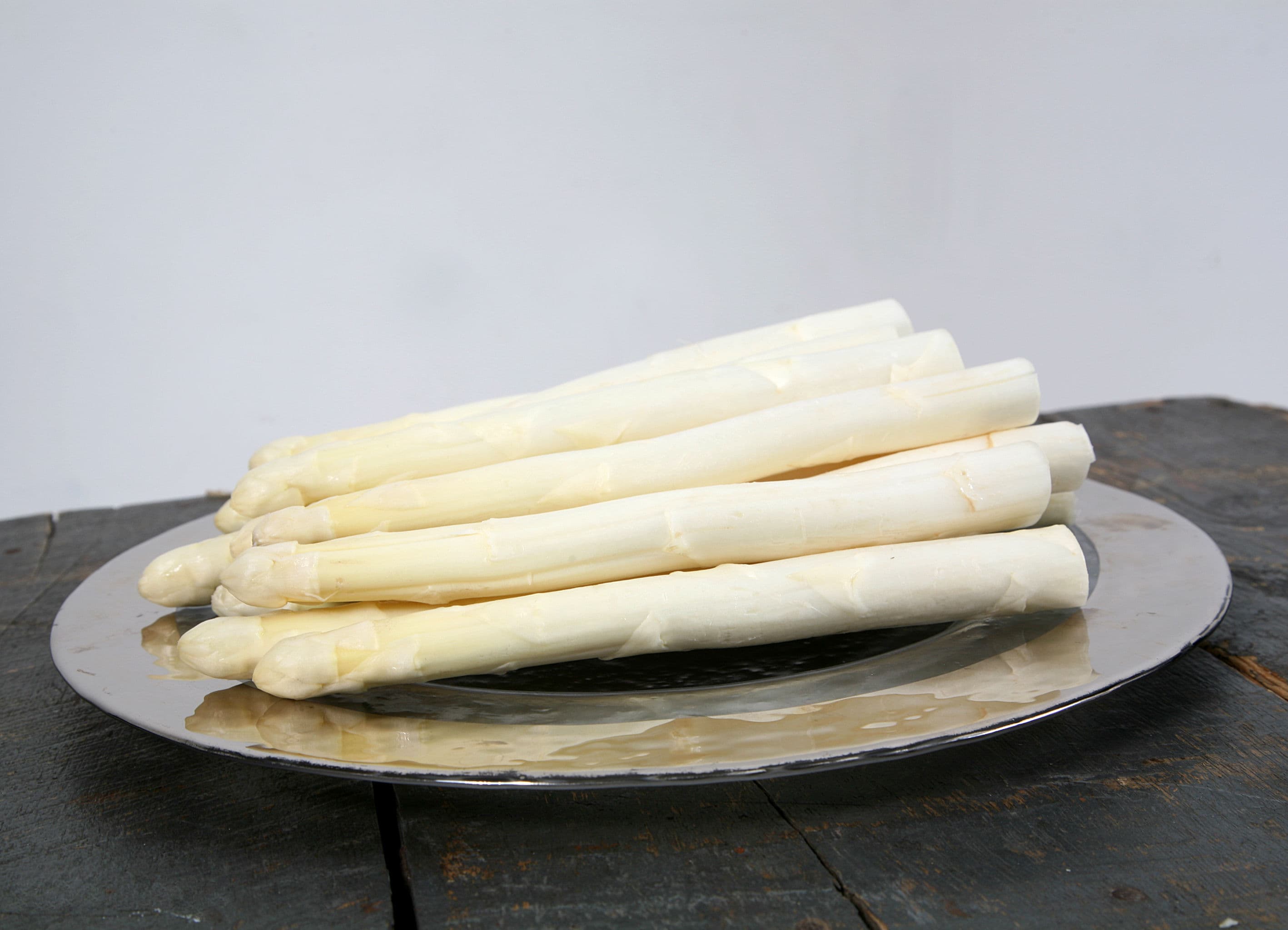
How to harvest asparagus
Asparagus needs moderate watering, especially during dry spells in the growing season. Water deeply once or twice a week from April through September if rainfall is scarce, aiming to keep the root zone moist but not saturated. Reduce watering once the ferns begin to yellow in autumn. In winter, the dormant crowns need little attention and will tolerate cold down to hardiness zone 3. Feed twice a year. In March, just as spears begin to emerge, apply a balanced granular fertiliser or a generous layer of well-rotted manure or compost around the crowns. This supports the intensive growth of harvestable spears. In July, after harvest has finished and the ferns are growing strongly, apply a second feed—use a general-purpose fertiliser or liquid tomato feed to help the crowns build reserves for next year. Avoid high-nitrogen feeds late in the season, which can encourage soft growth vulnerable to frost. Asparagus beetle is the main pest. Adults are black and red, and both they and their grey larvae chew foliage and spears. Check plants regularly from May onwards and pick off beetles and larvae by hand, or spray with an organic insecticide if numbers are high. Asparagus rust, a fungal disease causing orange pustules on stems, can weaken plants; remove and bin affected foliage promptly and ensure good air circulation. Mulch the bed each spring with a 5 cm layer of compost to suppress weeds and retain moisture. Hand-weed carefully to avoid damaging shallow crowns. Keep the bed weed-free year-round, as competition reduces spear quality and yield.


