Black cohosh in November: monthly care
Month-by-month care — Cimicifuga racemosa
In November your black cohosh needs attention: prune.
- Prune
What to do this November
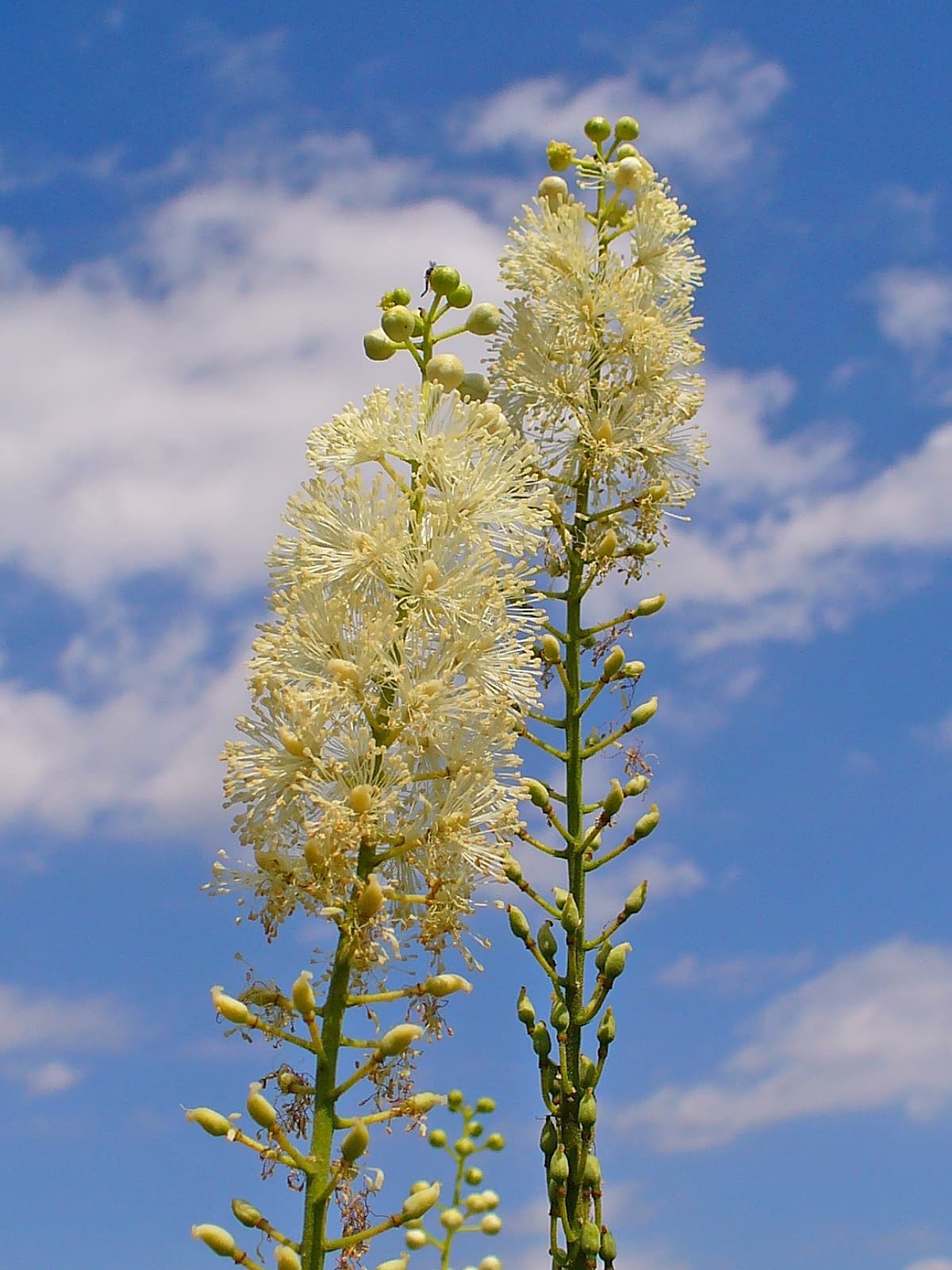
Cimicifuga racemosa requires minimal pruning, which is one reason it's valued as a low-maintenance perennial. The main task is tidying up spent growth rather than shaping or controlling size. Prune in March or November, depending on your preference and garden style. Many gardeners leave the tall, dried flower spikes standing over winter. The architectural seed heads provide structure and interest in the dormant garden and offer food and shelter for wildlife. If you take this approach, cut back all the old stems to ground level in March, just as new growth begins to emerge. Use clean, sharp secateurs or loppers to slice through the hollow stems cleanly, removing them entirely to make way for fresh foliage. Alternatively, tidy the plant in November after the first hard frosts have blackened the foliage. Cut back spent stems to within a few centimetres of the ground. This approach keeps borders looking neat through winter but sacrifices the ornamental value of the seed heads. Whichever timing you choose, remove all old stems and any damaged or diseased foliage. There's no need for complex pruning techniques—simply cut the whole plant back hard. Cimicifuga flowers on new growth produced in spring, so you won't affect flowering by cutting back in late winter or early spring. During the growing season, deadhead spent flower spikes if you want to keep the plant looking tidy, though this isn't necessary for the health of the plant. If self-seeding is unwanted, remove faded flowers before seed sets. Otherwise, leave pruning to the designated months and enjoy this undemanding perennial.