Black cohosh in September: monthly care
Month-by-month care — Cimicifuga racemosa
In September your black cohosh needs attention: plant / sow.
- Plant / sow
What to do this September
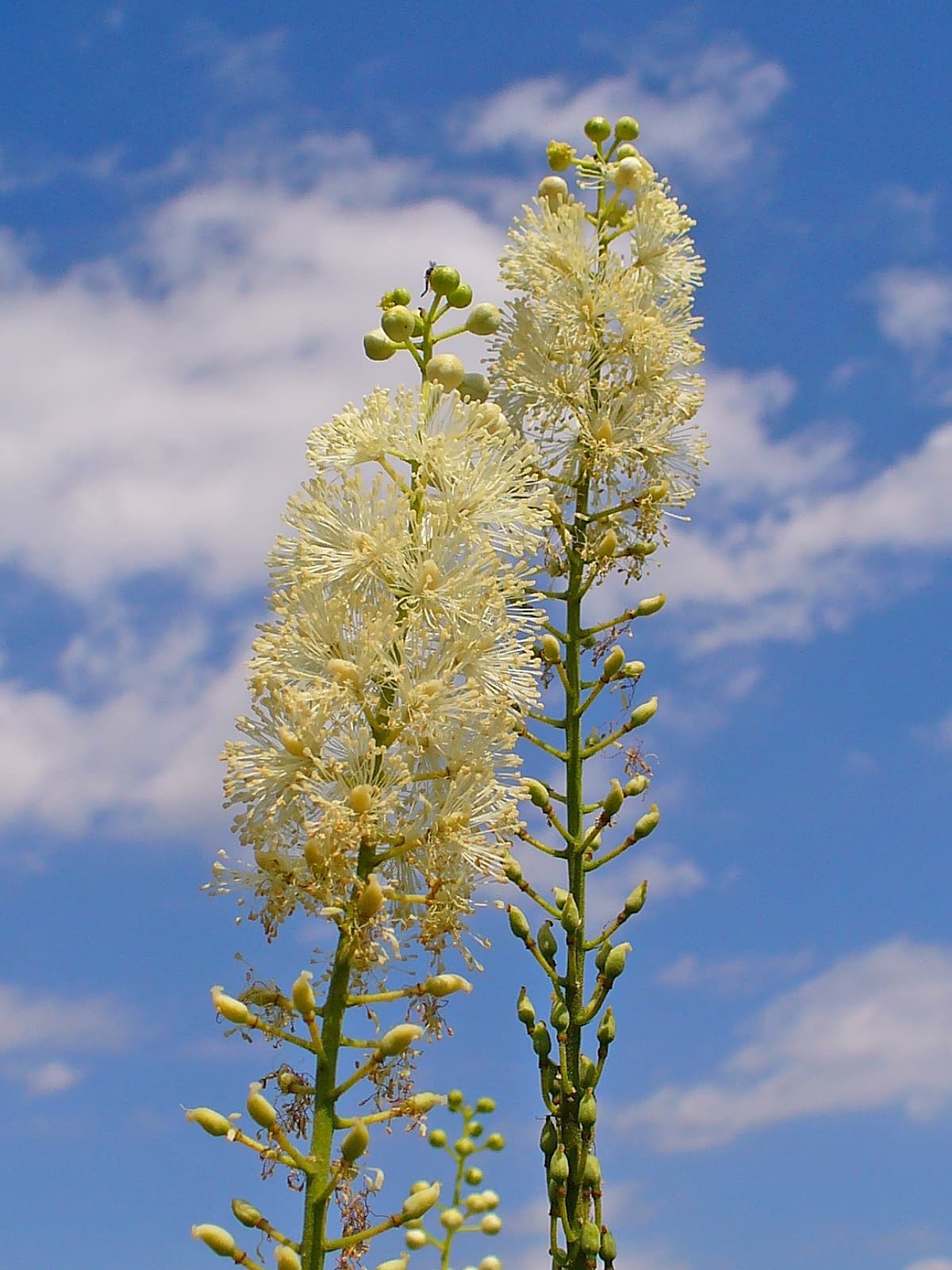
Cimicifuga racemosa, commonly known as black cohosh or bugbane, thrives in partial to full shade, making it an excellent choice for woodland gardens or shady borders. It prefers moisture-retentive loam or clay soil enriched with organic matter. Before planting, dig in plenty of well-rotted compost or leaf mould to improve soil structure and water retention, as this perennial dislikes drying out. Plant in March, April, September, or October when the soil is workable and temperatures are mild. Dig a hole roughly twice the width of the root ball and deep enough so the crown sits at soil level—planting too deep can lead to rot. Space plants 60 cm apart to allow for their mature spread of 50–70 cm and to ensure good air circulation around the tall flower spikes, which can reach 150–200 cm. After planting, firm the soil gently around the roots to eliminate air pockets, then water thoroughly to settle the plant in. Apply a 5–7 cm layer of organic mulch such as composted bark or leaf mould around the base, keeping it clear of the crown itself. This mulch conserves moisture, suppresses weeds, and gradually improves soil fertility as it breaks down. Cimicifuga is slow to establish and may take a year or two to reach full vigour, so patience is essential. Avoid disturbing the roots once planted, as it resents transplanting. In exposed sites, consider staking taller specimens early in the season to prevent wind damage to the elegant flower spikes that appear in summer and late summer.