Caring for Camellia
Complete guide — Camellia japonica
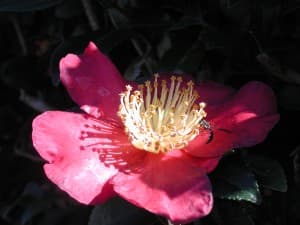
camellia needs moderate maintenance, a position in partial shade on peat soil / loam and moderate.
Position
partial shade
peat soil, loam
moderate
Feeding
Feed in April and June.
Year-round care
Water camellias regularly during dry spells, especially from late summer through autumn when they are forming next spring's flower buds. Drought stress at this stage causes bud drop. Keep the root zone consistently moist but never waterlogged; camellias are intolerant of both extremes. In summer, water deeply once or twice a week if rainfall is scarce. Reduce watering in winter, but don't let the soil dry out completely, particularly for container-grown plants. Always use rainwater if your tap water is hard or alkaline. Feed in April and again in June with a fertiliser formulated for acid-loving plants (ericaceous feed). Use a slow-release granular product scattered around the root zone, or apply liquid feed every fortnight during the growing season. Avoid high-nitrogen feeds, which promote soft growth at the expense of flowers. Don't feed after mid-summer, as late feeding encourages tender growth vulnerable to frost. Refresh the mulch layer each spring with composted bark, pine needles, or leaf mould to suppress weeds, retain moisture, and maintain soil acidity. Keep mulch away from the stem to prevent rot. Camellias are generally pest-free but watch for vine weevil, particularly in containers; the larvae eat roots and can kill plants. Scale insects occasionally appear on stems and leaf undersides; treat with horticultural soap. Leaf yellowing (chlorosis) indicates alkaline soil or hard water—mulch with ericaceous compost and switch to rainwater. Bud drop is usually caused by drought, waterlogging, or sudden temperature swings rather than disease. Camellias are hardy in zones 7–9 and evergreen, so require no special winter protection in these areas, though fleece may help young plants through severe frosts in zone 7.


