Caring for Catmint 'Six Hills Giant'
Complete guide — Nepeta × faassenii 'Six Hills Giant'
catmint 'Six Hills Giant' needs low maintenance, a position in full sun or partial shade on sandy soil / loam / chalky soil and moderate.
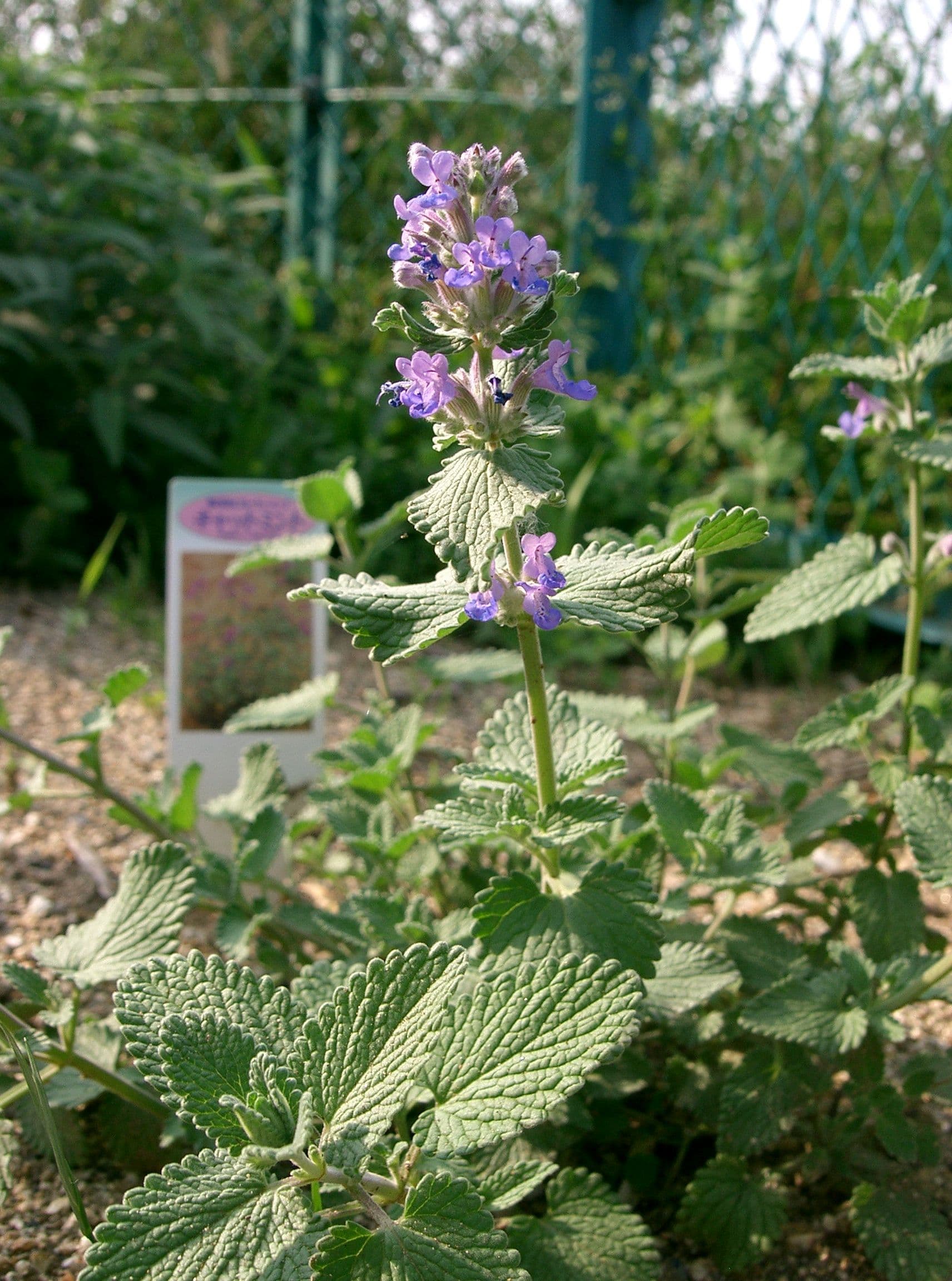
Position
full sun, partial shade
sandy soil, loam, chalky soil
moderate
Feeding
Feed in March and April.
Year-round care
Once established, 'Six Hills Giant' catmint is remarkably drought-tolerant and needs only moderate watering. In a typical year, rainfall is usually sufficient, but during prolonged dry spells in summer—especially if your soil is sandy—water deeply once a week rather than little and often. Avoid overwatering; catmint dislikes sitting in wet soil and is prone to root rot in poorly drained conditions. In autumn and winter, natural rainfall is more than adequate. Feed lightly in March or April with a general-purpose granular fertiliser such as blood, fish and bone or a balanced NPK feed, scattering a handful around the base of each plant and lightly forking it in. Catmint doesn't require rich feeding—too much nitrogen encourages lush, floppy growth at the expense of flowers. One feed in early spring is enough for the season. This perennial is fully hardy to zone 3, so overwintering in temperate Europe presents no problems. Leave the old stems in place over winter if you wish, or cut them back in late autumn; either way, new growth will emerge reliably in spring. Mulch lightly around the crown in autumn to suppress weeds, but don't smother the plant. Catmint is generally pest- and disease-free. Cats are famously attracted to the foliage and may roll in young plants, so protect new plantings with twigs or netting until they're established. Powdery mildew can occasionally appear on foliage in late summer, especially in dry conditions or crowded plantings, but it rarely causes serious harm. Good air circulation and the July cut-back help minimise this. Slugs and snails usually ignore the aromatic foliage.


